

importance of expansion gaps in ACP installation

When it comes to modern construction, Akbari glass and aluminum composite panels (ACP) are widely used to create stunning building facades.

However, one aspect that many installers and designers overlook is the importance of expansion gaps in ACP installation.

Expansion gaps are not just a technical detail; they are critical for the safety, durability, and performance of your building cladding system. Ignoring them can lead to severe problems such as warping, cracking, and even structural damage over time.

ACP panels, like all materials, expand and contract due to temperature changes. When these panels are installed without proper consideration for these movements, the rigid fixing can cause stress, leading to visible damage.

This guide will explain why expansion gaps are necessary, how they function, and best practices for their installation, especially when working with premium materials like Akbari glass in combination with ACP.


What Are Expansion Gaps?

Expansion gaps are small spaces deliberately left between ACP panels or between panels and the building structure. These gaps allow for thermal movement caused by fluctuations in temperature and environmental changes. Without these gaps, the panels are constrained, which can lead to deformation, buckling, or even cracking.

Think of it like a bridge. Bridges have expansion joints to accommodate the movement caused by heat. Similarly, ACP panels need room to “breathe.” These gaps are particularly important in regions with significant temperature variations, such as Pakistan, where summers can be extremely hot, and winters can be cooler.


Why ACP Panels Expand and Contract

ACP panels are made of two thin aluminum sheets bonded to a non-aluminum core. This composition makes them lightweight and durable, but it also makes them sensitive to temperature changes. The aluminum sheets expand faster than the core material when exposed to heat, causing tension if no gap is provided. Factors that affect expansion and contraction include:

  • Temperature fluctuations: Hot days cause expansion, cold nights cause contraction.
  • Sun exposure: Panels on the southern or western sides of a building can expand more than shaded panels.
  • Panel size and thickness: Larger panels expand more than smaller ones.
  • Material combination: When ACP panels are combined with Akbari glass, which has different thermal expansion properties, gaps are even more critical.

The Consequences of Ignoring Expansion Gaps

Failing to provide adequate expansion gaps can lead to a series of problems, both aesthetic and structural:

  1. Warping and Buckling: Panels may bulge or bend, ruining the façade’s smooth appearance.
  2. Cracking: Excessive stress may cause cracks in the ACP panels or the adhesive.
  3. Joint Damage: The sealant in tightly installed panels can fail, allowing water penetration.
  4. Reduced Lifespan: Continuous stress on the panels accelerates wear and reduces overall durability.
  5. Safety Risks: In extreme cases, panels may loosen or detach, posing a risk to pedestrians below.

By understanding these risks, installers can prioritize expansion gaps during ACP and Akbari glass integration.


Recommended Expansion Gap Sizes

The size of expansion gaps depends on the panel dimensions, climate, and installation method. As a rule of thumb:

  • Horizontal gaps: Typically 5–10 mm per panel edge.
  • Vertical gaps: 3–8 mm, depending on the building height and panel width.
  • Perimeter gaps: Around the building edges, leaving room for frame movement, usually 10 mm.

It’s important to follow manufacturer specifications, as ACP panels vary in expansion characteristics. For projects using Akbari glass, designers must also account for the glass’s smaller thermal expansion compared to aluminum.


How to Install ACP Panels with Proper Expansion Gaps

Proper installation involves careful planning and execution. Here’s a step-by-step overview:

  1. Planning the Layout: Mark all panel positions on the façade, considering panel size and expansion gap requirements.
  2. Framing: Install the sub-frame or brackets with adjustable fixing points to accommodate expansion.
  3. Panel Placement: Leave uniform gaps between panels. Ensure the gaps align consistently across the façade for aesthetic appeal.
  4. Sealant Application: Use flexible, weatherproof sealants to fill gaps without restricting movement.
  5. Inspection: Check each panel for proper spacing and alignment before final fixing.

These steps ensure ACP panels function correctly alongside Akbari glass, maintaining the building’s visual and structural integrity.


Expansion Gaps and Weatherproofing

Expansion gaps also play a vital role in weatherproofing. Properly sealed gaps prevent water infiltration while allowing thermal movement. Incorrectly managed gaps can trap water, leading to corrosion, mold, and structural damage. High-quality sealants, compatible with both ACP panels and Akbari glass, help maintain long-term protection.


Special Considerations for High-Rise Buildings

In high-rise structures, thermal expansion and wind pressure are amplified. Expansion gaps must be carefully calculated and installed:

  • Wind Load: Panels on higher floors are subjected to more pressure; gaps help absorb movement.
  • Thermal Gradient: Upper floors experience higher temperatures due to direct sun exposure.
  • Differential Movement: ACP and Akbari glass respond differently; expansion gaps accommodate this discrepancy.

These factors make expansion gaps even more critical for large or tall buildings.


Combining ACP Panels with Akbari Glass

When integrating Akbari glass with ACP panels, careful attention must be given to expansion differences:

  • ACP panels expand faster than glass: Leave larger gaps around ACP panels.
  • Use flexible sealants: Prevent stress transfer to glass.
  • Consider joint profiles: Custom joint profiles can absorb movement without compromising appearance.

This ensures a smooth façade that maintains its aesthetic appeal while being structurally safe.


Maintenance of Expansion Gaps

Expansion gaps are not a “set it and forget it” feature. Proper maintenance includes:

  1. Regular Inspection: Check for sealant cracks or gaps shrinking due to material settling.
  2. Cleaning: Remove debris from gaps to prevent obstruction of panel movement.
  3. Sealant Replacement: Over time, flexible sealants may degrade and need replacement.
  4. Monitoring Panel Alignment: Look for warping or separation that indicates a gap issue.

Routine maintenance helps ACP panels and Akbari glass remain functional and visually appealing for decades.


Common Mistakes to Avoid

Even experienced installers sometimes make mistakes with expansion gaps:

  • Leaving gaps too small: Leads to stress and panel damage.
  • Inconsistent gap widths: Aesthetic issues and improper movement.
  • Ignoring perimeter gaps: Can cause the whole façade to bulge or detach.
  • Incorrect sealant: Using rigid or incompatible sealants can negate the benefits of gaps.

Avoiding these mistakes ensures a long-lasting and attractive façade.


Benefits of Proper Expansion Gaps

Properly installed expansion gaps offer multiple benefits:

  • Longevity: Reduces material fatigue and prolongs ACP panel lifespan.
  • Aesthetic Integrity: Prevents visible warping or cracking.
  • Safety: Minimizes risk of panel detachment.
  • Weatherproofing: Maintains effective sealing against water and air infiltration.
  • Compatibility: Allows integration with materials like Akbari glass without stress issues.

These benefits show why expansion gaps are not optional—they are essential for any high-quality ACP façade.


Conclusion: Why Expansion Gaps Are Non-Negotiable

Expansion gaps are a fundamental aspect of ACP installation, especially when combined with premium materials like Akbari glass. They accommodate thermal expansion, prevent structural damage, enhance aesthetic appeal, and ensure the long-term performance of building facades. Ignoring them can lead to costly repairs, safety hazards, and a compromised visual appearance.

For designers, installers, and building owners, understanding and implementing proper expansion gaps is a small effort with significant rewards. By carefully planning, using appropriate materials, and maintaining the gaps, buildings can enjoy both beauty and durability. Expansion gaps are not just a technical necessity—they are a mark of professionalism and attention to detail in modern construction.
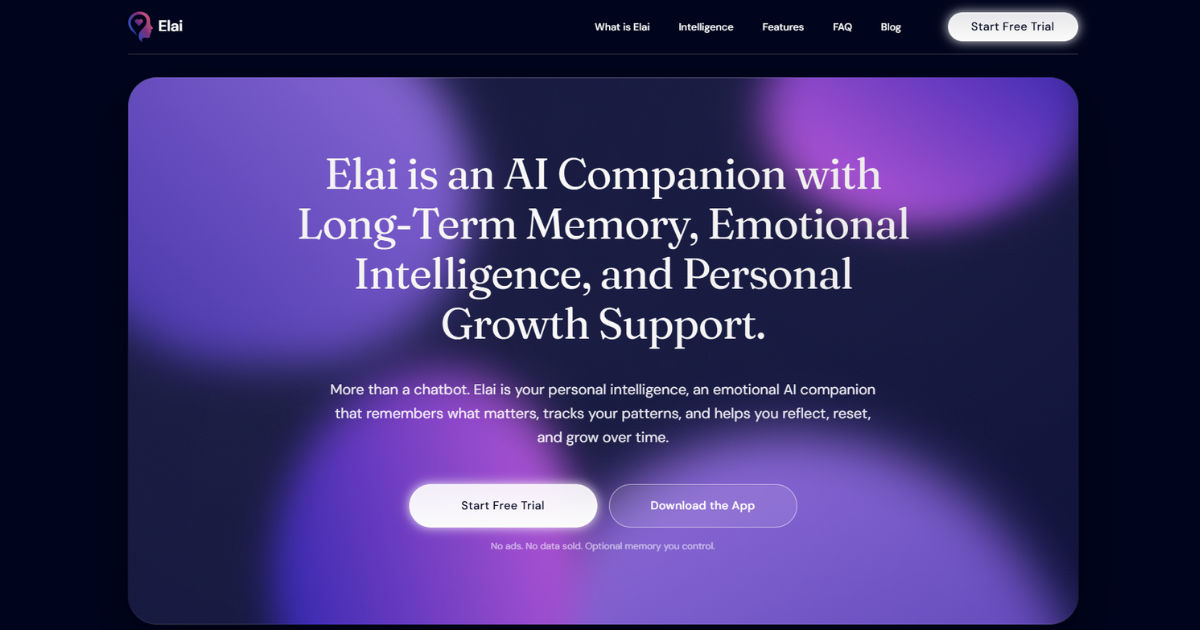
 

how emotional ai adapts to emotions?

The rise of the Emotional Ai companion has completely changed how humans interact with technology. Today, machines are no longer just tools that follow commands. Instead, they can sense human emotions, respond intelligently, and adapt their behavior based on how a person feels.

An Emotional Ai companion is designed to understand emotional signals such as happiness, sadness, anger, stress, or excitement.

It then adjusts its responses in a way that feels more natural and supportive. This ability makes emotional AI one of the most powerful developments in artificial intelligence.

In this detailed guide, we will explore how emotional AI adapts to emotions, how it works behind the scenes, and why it is becoming so important in everyday life. We will also look at real-world applications, benefits, limitations, and the future of this technology.


Understanding Emotional AI

Emotional AI, also known as affective computing, is a type of artificial intelligence that can detect, interpret, and respond to human emotions.

An Emotional Ai companion is built using advanced algorithms that analyze emotional data from different sources such as:

  • Facial expressions
  • Voice tone
  • Text input
  • Body language
  • Behavioral patterns

Unlike traditional AI systems, emotional AI does not just process words. It tries to understand how something is said or expressed.

For example:

  • A sentence like “I am fine” can mean different things depending on tone and facial expression.
  • Emotional AI tries to detect whether the person is truly fine or feeling upset.

This is what makes an Emotional Ai companion more human-like in interaction.


How Emotional AI Detects Emotions

To understand how emotional AI adapts, we must first understand how it detects emotions.

Facial Expression Analysis

One of the most common methods used by an Emotional Ai companion is facial recognition.

It analyzes:

  • Eye movement
  • Eyebrow position
  • Mouth shape
  • Micro-expressions

Even small changes in facial muscles can indicate emotions like joy, sadness, or anger.

For example:

  • A smile usually indicates happiness
  • Frowning may indicate confusion or frustration

Voice and Speech Analysis

Another powerful tool used by an Emotional Ai companion is voice analysis.

It studies:

  • Tone of voice
  • Speed of speech
  • Pitch variations
  • Pauses and hesitation

A stressed person may speak faster or with a higher pitch, while a sad person may speak slowly and softly.

This helps emotional AI understand emotional states even when the words remain the same.


Text Emotion Detection

When people type messages, emotional AI uses Natural Language Processing (NLP) to detect feelings.

An Emotional Ai companion analyzes:

  • Word choice
  • Sentence structure
  • Emoji usage
  • Context of conversation

For example:

  • “I can’t do this anymore” may indicate frustration or sadness
  • “I did it!” shows excitement or success

Behavioral Patterns

Emotional AI also learns from behavior over time.

An Emotional Ai companion tracks:

  • User habits
  • Interaction frequency
  • Response time
  • Preferred communication style

This long-term learning helps it personalize emotional responses.


How Emotional AI Adapts to Emotions

Once emotional AI detects emotions, the next step is adaptation.

Dynamic Response Adjustment

An Emotional Ai companion changes its tone and responses based on user emotions.

For example:

  • If a user is sad, it responds gently and supportively
  • If a user is happy, it responds enthusiastically
  • If a user is stressed, it offers calming suggestions

This makes interactions feel more natural and human-like.


Emotional Personalization

Over time, an Emotional Ai companion learns a user’s emotional patterns.

It remembers:

  • What makes the user happy
  • What causes stress
  • Preferred communication style

This allows the AI to respond in a more personalized way rather than using generic replies.


Context Awareness

Emotional AI does not react to emotions in isolation. It also considers context.

For example:

  • A user crying after a sad movie is different from crying due to personal loss
  • The Emotional Ai companion adjusts responses accordingly

Context awareness prevents inappropriate or robotic reactions.


Memory-Based Learning

Some advanced emotional AI systems use memory modules.

An Emotional Ai companion can:

  • Remember past conversations
  • Recall emotional states
  • Track progress over time

This helps create continuity in emotional support, making interactions feel more meaningful.


Machine Learning Behind Emotional AI

The intelligence of an Emotional Ai companion comes from machine learning models trained on massive datasets.

Supervised Learning

In supervised learning, AI is trained using labeled emotional data.

Example:

  • Image labeled as “happy” or “sad”
  • Voice labeled with emotional tone

This helps emotional AI learn basic emotion recognition.


Deep Learning

Deep learning allows an Emotional Ai companion to detect complex emotional patterns.

Neural networks analyze:

  • Multiple layers of data
  • Subtle emotional signals
  • Combined inputs (voice + face + text)

This improves accuracy significantly.


Reinforcement Learning

In reinforcement learning, emotional AI improves through feedback.

If the Emotional Ai companion responds well, it gets positive reinforcement. If not, it adjusts its behavior.

This helps the system continuously improve emotional accuracy.


Real-Life Applications of Emotional AI

Emotional AI is not just a concept. It is already used in many industries.

Healthcare

In healthcare, an Emotional Ai companion helps patients by:

  • Monitoring mental health
  • Detecting depression or anxiety
  • Providing emotional support
  • Assisting therapists

It is especially useful for patients who feel isolated.


Education

In education, emotional AI helps teachers understand students better.

An Emotional Ai companion can:

  • Detect student frustration
  • Identify confusion during learning
  • Adjust teaching methods

This improves learning outcomes.


Customer Service

Companies use emotional AI to improve customer support.

An Emotional Ai companion can:

  • Detect angry customers
  • Calm frustrated users
  • Provide faster solutions

This improves customer satisfaction.


Personal Digital Companions

One of the most popular uses is personal assistance.

An Emotional Ai companion acts like a digital friend by:

  • Talking with users
  • Providing emotional support
  • Reducing loneliness
  • Offering daily motivation

Benefits of Emotional AI

The advantages of an Emotional Ai companion are significant.

Better Human-Machine Interaction

Interactions feel more natural and less robotic.

Emotional Support

It provides comfort during stress, loneliness, or sadness.

Personalization

Every user receives unique emotional responses.

Improved Decision Making

Emotional AI can guide users based on their emotional state.


Limitations of Emotional AI

Despite its strengths, emotional AI has challenges.

Misinterpretation of Emotions

An Emotional Ai companion may sometimes misunderstand emotions.

For example:

  • A sarcastic tone may be interpreted incorrectly

Privacy Concerns

Emotional AI collects sensitive emotional data, which raises privacy issues.


Lack of True Human Understanding

Even advanced systems do not truly “feel” emotions. They simulate understanding.


Dependency Risk

Users may become overly dependent on an Emotional Ai companion for emotional support.


Ethical Considerations

Ethics play a major role in emotional AI development.

Important concerns include:

  • Data protection
  • User consent
  • Transparency in AI decisions
  • Emotional manipulation risks

Developers must ensure that an Emotional Ai companion is safe, fair, and respectful.


Future of Emotional AI

The future of emotional AI is extremely promising.

More Human-Like Interaction

Future Emotional Ai companion systems will respond more naturally and emotionally.

Advanced Emotional Intelligence

AI will understand complex emotions like guilt, empathy, and nostalgia.

Integration with Wearables

Smart devices will help emotional AI detect real-time emotional changes.

Virtual Companionship

Emotional AI may become digital companions for mental wellness and daily life support.


How Emotional AI is Changing Human Life

The impact of an Emotional Ai companion is already visible in society.

People now use AI not only for productivity but also for emotional comfort. This shift shows how technology is becoming more human-centered.

From helping students to supporting patients, emotional AI is bridging the gap between machines and human emotions.


Conclusion

The development of emotional AI represents a major step forward in artificial intelligence. An Emotional Ai companion is not just a tool but a system designed to understand, respond to, and adapt to human emotions in meaningful ways.

By combining facial recognition, voice analysis, text interpretation, and behavioral learning, emotional AI creates interactions that feel natural and supportive. It improves communication, enhances user experience, and offers emotional assistance in areas like healthcare, education, and daily life.

However, challenges such as privacy concerns, emotional misinterpretation, and ethical risks must be addressed carefully. Despite these limitations, the future of emotional AI is bright and full of potential.

As technology continues to evolve, the Emotional Ai companion will become even more intelligent, empathetic, and integrated into human life, making digital interaction more personal than ever before.

The Neuroaesthetics Of Elated Play Interfaces

The quest of joy in online gaming is often misattributed only to successful. A deeper, more nuanced analysis reveals that the most unsounded and property joy is engineered through intellectual interface neuroaesthetics the deliberate plan of digital environments to trigger specific, positive medicine and feeling responses. This view shifts focalise from financial final result to empiric ducking, contestation that the zenith of participant gratification is achieved through a smooth, cognitively rewarding fundamental interaction with the platform itself, independent of game result. Leading operators are investing millions in biometric explore and emotive computing to map the joy reply, creating spaces where esthetics, useableness, and psychological flow converge. This clause deconstructs this hi-tech subtopic, animated beyond generic wine bonus talk to search the meticulous pixels and protocols that cook up digital please.

The Dopaminergic Architecture of Digital Play

Joy in integer spaces is not accidental; it is architected. The modern font online amerikatoto casino interface is a with kid gloves graduated Dopastat saving system. Every ocular and auditive cue is engineered to provide small-rewards that suffer participation. The satisfying”ching” of coins, the vibrant cascade of a successful symbolisation animation, and the tactile-like feedback of a well-designed button weight-lift are all non-monetary reinforcements. A 2024 study by the Digital Behavior Lab ground that players unclothed to high-fidelity audiovisual aid feedback reportable a 73 higher”enjoyment seduce” even during net-loss Roger Sessions, compared to those using stripped-down, utility interfaces. This statistic essentially challenges the manufacture’s fixation with Return to Player(RTP) percentages as the sole system of measurement of value, suggesting empirical RTP Return on Pleasurable Time is evenly critical.

Case Study: Aurora Casino’s Haptic Feedback Overhaul

Aurora Casino, a mid-tier European manipulator, bald-faced adynamic participant session times despite competitive odds. Their user interface was functionally vocalize but clinically unimaginative. The intervention was a full-scale tactile and seeable feedback overhaul, codenamed”Project Lumina.” The methodology encumbered A B testing with biometric monitoring. Group A used the master copy interface. Group B used a new edition where every interaction triggered a subtle, context of use-aware reply: spinning a reel produced a appease, weighted vibe mimicking a physical lever pull; a bonus touch off unleashed a full-screen, particle-effect vivification synced with a ascension pitch surmount.

The team made use of electricity skin reply(GSR) and facial verbal expression depth psychology to measure little-joy moments. The quantified outcomes were stupefying. The Group B showed a 142 increase in average seance duration. Crucially, their deposit relative frequency rose by 28 without any transfer to incentive structures, and negative feedback on”game blondness” born by 41, indicating that the enriched experience parented a more prescribed overall sensing. Player surveys disclosed row like”captivating,””smooth,” and”fun” replaced premature descriptors like”slow” or”basic.” Aurora’s case proves joy can be a point, measurable KPI.

The Psychology of Effortless Flow

A core tenet of elated plan is the riddance of rubbing. Cognitive load the mental sweat requisite to sail is the enemy of flow. The most gleeful platforms make an concealed interface, where intention translates instantaneously to process. This requires:

  • Predictive Personalization: Algorithms that surface desirable games before the user searches, reduction decision wear down.
  • Zero-Lag Wallet Integration: One-click financial backin and withdrawal processes that abstract away fiscal transaction anxiety.
  • Contextual Help: Unobtrusive, animated tooltips that explain features within the game canvass, not in part windows.
  • Ambient Narrative: Light melodic phrase storytelling through play down art and medicine that builds a cohesive, piquant worldly concern.

Recent 2024 data from a John Roy Major platform provider indicates that for every 0.1-second simplification in user interface latency, player retention at the 30-day mark increases by 1.2. Furthermore, platforms implementing sophisticated prognostic menus saw a 35 simplification in participant churn during the”browsing” stage, direct translating foiling into convergent play. The statistics underline that joy is often the petit mal epilepsy of botheration; unseamed functionality is itself a deep pleasance source.

Case Study: VegaStack’s”Cognitive Load Audit”

VegaStack, a B2B software program supplier, detected node operators reported high registration but low first-deposit changeover. Their possibility was that the joy of uncovering was being killed by a cumbrous onboarding work on. The interference was a”Cognitive Load Audit” of the first-time user travel. Using eye-tracking and session transcription computer software, they identified”rage points”: unclear incentive toggle

Unlocking Bordeaux 2025 Smart Ways to Source the Next Great Vintage

Why Bordeaux 2025 Deserves Attention: Vintage Characteristics and Market Outlook

The Bordeaux 2025 vintage is generating buzz among collectors, sommeliers, and enthusiasts for a mix of climatic, stylistic, and market reasons. Early reports from the châteaux indicate a growing trend toward riper, more concentrated fruit profiles in many appellations, reflecting several warm, stable growing seasons that helped bring varietal expression—especially from Cabernet Sauvignon and Merlot—to the fore. Expect wines that balance opulence with structure: dense tannins on the Left Bank and fleshy, plush Merlot-led wines from the Right Bank.

Regional variation will play a big role. In Pauillac and Saint-Julien there is potential for powerful, long-lived Cabernet-dominant blends; in Saint-Émilion and Pomerol the focus may be on immediate appeal and mid-term cellaring thanks to generous Merlot. Smaller, cooler microclimates and higher-elevation parcels could produce wines with fresher acidity and finer tannins, appealing to those seeking elegance alongside power.

From a market perspective, Bordeaux remains a reference point for collectors and investors. The interplay between critical scores, limited allocations, and secondary market demand historically drives price differentials. 2025 may be attractive for those looking to diversify a cellar: strong wines with clear identity often retain value, while well-chosen château allocations offer opportunities for appreciation depending on critic reception and global demand. Attention should be paid to early tasting notes, comparative scoring, and release strategies to identify which parcels are likely to outperform peers.

How and Where to Purchase Bordeaux 2025 — Practical Buying Strategies

Buying Bordeaux 2025 requires a considered approach. The two primary purchase paths are en primeur (futures) and buying physical stock post-release. En primeur can offer access and potential value if a château’s reputation improves or if global demand increases; however, it requires trust in the merchant, patience for delivery (often two to three years), and an understanding of vintage positioning. Buying physical, whether from a reputable merchant, auction, or retailer, provides immediate possession and easier decisions about storage or consumption.

When sourcing Bordeaux 2025, prioritize provenance and transparency. Choose merchants with clear supply chains, verifiable storage records, and strong reputations. For collectors based in the Netherlands or northern Europe, consider buying from firms that provide bonded storage options in established freeports or local high-quality cellars to defer VAT and protect value. Shipping logistics are critical: confirm delivery timelines, insurance, and temperature-controlled transport to prevent spoilage during transit.

Price strategy matters. Set a budget and diversify purchases across appellations and stylistic types—some bottles are made to age three decades, others to be enjoyed within five to ten years. Monitor early en primeur coverage and comparative tasting notes to make informed decisions. For a streamlined acquisition and curated selection, many buyers elect to buy Bordeaux 2025 wines through established merchants who offer allocation guidance, after-sales support, and secure storage options.

Cellaring, Serving and Real-World Scenarios: Maximizing Value from Bordeaux 2025

Decisions made at purchase determine how Bordeaux 2025 will perform in a cellar or at the table. For long-term collectors, aim to cellar powerful Left Bank blends for 15–25 years, allowing tannins and structure to harmonize and tertiary aromatics to emerge. Right Bank Merlot-driven wines often reach a rewarding window earlier—sometimes showing beautifully at 8–15 years—though top-class examples will continue evolving beyond that. Keep humidity stable (60–70%) and temperatures cool (10–14°C) for optimal aging.

For enthusiasts seeking immediate enjoyment, select cuvées intended for earlier drinking: many producers release second wines or specific parcels that present attractively upon release. Decanting is recommended for many 2025 Bordeaux at release to integrate tannins and reveal aromatics; younger, robust bottles benefit from several hours’ decanting, while older vintages may require gentler handling. Food pairing is classic: roasted red meats, game, mushroom-based dishes, and aged cheeses match tannic structure and layered flavor profiles.

Consider three real-world scenarios: a private collector in Amsterdam might secure allocations en primeur and store bottles in bonded storage to manage cash flow and tax considerations until resale or release. A restaurateur updating a Bordeaux list could purchase a mix of youthful, crowd-pleasing 2025s for immediate service and a few age-worthy references to showcase over future seasons. An investor may choose limited, high-demand château lots with a view toward secondary market opportunities, tracking critic scores and auction performance. Each scenario benefits from professional advice on provenance, storage, and timing.

Blog

Ayamtoto Situs Slot Gacor Online dengan Kenyamanan Bermain Setiap Hari

ayamtoto daftar hadir sebagai platform slot online yang mengutamakan kenyamanan dan pengalaman bermain terbaik bagi para penggunanya setiap hari. Di tengah persaingan industri permainan digital yang semakin ketat, situs ini mampu menarik perhatian karena konsistensinya dalam menyediakan akses yang stabil, pilihan permainan yang beragam, serta sistem yang dirancang ramah bagi pemain pemula maupun berpengalaman. Dengan dukungan teknologi modern, proses login, transaksi, hingga navigasi permainan terasa cepat dan tanpa hambatan berarti.

Salah satu faktor utama yang membuat situs slot gacor diminati adalah kemudahan akses yang bisa dinikmati kapan saja. Platform ini dirancang responsif di berbagai perangkat, baik desktop maupun ponsel pintar, sehingga pemain dapat menikmati permainan favorit tanpa harus terikat pada satu perangkat tertentu. Kecepatan loading yang optimal dan tampilan antarmuka yang intuitif membantu pemain fokus pada strategi dan hiburan, bukan pada kendala teknis yang mengganggu.

Kenyamanan bermain juga didukung oleh sistem transaksi yang praktis dan aman. Proses deposit dan penarikan dana dibuat sederhana dengan berbagai metode pembayaran yang umum digunakan. Keamanan data menjadi prioritas, sehingga setiap transaksi dilindungi dengan sistem enkripsi yang memadai. Transparansi dalam proses ini membangun kepercayaan pemain untuk terus kembali dan menikmati permainan setiap hari tanpa rasa khawatir.

Dari sisi variasi permainan, platform ini menawarkan banyak pilihan slot online dari provider ternama dengan fitur dan tema yang beragam. Mulai dari slot klasik hingga slot video modern dengan grafis interaktif, semuanya tersedia untuk memenuhi preferensi pemain yang berbeda. Fitur bonus, putaran gratis, dan peluang jackpot progresif menjadi daya tarik tambahan yang meningkatkan sensasi bermain. Kombinasi antara peluang kemenangan dan pengalaman visual yang menarik menciptakan atmosfer permainan yang menyenangkan.

Pelayanan pelanggan yang responsif juga menjadi nilai tambah yang signifikan. Tim dukungan tersedia untuk membantu menyelesaikan kendala teknis maupun pertanyaan seputar akun dan permainan. Respons cepat dan solusi yang jelas membuat pemain merasa dihargai dan diperhatikan. Dalam industri slot online, kualitas layanan seperti ini berperan besar dalam menciptakan loyalitas jangka panjang.

Dengan pendekatan yang mengutamakan kenyamanan, keamanan, dan variasi permainan, platform ini berhasil membangun reputasi sebagai situs slot online yang konsisten menghadirkan pengalaman bermain menyenangkan setiap hari. Kombinasi teknologi yang andal, layanan profesional, dan pilihan permainan yang lengkap menjadikannya pilihan menarik bagi siapa pun yang mencari hiburan slot online dengan standar kualitas tinggi.