



Can Exterior Building Cleaning use soft washing?
Buildings are constantly exposed to dust, pollution, rain, moisture, and other environmental elements that gradually affect their appearance. Over time, exterior walls can develop dirt marks, algae, mildew, and stubborn stains. Choosing the right cleaning method is important because some surfaces require a gentle approach to prevent damage. One popular method that property owners and cleaning professionals consider is soft washing. 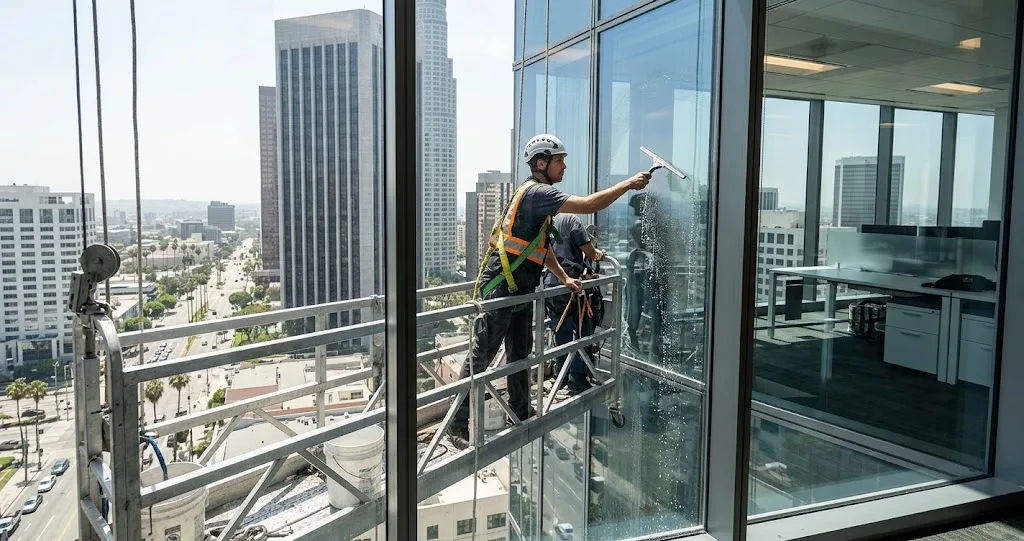 Exterior Building Cleaning can use soft washing as an effective method for removing dirt, organic growth, and surface stains without relying on excessive water pressure. Instead of using powerful pressure washers, soft washing combines low-pressure water with specially selected cleaning solutions to loosen and remove unwanted contaminants. This approach can be suitable for many delicate building materials when the correct products and techniques are used.
Understanding how soft washing works, which surfaces benefit from it, and when it should be selected can help property owners make better maintenance decisions. Whether maintaining a residential property, commercial building, or large exterior structure, selecting an appropriate cleaning method can improve appearance and support long-term surface maintenance.
What Is Soft Washing?
Soft washing is a cleaning technique that uses low-pressure water and cleaning solutions to remove dirt, organic growth, and other unwanted materials from exterior surfaces.
Unlike traditional pressure washing, which depends heavily on strong water pressure, soft washing focuses on treating contaminants with an appropriate cleaning solution. The solution helps loosen dirt and address biological growth, allowing it to be rinsed away using controlled water pressure.
This method is particularly useful for surfaces that could be damaged by aggressive cleaning.
How Soft Washing Works
The process generally involves several stages:
-
Surface inspection: The cleaning team examines the building material and identifies visible dirt, stains, algae, or mildew.
-
Preparation: Nearby plants, electrical equipment, windows, and other sensitive areas are protected.
-
Solution application: An appropriate cleaning solution is applied using low-pressure equipment.
-
Treatment period: The solution is allowed to work for the recommended period.
-
Gentle rinsing: The treated surface is rinsed using controlled water pressure.
-
Final inspection: The cleaned areas are checked to identify any remaining stains or problems.
The exact procedure depends on the building material, contamination level, and cleaning requirements.
Why Is Soft Washing Suitable for Exterior Building Cleaning?
Different Exterior Building Cleaning materials respond differently to water pressure. Some surfaces can tolerate powerful cleaning equipment, while others may experience damage when exposed to excessive pressure.
Soft washing offers an alternative for surfaces that need a gentler treatment.
1. Protects Delicate Building Materials
Certain exterior materials have sensitive finishes or porous structures. Using excessive pressure can remove paint, damage coatings, or affect the surface texture.
Soft washing reduces this risk by using controlled water pressure.
It can be appropriate for painted walls, exterior siding, decorative finishes, and other surfaces when the cleaning solution is compatible with the material.
2. Removes Organic Growth
Algae, mildew, and similar organic contaminants can develop on exterior walls, especially in areas with moisture and limited sunlight.
Simply spraying these surfaces with water may not address the underlying growth.
Soft washing uses suitable cleaning products to treat these contaminants before rinsing. This can provide a more thorough cleaning result than relying on water pressure alone.
3. Reduces the Risk of Surface Damage
High-pressure cleaning can sometimes force water into small openings, damaged seals, or vulnerable joints.
This may contribute to moisture problems inside certain building materials.
Because soft washing uses lower pressure, it can reduce the likelihood of pressure-related damage when performed correctly. However, proper water management and surface inspection are still essential.
4. Improves Exterior Appearance
Dirt, pollution, algae, and mildew can make a building look older than it actually is.
Soft washing can help restore a cleaner appearance by treating common exterior contaminants.
A well-maintained exterior can create a positive impression for visitors, customers, tenants, and potential buyers.
Which Building Surfaces Can Be Soft Washed?
Soft washing is not suitable for every surface in exactly the same way. The cleaning approach must be adjusted according to the material and its condition.
Here are some common surfaces that may benefit from this method.
Painted Exterior Walls
Painted walls can lose their appearance because of accumulated dust, pollution, and organic growth.
High pressure may damage older paint or remove sections of a weak coating.
Soft washing provides a gentler option for cleaning painted surfaces. Before treatment, professionals should check whether the paint is properly attached and whether the cleaning solution is compatible with the finish.
Vinyl Siding
Vinyl siding frequently collects dust, algae, and environmental stains.
Soft washing can help remove these contaminants without exposing the siding to unnecessary pressure.
The cleaning team should pay attention to joints, edges, and openings to prevent water from entering behind the panels.
Stucco Surfaces
Stucco is a textured exterior finish that can absorb moisture and collect dirt.
Aggressive pressure washing may damage its texture or contribute to water penetration, particularly when cracks are present.
Soft washing may be suitable for sound stucco surfaces, provided the solution and rinsing process are selected carefully.
Brick and Masonry
Brick and masonry can develop discoloration because of pollution, moisture, and biological growth.
Soft washing may help remove certain surface contaminants, but masonry requires careful treatment.
Some cleaning chemicals can affect mortar, stone finishes, or surrounding materials. Professionals should identify the type of masonry before selecting a cleaning solution.
Exterior Roof Edges and Architectural Features
Certain roof edges, decorative sections, and architectural details may also benefit from low-pressure cleaning.
However, roof materials vary considerably. A cleaning method suitable for one roofing material may not be appropriate for another.
The material manufacturer's recommendations should always guide the process.
What Is the Difference Between Soft Washing and Pressure Washing?
Soft washing and pressure washing are both used for exterior maintenance, but they work differently.
Understanding their differences makes it easier to select the appropriate method.
|
Feature |
Soft Washing |
Pressure Washing |
|---|---|---|
|
Water pressure |
Low pressure |
Higher pressure |
|
Main cleaning method |
Cleaning solutions |
Mechanical water force |
|
Organic growth |
Treats biological contaminants |
May remove surface growth |
|
Delicate surfaces |
Often more suitable |
May cause damage |
|
Water management |
Requires controlled application |
Requires careful pressure control |
|
Best applications |
Suitable exterior surfaces with organic growth |
Durable surfaces that tolerate pressure |
When Should Soft Washing Be Preferred?
Soft washing is generally worth considering when the building has delicate finishes, painted surfaces, vinyl siding, or visible organic growth.
It can also be useful when the main cleaning objective is treating algae or mildew rather than removing heavy physical debris.
When Is Pressure Washing More Appropriate?
Pressure washing may be appropriate for durable materials such as certain concrete surfaces and other hard exterior areas.
It can remove stubborn dirt and loose surface debris efficiently.
However, even durable materials can be damaged by excessive pressure or incorrect nozzle selection. The cleaning method should always match the surface.
What Cleaning Solutions Are Used in Soft Washing?
Soft washing depends on cleaning solutions that help loosen dirt and treat organic contaminants.
The correct product depends on the material being cleaned and the type of contamination.
Specialized Cleaning Detergents
Some soft-washing detergents are designed to remove general exterior dirt and environmental buildup.
They help loosen contaminants so they can be rinsed away without aggressive mechanical force.
Professionals should follow the manufacturer's instructions regarding dilution, application, and rinsing.
Solutions for Algae and Mildew
Specific cleaning products may be used to address algae and mildew.
These products should be selected according to the surface material and the type of biological growth.
Using an unsuitable chemical or excessive concentration can cause discoloration or damage.
Environmentally Responsible Products
Cleaning solutions can affect nearby plants, soil, drainage systems, and surrounding property.
Responsible contractors consider environmental conditions before applying chemicals.
They should use appropriate products, protect landscaping, and prevent uncontrolled chemical runoff.
Cleaning chemicals should never be mixed unless their manufacturers specifically confirm that doing so is safe.
How Does Weather Affect Soft Washing?
Weather conditions can influence the effectiveness and safety of soft washing.
Although the process can be performed in different seasons, certain conditions require additional attention.
Cleaning During Sunny Weather
Warm, sunny conditions may cause cleaning solutions to dry too quickly.
When this happens, the solution may not have enough time to work properly.
Professionals may adjust their application methods or choose cooler working periods to achieve better results.
Cleaning During Rainy Weather
Rain can dilute cleaning solutions and interfere with the treatment process.
It may also create slippery working conditions, particularly around elevated structures.
Contractors should consider rainfall forecasts before scheduling an exterior cleaning project.
Wind and Temperature Considerations
Strong winds can cause cleaning solutions to drift toward nearby windows, plants, vehicles, or people.
Extremely hot or cold conditions may also affect product performance.
A professional team should assess the weather and postpone work when conditions make the process unsafe or ineffective.
Is Soft Washing Safe for Buildings?
Soft washing can be a suitable cleaning method, but its safety depends on professional application.
Low water pressure does not automatically make every cleaning project risk-free.
Several factors must be considered.
Correct Chemical Selection
The cleaning solution must be compatible with the building material.
An unsuitable product can cause discoloration, damage protective coatings, or affect nearby surfaces.
Professionals should understand the product's intended use and follow its safety instructions.
Proper Water Control
Even low-pressure water can cause problems if it enters electrical openings, damaged windows, ventilation systems, or building gaps.
A careful inspection helps identify vulnerable areas before cleaning begins.
Protection of Nearby Landscaping
Plants and grass can be affected by certain cleaning products.
Before starting, the team should identify nearby landscaping and take appropriate protective measures.
Rinsing and runoff management should also be handled responsibly.
Professional Equipment
Using suitable equipment helps control water flow, chemical application, and rinsing.
Experienced professionals understand how to adjust the equipment according to the surface being treated.
Can Soft Washing Remove Tough Exterior Stains?
Soft washing is effective against many common exterior contaminants, but it cannot remove every type of stain.
Results depend on the source, age, and depth of the discoloration.
Dust and Air Pollution
Buildings located near busy roads or industrial areas often collect airborne particles.
Soft washing can help loosen accumulated dust and general environmental grime.
Some deeply embedded stains may require additional treatment.
Algae and Mildew
These contaminants are among the common reasons property owners consider soft washing.
Suitable cleaning solutions can treat biological growth and improve the appearance of affected surfaces.
However, persistent moisture problems should also be addressed to reduce the likelihood of recurring growth.
Rust and Mineral Stains
Rust and mineral deposits may require specialized cleaners.
A general soft-washing detergent may not remove these marks effectively.
Professionals should identify the stain before selecting a treatment because some products can damage sensitive materials.
Paint and Chemical Marks
Old paint, construction residue, and chemical discoloration can be difficult to remove.
Soft washing may improve some areas, but heavily bonded materials may require a different cleaning approach.
How Often Should Exterior Buildings Be Soft Washed?
There is no universal cleaning schedule for every building.
The ideal frequency depends on location, weather, surrounding vegetation, building materials, and the amount of environmental exposure.
Residential Properties
Residential buildings may need periodic exterior cleaning depending on their surroundings.
Properties near trees, roads, or humid areas may collect dirt and organic growth more quickly.
Regular visual inspections help homeowners decide when professional cleaning is necessary.
Commercial Buildings
Commercial properties often require consistent exterior maintenance because their appearance influences customer impressions.
Offices, shopping centers, restaurants, and other business premises may benefit from planned cleaning schedules.
The schedule should consider building use, public access, and the level of visible contamination.
High-Rise Buildings
High-rise structures require additional planning because access and worker safety are important considerations.
Soft washing may be suitable for certain exterior surfaces, but the cleaning method must be coordinated with approved access equipment and professional safety procedures.
Building managers should also consider weather conditions, pedestrian protection, and surrounding property.
What Should You Check Before Hiring a Soft Washing Company?
Choosing an experienced cleaning contractor is an important part of achieving good results.
Not every company has the same equipment, training, or understanding of different building materials.
Experience With Different Surfaces
Ask whether the contractor has experience cleaning the particular material used on your building.
A company familiar with vinyl siding may not necessarily have the same experience with historic masonry or decorative stone.
Cleaning Products and Procedures
A professional contractor should explain which cleaning products will be used and why they are appropriate.
They should also describe how nearby plants, windows, and sensitive areas will be protected.
Insurance and Safety Practices
Check whether the contractor maintains suitable insurance coverage and follows relevant workplace safety requirements.
This is especially important for commercial buildings and elevated exterior work.
Written Estimates
Request a written estimate that explains the expected cleaning areas, services, and any additional charges.
Comparing estimates can help property owners understand the value offered by different contractors.
Common Mistakes to Avoid During Soft Washing
Even an appropriate cleaning method can produce poor results when handled incorrectly.
Avoiding common mistakes helps protect building materials and improve cleaning quality.
Using excessive chemical concentration: Stronger chemicals do not automatically produce better results. Incorrect concentrations may damage surfaces and surrounding landscaping.
Ignoring surface damage: Cleaning cracked walls, loose paint, or damaged joints without preparation may create additional problems.
Applying the wrong cleaning solution: Different materials require different products. A solution suitable for one surface may be harmful to another.
Failing to protect nearby areas: Windows, electrical equipment, plants, vehicles, and outdoor furniture should be considered before treatment.
Rushing the cleaning process: Applying a solution and rinsing immediately may prevent it from working as intended. The manufacturer's recommended treatment time should be followed.
Ignoring maintenance needs: Cleaning does not repair damaged paint, leaking seals, or structural problems. These issues may require separate professional attention.
Benefits of Regular Exterior Building Maintenance
Soft washing can form part of a broader property maintenance program.
Keeping exterior surfaces clean offers several practical benefits.
Maintains Property Appearance
A clean exterior creates a more welcoming impression.
For businesses, this can contribute to a professional image. For homeowners, it helps maintain the overall appearance of the property.
Helps Identify Maintenance Problems
Cleaning and inspection can reveal issues that were previously hidden by dirt or organic growth.
These may include damaged paint, cracked surfaces, deteriorating seals, and areas where moisture collects.
Identifying these problems early allows property owners to arrange appropriate repairs.
Supports Long-Term Surface Care
Regular cleaning helps prevent certain contaminants from accumulating for extended periods.
Although cleaning cannot guarantee that materials will last longer, appropriate maintenance can help preserve their appearance and reduce avoidable surface deterioration.
Creates a Better Maintenance Schedule
A planned approach makes exterior care easier to manage.
Property owners can arrange inspections, cleaning, and repairs according to building conditions rather than waiting until the exterior becomes heavily stained.
Conclusion
Soft washing can be an effective option for cleaning many types of exterior building surfaces. By combining low-pressure water with suitable cleaning solutions, this method helps remove dirt, algae, mildew, and other common contaminants without relying on aggressive water pressure.
Choosing the right technique is essential because different materials have different cleaning requirements. Painted walls, vinyl siding, stucco, and certain masonry surfaces may benefit from soft washing when the correct products and procedures are used. However, heavily stained concrete and other durable materials may require alternative cleaning methods.
Professional assessment is particularly important for large commercial properties and high-rise structures. Contractors should understand surface compatibility, chemical handling, water management, environmental protection, and workplace safety.
For property owners, the best approach is to inspect exterior surfaces regularly and select cleaning methods according to their actual condition. Exterior Building Cleaning should focus on maintaining the building's appearance while protecting its materials from unnecessary damage.
Ultimately, soft washing is worth considering when a gentle but effective cleaning approach is needed. With suitable equipment, responsible chemical use, and experienced professionals, it can become a valuable part of a property's long-term maintenance plan.