

What is the Difference Between Flood light and LED Tunnel Light

The selection of appropriate lighting solutions in infrastructure or outdoor projects can only be made possible based on understanding differences in design and performance that are application-specific. Although it might seem that floodlights and LED tunnel light systems are identical to each other, they are designed to operate in completely different situations and safety standards.

Floodlights are usually designed to require installation in open areas, but tunnel lighting systems are designed to comply with rigid road safety regulations. The knowledge of the differences in optics, durability, and compliance factors will assist the project planners in making informed choices and preventing expensive specification errors.

What is the Difference Between Flood light and LED Tunnel Light? 1

Design Purpose and Application Environment

Floodlights and tunnel lighting systems have various functional objectives. Their structural engineering responds to the environment where they are operating and the safety expectations they would have to satisfy. 

General Application of Floodlights

Floodlights are mostly applied to outdoor lighting in sports fields, building facades, parking lots, and construction sites. Their main goal is to offer broad-scale illumination as opposed to exact roadway lighting.

Floodlights are designed to cover a wide beam spread and flexibility as they work in open-air settings. They are usually attached to poles or walls and moved to cover expansive areas. 

Purpose-Built Design of Tunnel Lighting

The LED tunnel light is especially designed to be used in sealed roadways where visual adjustment is crucial. In contrast to floodlights, tunnel fixtures have to deal with luminance changes in the entrance and suppress glare, and ensure even light distribution.

The lighting in the tunnels should be continuous and should comply with established safety standards. This causes the exactness of design to be much more significant than a general illumination of coverage.

Environmental Challenges and Structural Differences

Floodlights are exposed to weather conditions, including rain, wind, and sunlight. On the other hand, tunnel systems always experience vibration, wetness, dust, and the emission of vehicles in a confined area.

Due to these requirements, tunnel fixtures are commonly able to have reinforced housing and better sealing. The mechanical life conditions are normally more demanding than those of the normal flood light systems. 

Thermal Management Requirements

The issue of thermal control is of great importance in long-term lighting performance. The tunnel systems work round-the-clock, thus leading to accumulation of heat in closed systems.

Cooler heat sinks and good design of drivers are used to ensure that the output is stable and that the components used will not burn off too quickly, so the brightness remains the same, and the maintenance rate is lower than when using other designs.

Installation Locations and Mounting Methods

Floodlights are normally pole-mounted or surface-mounted and have adjustable brackets. They are also easy to install and adaptable. Tunnel lighting systems need to be embedded into structural concrete surroundings in ceilings or walls. The mounting should consider the issue of vibration, maintenance accessibility, and beam precision.

Technical Performance and Optical Differences

Both lighting types are based on the use of LED technology, but their optical system and the level of performance differ greatly. These differences directly affect visibility, energy efficiency, and long-term operational reliability.

Beam Distribution and Light Direction

The floodlights prefer wide beam angles to light up vast outdoor areas. Conversely, a tunnel light based on LED will have regulated beam optics to focus light on the road. There should not be too much spill light or glare in tunnel lighting. Controlled distribution makes the drivers have regular luminance without any discomfort in sight.

Brightness Control and Uniformity

Floodlights are generally custom-made to give maximum output in a wide area. Tunnel systems, however, need well-calculated light ratios in various tunnel areas. In tunnels, uniformity is the key that will eliminate unexpected contrast variations. This is a regulated light design that helps in driver eye adaptation and reaction time.

Energy Consumption and Operational Hours

Floodlights are normally applied on occasions like at night events or planned activities. Tunnel lighting systems are 24-hour, and energy efficiency is a long-term cost consideration. Continuous operation implies that energy savings are multiplied many times as time goes by. This renders the smart dimming system more beneficial in tunnels.

Compliance and Safety Standards

Ground Floodlights mostly meet the regular electrical and outdoor safety standards. Tunnel lighting should meet roadway luminance standards and transportation authority standards.

A competent LED tunnel light company is knowledgeable of these regulatory structures and creates products in line with these structures. Compliance guarantees the ease of project approval and quality operation.

Photometric Planning and Simulation

Installation of professional tunnel lighting projects involves detailed photometric analysis before installation. Simulation reports confirm compliance with luminance ratios, glare limitation as well as uniformity.

Proper planning will guarantee that the performance of lighting can be up to the roadway safety requirements but prevent over-illumination, needless energy usage or require expensive post-installation adjustments.

Cost, Maintenance, and Supplier Considerations

The total cost of the lifecycle needs to be evaluated during budget planning, not just the initial price. The decision of what lighting system to use should be based on maintenance requirements in the long term and the reliability of suppliers.

Purpose-Built Design of Tunnel Lighting

0

Floodlights can be less expensive in initial costs since they are less engineered. Tunnel systems can be more expensive to install because of complex optics and enhanced construction. Nevertheless, lifecycle cost analysis tends to support tunnel-specific systems in roadway projects. Lower maintenance rate and energy usage add up to savings in the long run.

Purpose-Built Design of Tunnel Lighting

1

Floodlights can be easily replaced and obtained. There is often a possibility of maintenance being done without significant disruption to the flow of traffic. The lighting maintenance in tunnels needs traffic control and measures. As such, durability and long life are more important in the use of tunnels. Common maintenance considerations include:

  • Fixture lifespan and lumen depreciation
  • Ease of component replacement
  • Access complexity and labor costs

Selecting durable fixtures reduces downtime and operational risk.

Purpose-Built Design of Tunnel Lighting

2

Basic timers or motion sensors can be incorporated into floodlights. Tunnel systems are frequently equipped with a complex adaptive dimming composed of daylight levels and traffic.

  • Daylight-responsive control: Adjusts brightness at tunnel entrances depending on external light intensity.
  • Traffic-based dimming: Reduces output during low-traffic periods.
  • Centralized monitoring: Allows remote diagnostics and performance tracking.

These intelligent features significantly improve energy management in roadway systems.

Purpose-Built Design of Tunnel Lighting

3

Project planners must evaluate technical know led highbay light manufacturer ge and documentation when choosing a supplier. The LED tunnel light manufacturer must have a good reputation, offer photometric reports, compliance certifications, and warranty disclosure.

Prior experience in transport infrastructure work is particularly important. Good technical support can guarantee performance and compliance with regulations.

FAQ

Can floodlights be used inside tunnels?

Although it might be achievable, floodlights are not engineered to meet serious tunnel luminance and glare standards, and so should not be used in controlled roadway projects. 

Are tunnel lighting systems more energy efficient?

Yes, and this is due to tunnel systems being able to provide superior long-term energy operation in continuous operations in high-efficiency optics and adaptive controls. 

Why is glare control more important in tunnels?

The luminance in areas that require transitioning of drivers into the dark parts of the day should be carefully controlled to sustain visibility and reaction time.

How do I choose a reliable LED tunnel light manufacturer?

Look for proven project experience, regulatory certifications, and comprehensive technical documentation.

Final Words

There is a difference between floodlights and LED tunnel light systems that is explained here in detail to help decision-makers select the most appropriate to use in each project setting. Although both offer efficient light, tunnel lighting needs more accuracy, a higher level of compliance with regulations, and a higher level of durability so that it can be trustworthy and work in harsh road conditions.

To the infrastructure planners and contractors, the choice of the correct solution does not depend on the brightness but on the safety, efficiency, and long-term operations of the solution. Collaborating with a good LED tunnel light manufacturer will assist in making sure that projects meet the necessary standards and provide a stable and reliable light source and minimal maintenance expenses throughout the installation period.
What Causes Hydraulic Valve Clogging And How To Keep It

Hydraulic valve impeding is a shop make out that may slow down or prevent the proper performance of your mechanics system of rules. When valves become encumbered, the flow is not able to take place, and the leave is slow reactions, forc difficulties, or even a add u partitioning of the system of rules.

The wonder most people ask is why mechanics valves become clogged. What will prevent valve blockages? The reason out behind this, in most cases, is unplanned. The leadership reasons are dirt, metal fragments, old or dirty oil, and nonstarter to maintain. If impeding is not repaired right away, it will damage the valves and other components attached to them.

Being witting of what contributes to valve obstructive and how to avoid it can help you to save time, money, and keep your system out of bother.

When Hydraulic Valve Clogging Happens?

Hydraulic valve obstructive happens when dirt or other particles block the changeable flow inside the valve. These blockages stop the valve from dominant the unstable and squeeze properly. Even tiny bits can make the valve work less accurately.

If left ungoverned, clogged valves can cause the system to act unstably, overheat, and lose control. Catching the problem early on can save you money on repairs and keep larger damage.

Why Do Hydraulic Valves Get Clogged?

There are a few green reasons that can clog the hydraulic valve. Mostly, these reasons are correlate to the unstable and how well the system is taken care of.

Is Dirty Hydraulic Fluid the Main Cause?

Yes, begrime unstable is the biggest cause of valve preventive. Dirt, metal bits, and muck move with the unstable and get stuck in the small valve openings. This blocks the valve and makes it less right.

Water in the fluid can cause rust and corrosion, which adds more buildup. This makes the valve parts rub more and can cause the valves to stick or stop workings.

Can Bad Filters Cause Valve Blockages?

Absolutely If filters are soil, too moderate, or old, they can’t dirt decent. When filters don t work well, dirt reaches the valve parts and causes blockages over time.

Does Old or Broken-Down Oil Cause Clogging?

Yes, mechanics oil breaks down from heat, air, and age. When this happens, it turns into wet deposits named seal. These deposits establish up on valves and inside their passages. This helps in making them slow or uneven.

Can Normal Wear Cause Valve Dirt?

Yes, as pumps, cylinders, and motors wear out, they create tiny metallic element particles. Without good filters, these particles flow through the system of rules and subside inside valves. Over time, this metallic element dust adds to preventative and makes valves less trustworthy.

Common Signs Your Hydraulic Valve Might Be Clogged

There are several warning signs that usually show up before the valve Michigan working altogether. Spotting these early can save you time and money by preventing larger problems.

Slow or Delayed Response

When a valve is encumbered, changeful can’t flow freely, so the system reacts slowly. You might notice the simple machine moves sluggishly when start up or under heavy work. This delay usually gets worse as more dirt builds up. Over time, this can turn down your machine’s public presentation and reliableness.

Jerky or Unsteady Operation

Blocked valves can cause scratchy hale, making the simple machine move in a jerky or unpredictable way. This makes it harder to verify the swimmingly and puts supernumerary try on parts. If this keeps happening, it can damage other components too.

Higher Pressure and Heat

When fluid flow is obstructed, the system has to work harder, which raises coerce and temperature. This supernumerary heat can wear out the changeable quicker and cause parts to wear down Oklahoman. If ignored, it can lead to large and even safety shutdowns.

Valves Sticking or Not Shifting

In serious cases, valves might get stuck in one put across or fail to move decent. This Newmarket the unstable from flow the right way and can make for the whole system to a halt. If controls don’t respond as they should, it is a sign you need to the valves right away to keep off a full partitioning.
By observance for these signs and playing quickly, you can keep your hydraulic system track smoothly and avoid dearly-won repairs.

How to Prevent Hydraulic Valve Clogging?

The key is to take good care of your unstable, filters, and do regular checks. Small sustenance steps now can save you from big, dearly-won problems later. A clean and well-checked system of rules also helps valves work better and last thirster.

Besides that, you can keep your hydraulic valves strip and workings well for a long time by following these simpleton steps.

Why Is Clean Hydraulic Fluid So Important?

Clean changeful is the most prodigious matter for holding valves working well. Using strip oil stops dirt from building up and protects the inside parts. Testing your fluid regularly helps catch dirt early and prevents serious damage.

Clean oil also helps the changeable flow swimmingly and reduces rubbing interior the valve. So, valves move easily and respond properly.

Should You Check and Change Filters Often?

Yes Filters need to be curbed and changed supported on how hard your system works. If your system of rules runs under high coerce or soil conditions, you might need to transfer filters more often. Using the right trickle catches tiny dirt before it reaches the valves.

If filters get clogged or worn out, dirt can slip past and clog the valves. Regular trickle checks keep the changeable flow swimmingly and keep hale steady.

Can Bad Filters Cause Valve Blockages?

0

Definitely. Bad storage lets dirt and wet get into your hydraulic oil. Always keep changeful in sealed containers and use strip tools when pick or transferring it. Using clean funnels, pumps, and hoses helps stop dirt from getting in during refills.

Keeping your entrepot area clean also helps keep the changeful pure.

Can Bad Filters Cause Valve Blockages?

1

Yes, too much heat breaks down oil faster and causes sticky deposits to form. Keeping the system of rules cool slows down oil wear and Michigan buildup interior valves. Clean coolers and good airflow help keep the temperature steady. Stable temperatures protect valve parts and keep them animated smoothly, reduction the of sticking or blockages over time.

When Should You Check Hydraulic Valves for Clogging?

Regular checks help find problems before they get worsened.

You should inspect valves during regular sustainment, when you transfer the changeable, or if you mark the system of rules is not workings well. Checking early on Michigan small blockages from turn into big and dearly-won repairs.

If your system of rules works in moth-eaten places or under heavy use, you may need to check valves more often.

What Happens If You Ignore Valve Clogging?

If you don’t deal with valve obstructive, your system will execute worsened, and repairs will cost more. Clogged valves put extra try on pumps, hoses, and other parts. Eventually, valves can fail, stopping your system and creating safety dangers. Fixing problems early is always cheaper and safer than waiting for Major breakdowns.

Keep Hydraulic Valve Unclogged with Proper Care

gear pump valve clogging happens often, but you can mostly keep off it. Most blockages come from soil unstable, bad filters, and not keeping up with sustenance. Taking good care of your hydraulic valves keeps them running swimmingly and helps your system of rules last longer.

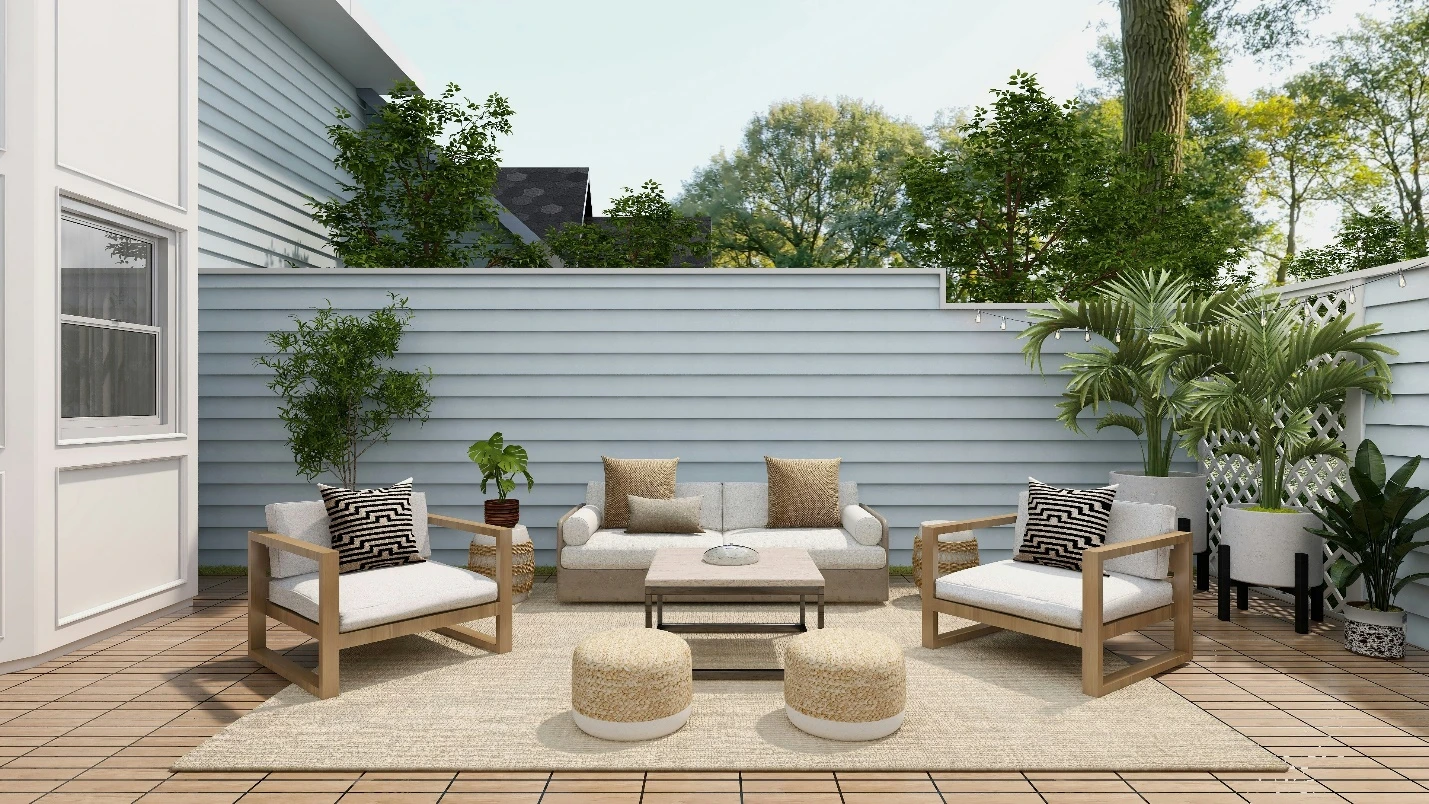
How to Select Outdoor Furniture for Small Balconies and Patios

Small balconies and patios are gaining popularity, particularly in urban apartments and homes. Even with limited space, the right outdoor furniture can turn these areas into cozy, useful spots to relax. The trick is to select furniture that fits well, serves multiple purposes, and complements the style of your space dining room furniture manufacturer.

If you are a retailer, developer, or hospitality buyer, working with a trusted outdoor furniture maker helps you find space-saving pieces that look good and last long. In this guide, we will show you how to choose furniture for small outdoor spaces without making them feel crowded or uncomfortable.

How to Select Outdoor Furniture for Small Balconies and Patios? 1


Measure Your Space Before Buying

The first step is to know exactly how much room you have. Small balconies and patios need careful thought. Planning this way helps you avoid crowding and makes your outdoor area more enjoyable to use.


Take Accurate Measurements

Measure the length, width, and how much walking space you have. Don’t forget to include doors, railings, or things like air conditioners that can take up room. Make sure there is enough space to move around comfortably. Good outdoor furniture makers often share detailed size info on their products. It helps you to pick pieces that fit your space just right.


Make a Simple Plan

Draw a basic map of your balcony or patio. Decide where you want to put chairs, tables, and decorations. Pushing furniture against walls or into corners can save a lot of room in small spaces.


Pick Compact and Lightweight Furniture for Small Spaces

When your balcony or patio is small, big and bulky furniture can make it feel crowded. Choosing pieces that are the right size and easy to move can really help.


Foldable and Stackable Furniture

Foldable chairs and tables are perfect for small balconies because you can tuck them away when you are not using them. Stackable chairs save space too and give you more options for arranging your area. Trusted outdoor furniture manufacturer often have special collections made just for small city homes with space-saving designs.


Slim and Simple Designs

Furniture with thin legs and clean, simple shapes makes the space feel more open. Try to avoid thick arms or big cushions that take up too much room. Lightweight materials like aluminum or synthetic rattan make it easy to move furniture around whenever you want.


Choose Furniture That Does More Than One Job

It is smart to pick pieces that serve more than one purpose in small patios. Working with a trusted outdoor furniture manufacturer enables you to find flexible designs that perfectly fit your lifestyle and space.


  • Storage Benches: A bench with built-in storage provides a place to sit while also concealing cushions or small tools. So, you don’t need extra cabinets.
  • Compact Dining Sets: Small bistro tables with two chairs are great for eating outside without crowding your balcony.

Choose Materials That Handle Outdoor Weather Well

Even small balconies or covered patios face weather changes. So, it is important to pick furniture made from materials that can handle sun, rain, and moisture.


Weather-Resistant Materials

Look for furniture made from materials like powder-coated aluminum, treated wood, synthetic rattan, or special outdoor fabrics. These materials resist damage from water and sunlight. These are helping your furniture to last longer. Trusted outdoor furniture makers test their materials to make sure they hold up well in outdoor conditions.


Easy-to-Clean Surfaces

Outdoor furniture often sits close to walls or windows in small spaces. So, choosing pieces that are easy to wipe down saves you time and effort. Removable cushion covers are also a big help for quick cleaning.


  • Durable finishes on furniture protect it from wear and keep it looking nice for years.
  • Make Your Small Outdoor Space Comfortable Without Crowding It
  • Even with limited space, you can create a cozy outdoor spot by arranging things smartly.

Use Cushions That Don't Take Up Too Much Space

Pick thinner cushions that still feel comfortable but don’t add bulk. Choosing neutral colors can also make your space feel bigger and more open. Try wall shelves or hanging plants instead of filling the floor with lots of items. This keeps the floor clear and makes the area feel less crowded.


Many experienced outdoor furniture makers offer modular pieces that can be arranged in different ways to fit small spaces perfectly.


Consider the Storage of Your Furniture When Not in Use

If you live where the weather changes a lot, storing your furniture during harsh seasons will help it last longer. Planning how to store your furniture ahead of time keeps it looking good and working well for years.


  • Foldable chairs and tables are great because you can easily take them inside when the weather gets bad.
  • Weatherproof covers keep your furniture safe from dust, rain, and sun. You can often buy matching covers directly from the furniture maker.

Safety and Stability Tips for Small Balconies

Small balconies can face wind and uneven floors. So, it is important to choose outdoor furniture that stays steady and safe. You also need to look out for weather updates to take the precautions accordingly.


Stable and Balanced Furniture

Look for pieces with strong, steady legs and good weight balance. Even lightweight furniture should stay put when there is a bit of wind.


Non-Slip Features

Furniture with rubber feet or anti-slip pads helps protect your floor and stops the furniture from sliding around. These little details make your space safer and more comfortable. Trusted outdoor furniture makers make sure their products are strong and stable before they sell them.


Easy Tips to Style Small Outdoor Spaces

Even if your balcony or patio is small, you can make it feel welcoming with some simple design ideas. These easy ideas help you make your small outdoor area both stylish and practical.


  • Choose Light Colors: Light colors like beige, gray, or soft wood tones help make the space feel bigger and brighter. Dark furniture can make small areas feel cramped.
  • Use Foldable or Modular Seating: Furniture that folds or can be moved around easily lets you change your setup quickly. This is great for everyday use and when you have guests over.
  • Pick One Focal Point: Add something simple like a small coffee table, a plant, or a decorative lantern to catch the eye without making the space feel crowded.

FAQs

What kind of outdoor furniture works best for small balconies?

Foldable chairs, small bistro tables with chairs, and benches with storage are great choices because they save space and can be used in different ways.

Which materials last the longest outside?

Powder-coated aluminum, treated wood, and synthetic rattan are popular because they stand up well to rain, sun, and other weather.

How can I make a small patio feel bigger?

Pick outdoor furniture in light colors, keep things simple, and avoid big, bulky pieces. Adding decorations that go up on walls or hang can also make the space feel more open.

Conclusion

Choosing outdoor furniture for small balconies or patios takes a bit of planning. Measuring your space carefully, picking compact and multi-use pieces, and choosing strong and weather-friendly materials are important. These all help to create a cozy and attractive outdoor spot. Even a tiny balcony can become a useful and welcoming part of your home with the right choices.

Ravisher Subjective Care Tips For Every Skin Type

Every someone’s skin is unique, which substance there is no I mantrap subprogram that works absolutely for everyone. Understanding your skin type can help you pick out appropriate products and create a function that supports strip, comfortable, and sound-looking skin. Whether your skin is oily, dry, , formula, or sensitive, a few realistic habits can make subjective care easier.

Understanding Different Skin Types

Skin is usually categorised into several types. Dry skin may feel tight or rough out, while oily skin may produce more strong reflect. Combination skin often includes both oily and dry areas.

Normal skin is generally equal, while medium skin may react more easily to certain products or state of affairs conditions.

Knowing your skin type provides a useful start aim, but think of that skin can change with weather, age, lifestyle, and other factors.

Tips for Dry Skin

Dry skin often benefits from lenify cleanup and regular moisturization. Avoid unnecessarily unpleasant cleansers that leave the designer sunglasses sale​ touch sensation tight after washing.

A moisturizer with a wide, alimentary texture may help maintain the skin’s wet barrier. Applying moisturizer after cleanup can be a realistic part of a routine.

Cold weather and dry indoor air may make skin feel even drier, so set your function when state of affairs conditions change.

Tips for Oily Skin

Oily skin can produce more cancel oil, particularly in certain areas of the face. This does not mean that moisturizing should be all avoided.

Choose a assuage cleanser and a moisturizer that feels comfortable for your skin. Avoid excessive wash because repeatedly baring the skin can result it tactile sensation painful.

If you have persistent breakouts or other concerns, consider professional advice rather than relying entirely on fast-growing products.

Tips for Combination Skin

Combination skin can be thought-provoking because different areas may have different needs. The os frontale, nose, and chin may feel oilier, while the cheeks can feel relatively dry.

A equal function can help. Use a gruntl cleansing agent and pick out a moisturizer that provides comfortable hydration without touch sensation excessively heavily.

You may need to correct product amounts across different areas rather than applying superposable quantities everywhere.

Tips for Normal Skin

People with relatively equal skin may still benefit from a uniform routine. Basic cleaning, moisturizing, and sun tribute can help wield comfortable-looking skin.

Avoid ever-changing products unnecessarily when your current function works well. The goal is sustenance rather than perpetually intelligent for new treatments.

Tips for Sensitive Skin

Sensitive skin may react more well to certain products. Introduce new products with kid gloves and avoid adding several foreign products at once.

Look for products that are appropriate for sensitive skin and watch their book of instructions carefully. If a product causes significant pique, give up use.

Persistent red, discomfort, or other concerns should be discussed with a competent skin doctor or healthcare professional person.

Cleanse Gently

Regardless of skin type, lenify cleanup is an important habit. Cleansing helps remove sudate, dirt, nimiety oil, and other impurities.

Avoid strong-growing scouring and to a fault hot water. A mollify set about can help keep the procedure wide.

Moisturize According to Your Needs

Every skin type can have different moisturizing requirements. Dry skin may prefer richer textures, while oily skin may feel more comfortable with jackanapes formulas.

Apply products according to their instructions and set the come supported on how your skin feels.

Protect Your Skin From the Sun

Sun tribute is an world-shattering part of skin care for all skin types. Ultraviolet can put up to early skin ripening and other concerns.

A comprehensive-spectrum sunblock can help protect unclothed skin when used according to its operating instructions. Additional protection, such as shadow and right vesture, can also be useful.

Avoid Over-Exfoliation

Exfoliation can be useful for some skin care routines, but undue scurf may cause temper. Avoid assumptive that stronger or more shop scurf will mechanically make better results.

Choose an approach appropriate for your skin and watch over product instruction manual with kid gloves.

Tips for Dry Skin

0

Makeup brushes, sponges, seventh cranial nerve tools, and other recyclable accessories should be clean regularly. Product rest and oils can establish up over time.

Keeping these tools clean is a simpleton way to subscribe good subjective hygiene.

Tips for Dry Skin

1

Weather can affect how your skin feels. Hot and humid conditions may increase diaphoresis and oiliness, while cold or dry weather can put up to waterlessness.

Adjust your skin care routine as needed rather than following the exact same subprogram throughout the year.

Tips for Dry Skin

2

Social media can provide useful inspiration, but not every lulu slew is suitable for every somebody. Viral hacks may lack TRUE bear witness or may be unbefitting for certain skin types.

Use responsible entropy when selecting products and seek professional person guidance for persistent skin concerns.

Tips for Dry Skin

3

Beauty and subjective care should be personal according to your skin’s needs. Dry, oily, , formula, and sensitive skin can all profit from serious-minded routines based on appease cleaning, right moisturization, and sun tribute.

The key is to understand your skin, keep off unessential experimentation, and stay on consistent. A simpleton subroutine that fits your someone needs can be more useful than following every new looker slew.

How I Planned a 7-Day Bali Stay With a Villa, Private Dinner, Photography and Practical Local Services

When I planned my Bali stay, I did not separate everything into different services at first. I was simply trying to make 7 days work comfortably for around 8–10 people, with 1 villa, several meals together, one larger dinner, a clean place to come back to and enough time for proper photographs without turning the holiday into a full production.

Once I started putting numbers beside each part of the trip, the planning became much easier. A 4-bedroom villa, around 10 guests, 1 dinner for 12 people and a 60–90 minute photography session gave me a much clearer picture of what I actually needed.

Preparing the Villa Before Everyone ArrivedThe villa became the centre of the week. With around 4 bedrooms, several bathrooms and 8–10 people moving in and out every day, I wanted the property prepared properly before the first arrival.

I checked https://bali.cleaning while working out what I would want cleaned beyond normal daily housekeeping. My priority would be bathrooms, kitchen areas, floors, mattresses, sofas, bedrooms and any room that had been closed for several weeks.

For budgeting, I would personally keep roughly Rp1,000,000–Rp3,500,000 available for a more complete villa cleaning depending on whether the property has 1, 2, 4 or 5 bedrooms, how many bathrooms need attention and whether sofa, mattress or deeper cleaning is required.

A 2-bedroom villa occupied by 4 people obviously has different requirements from a 5-bedroom property with 10–12 guests. For a 7-night trip, I would rather organise 1 more complete clean before arrival and another 1–2 smaller cleaning visits during the week than leave everything until the last day.

Food Became More Important Once We Reached 10–12 PeopleFood was the next part I needed to organise. For 4 people, deciding where to eat is easy. At 6–8 people it still feels manageable. Once the group reaches around 10, 12, 15 or even 20 people, one dinner can involve several cars, different arrival times and a much larger restaurant table.

That was when I started looking through https://bali.catering as one option for keeping everyone at the villa for at least 1 evening.

For my own budget, I would roughly allow Rp250,000–Rp700,000 per person depending on whether I wanted a simple meal, BBQ, buffet or a more complete private dining setup. For 10 guests that gives me a rough range of Rp2,500,000–Rp7,000,000. For 12 guests, I would think around Rp3,000,000–Rp8,400,000 before deciding how much service we actually needed.

I would not cater every meal during a 7-day stay. Some days I would still prefer to go out, especially if we were already driving toward another part of Bali.

I also kept http://appetitobali.com/ in my notes for restaurant days. For me, having 2 different approaches worked better: perhaps 1 private dinner at the villa, 3–4 casual meals outside and the rest kept flexible depending on where we were that day.

I Only Wanted Around 60–90 Minutes for PhotographyI definitely wanted proper photographs from the trip, but I did not want to spend 4 or 5 hours moving between locations.

I looked through https://bali.photos while deciding what kind of Bali photographer session would make sense for us.

For 2 people, I think around 45–60 minutes is enough for a relaxed couple photoshoot. For a family of 6, I would probably allow around 60–90 minutes. With 8–10 family members, 90–120 minutes feels more practical because there are more combinations to photograph.

With more people, the time is not only for one group photograph. I would also want grandparents with grandchildren, parents with children, siblings, couples and several smaller family combinations.

My personal budget would be roughly Rp2,000,000–Rp5,000,000 for a good 1-hour private photography session, depending on the photographer, location, number of edited images and travel involved. A longer 3–5 hour pre wedding session would naturally sit in a very different price range.

I would also rather choose somewhere within roughly 5–15 km of the villa than spend another 2 hours in traffic. Seminyak, Canggu, Jimbaran, Sanur, Uluwatu and Ubud already offer very different backgrounds, so I do not feel every Bali photoshoot needs 3 separate destinations.

The Work Notes Somehow Ended Up Beside My Holiday NotesBecause I also work around websites and marketing, I found myself paying attention to how local Bali businesses presented themselves online while I was planning the trip.

I saved https://kalman.id/contact/ separately for anything related to website work, SEO, advertising or digital marketing. It was not really part of the holiday plan, but it ended up in the same browser folder as restaurant addresses, photography notes and villa information.

My 7-Day Bali Plan Became Much Simpler Once I Used Real NumbersBy the end, the week looked fairly straightforward. Around 8–10 people staying in 1 villa. Approximately Rp1,000,000–Rp3,500,000 kept aside for deeper cleaning or property preparation. One dinner for around 10–12 guests with a working budget of roughly Rp3,000,000–Rp8,000,000. A 60–90 minute photography session at around Rp2,000,000–Rp5,000,000. Several restaurant meals on the days we were already outside.

I found this easier than trying to turn everything into one large package. Cleaning, food, photography and business-related work are completely different needs. I simply wanted each one to fit into the same 7-day schedule without spending too much time travelling or organising.

Frequently Asked Questions About My Bali Planning
How much extra budget would I prepare for a 7-day Bali villa stay?I would separate the budget rather than use one large figure. For a group of around 8–10 people, I might keep approximately Rp1,000,000–Rp3,500,000 for deeper villa preparation, Rp3,000,000–Rp8,000,000 for one catered dinner for around 10–12 people, and roughly Rp2,000,000–Rp5,000,000 for a private 60-minute photography session. Accommodation, restaurant meals, transport and personal spending would remain separate.

Does private villa catering still make sense for only 8–12 people? For me, yes. At around 8 people it becomes a choice between convenience and restaurant dining. Once the group reaches 10–15 people, keeping everyone at one villa can become noticeably easier than coordinating several vehicles, tables and arrival times. A practical planning range could be roughly Rp250,000–Rp700,000 per person depending on the food and level of service.

Is 60 minutes enough for family photography in Bali? For around 2–6 people, 60 minutes can be enough when everyone stays in one location. For 8–15 people, I would consider 90–120 minutes because I would want the full group photographed as well as parents, children, couples, grandparents and smaller combinations. I would personally spend more on the right photographer and a convenient location rather than adding several distant locations just to make the session longer.