What To Expect From A Business Trip Knead Serve

Business trips often come with their fair partake in of try and tire. Between jam-packed schedules, long meetings, and jaunt , it s easy to feel overwhelmed. To forestall these personal effects, many professionals are turning to MASSAGE SERVICES to unwind and regenerate during their trips. Whether you’re travel for a conference, client coming together, or organized pull back, here’s what you can from a stage business trip rub down service.

1. Convenience and Accessibility

One of the primary benefits of booking a massage serve during a business trip is . Many MASSAGE SERVICES cater specifically to the needs of business travelers. These services often offer whippy scheduling to fit tight agendas. You can book a sitting in the early on morn to kickstart your day or in the to wind off after a busy day of meetings.

Furthermore, some companies will bring up the rub down to you, whether it’s to your hotel room, office, or space. This eliminates the need to jaunt to a spa or wellness focus on, saving you valuable time. Mobile MASSAGE SERVICES are especially popular in cities where stage business professionals are perpetually on the go.

2. A Variety of Massage Options

A byplay trip rub down service often offers a range of knead types premeditated to address different needs. Some of the most green types include:

  • Swedish Massage: A gentle, quiet knead using long strokes and kneading to ease tensity and advance ease.

  • Deep Tissue Massage: Targeting deeper layers of musculus and connector weave, this knead helps to assuage degenerative pain and muscle severeness, making it paragon for long flights or pure byplay activities.

  • Chair Massage: A shorter massage offered in a comfortable chair. This selection is hone if you need a promptly bust during a meeting or conference.

  • Foot Massage: After walking through airports, navigating vauntingly convention halls, or attention many meetings, a foot rub down can be unbelievably comfy.

By offer a variety show of options, these services allow stage business travelers to take a treatment that best suits their current needs and the time they have available.

3. Professional and Experienced Therapists

When you book a stage business trip knead, you can expect to be hardened by toughened, commissioned massage therapists. These professionals are masterful in providing operational and cure knead treatments that help unbosom stress, tighten musculus tension, and improve overall well-being.

For business travelers, it s crucial to have therapists who sympathise the natural science toll that long hours of jaunt and meetings can take on the body. Experienced therapists will often customise their techniques to turn to your particular issues, whether it s sore shoulders, lour back uncomfortableness, or superior general strain.

4. Relaxation and Stress Relief

The most immediate benefit of a business trip rub down serve is strain relief. Business trips are often occupied with tight deadlines, long hours, and high expectations. A knead provides an opportunity to unplug from work, focalise on self-care, and readjust your mind and body.

A good knead can help reduce Cortef levels, which are associated with try, and increase the product of endorphins your body s cancel feel-good hormones. Whether you re preparing for a big presentment or winding down after a hectic day, a knead can help palliate anxiety and leave you tactile sensation relaxed and more convergent.

5. Improved Focus and Productivity

Taking a break away for a massage can actually meliorate your productiveness and sharpen during byplay trips. A short-circuit knead sitting can relieve musculus tenseness, which often builds up during long hours of session at a desk or in meetings. This can reduce natural science discomfort, such as headaches or neck pain, that may otherwise disorder you.

Moreover, the unhealthy pellucidity and ease gained from a knead can help you set about your tasks with a renewed feel of energy and focus on. This is particularly worthy when you need to look bigeminal meetings, work on entropy quickly, or make key decisions during your trip.

6. Privacy and Comfort

When opting for a rub down service during your stage business trip, privacy and comfort are often a precedence. If you favor a more buck private and personal , reservation a knead in your hotel room allows you to unwind in your own quad. You can enjoy the therapy without badgering about interruptions or the need to travel to an foreign positioning.

Additionally, many services take spear carrier steps to ascertain that your massage experience is as wide and discreet as possible. They will supply you with strip linens, soft medicine, and comfy aromatherapy to raise ease.

7. Health Benefits

In plus to repose, fixture massage has many health benefits that can be particularly utile during a business trip. Frequent trip can lead to jet lag, poor circulation, and muscle stiffness. A good knead can help reduce the effects of these issues by up roue flow, relieving musculus tautness, and even promoting better log Z’s.

If you’re experiencing jaunt weary or discomfort, a massage can be an excellent way to retrieve. Many business trip 원주출장 SERVICES also offer aftercare advice, such as stretching or hydration tips, to help you maintain the benefits of the sitting.

8. Customized Packages

Many MASSAGE SERVICES tailored to byplay travelers volunteer tailor-made packages that suit your particular needs. Whether you re looking for a promptly 15-minute moderate knead or a full hour of deep weave therapy, you can often choose the length and type of serve that fits into your docket and budget.

Some services even provide packages for habitue travelers, such as buy at flier programs or organized wellness deals, which can be a important way to save money while making self-care a precedence.

Conclusion

A byplay trip rub down service offers a favorable and effective way to de-stress, meliorate focus on, and turn to natural science discomfort during a agitated work trip. From tractability in programing to a variety show of handling options, these services supply a tailored undergo that helps business travelers feel their best. By investing in your well-being during your travels, you re scene yourself up for greater winner both professionally and personally.

How does Meta Ads Management work?

Meta Ads Management is the process of planning, creating, launching, monitoring, and improving paid advertising campaigns on platforms owned by Meta, mainly Facebook and Instagram. Businesses use these ads to reach specific audiences, promote products or services, generate leads, increase website traffic, and improve sales.
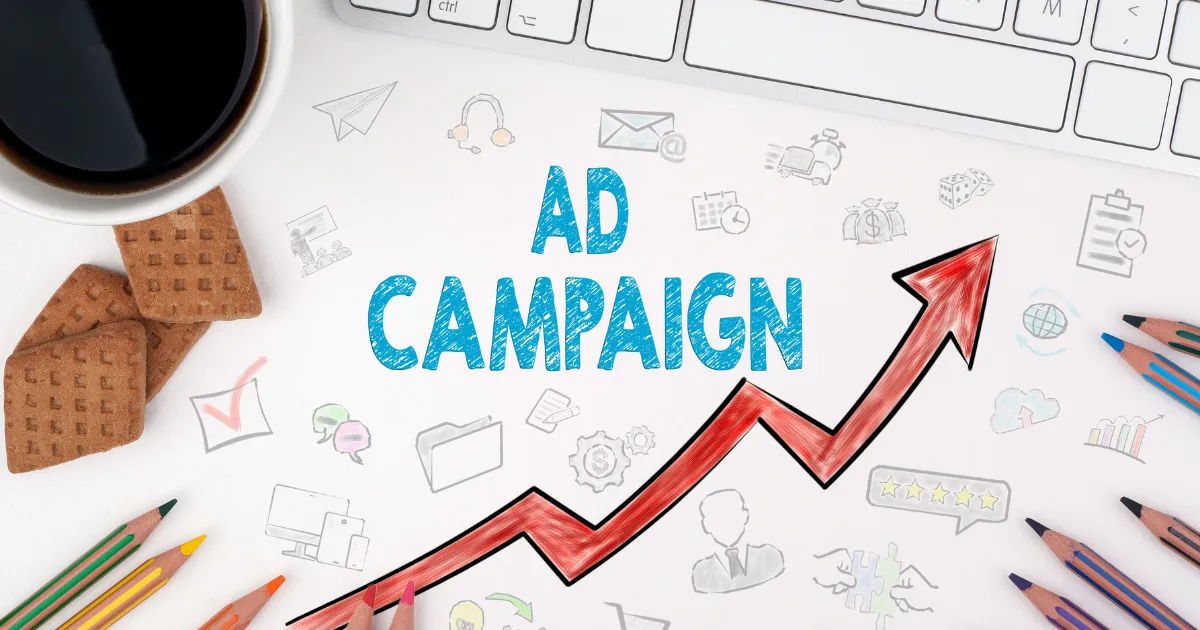
Unlike traditional advertising, Meta's advertising system allows businesses to choose who should see their advertisements based on factors such as age, location, interests, online behavior, and previous interactions with a business. Advertisers can also control budgets, test different advertisements, and measure results.

Understanding how the process works is important for businesses that want to spend their advertising budget wisely. A well-managed campaign does not simply place an advertisement in front of people. It uses data, audience research, creative content, testing, and optimization to improve performance over time.

What Is Meta Advertising?

Meta advertising refers to paid promotional campaigns that appear across Meta's digital platforms. Facebook and Instagram are the most common platforms used for these campaigns.

Depending on the campaign settings, an advertisement can appear in Facebook feeds, Instagram feeds, Stories, Reels, search-related placements, and other available locations within Meta's advertising network.

Businesses can advertise many different things. For example, an online store might promote a new product, while a local service provider might advertise a special offer. A software company could use advertisements to collect leads, and a content creator might use paid promotion to increase awareness.

The main advantage is targeting. Instead of showing the same advertisement to everyone, advertisers can define the type of people they want to reach.

How Does Meta Ads Management Work?

Meta Ads Management generally follows a series of steps. Each step plays an important role in determining whether a campaign succeeds.

1. Defining the Advertising Goal

The first step is deciding what the business wants to achieve.

A campaign may focus on brand awareness, website visitors, engagement, lead generation, app promotion, or sales. The selected goal affects how the campaign is designed and how Meta's system looks for potential customers.

For example, a company that wants phone numbers and email addresses from potential customers may create a lead generation campaign. An online store focused on purchases may select a sales-related objective.

A clear goal makes it easier to measure performance later.

2. Identifying the Target Audience

The next step is identifying the people most likely to be interested in the product or service.

Businesses can use different audience characteristics, including location, age range, interests, and other available targeting signals. Some campaigns can also use customer information or website activity to build relevant audiences, where permitted by Meta's policies and applicable privacy laws.

Audience selection requires careful thinking.

If an audience is too broad, advertising money may be spent reaching people who are unlikely to become customers. If it is too narrow, the campaign may struggle to reach enough people or may become more expensive.

A good strategy balances audience size with relevance.

3. Setting the Advertising Budget

Budget management is another important part of the process.

Advertisers decide how much money they want to spend. Depending on the campaign setup, they may use daily or campaign-level budgets.

The right budget depends on several factors. These include the business's goals, audience size, competition, industry, advertising objective, and expected customer value.

A small business does not necessarily need a huge advertising budget to begin testing an idea. Starting with a controlled amount can help determine whether an advertisement is effective before increasing spending.

The key is to treat the initial budget as a testing and learning opportunity rather than spending heavily without measuring results.

4. Creating the Advertisement

After defining the audience and budget, the business needs to create the actual advertisement.

An ad may contain an image, video, headline, primary text, call-to-action button, and a destination such as a website or landing page.

The creative material has a major effect on campaign performance.

People scroll quickly through social media, so an advertisement needs to communicate its main idea clearly. A strong opening, useful message, attractive visual, and relevant offer can encourage people to stop and pay attention.

For example, instead of simply saying that a product is available, an advertisement might explain the problem it solves and why the customer should consider it.

5. Choosing Ad Placements

Meta provides different locations where advertisements can appear.

These may include Facebook Feed, Instagram Feed, Instagram Stories, Facebook Stories, Reels, and other placements depending on the campaign and current platform options.

Advertisers can sometimes select placements manually. They can also allow Meta's system to distribute advertisements across suitable placements automatically.

Automatic placement can provide the system with more opportunities to find people who are likely to take the desired action. However, businesses should still monitor where their advertisements perform best.

Performance can vary considerably between placements.

6. Launching the Campaign

Once the campaign settings, audience, creative content, budget, and other details are ready, the advertisement can be submitted for review.

Meta checks advertisements against its advertising policies. This review helps determine whether the content meets the platform's requirements.

If approved, the advertisement can begin delivering to the selected audience.

The campaign should not be considered finished at this stage. In reality, launch is the beginning of the measurement and optimization process.

What Happens After an Ad Is Published?

Once an advertisement starts running, Meta collects performance information.

Advertisers can review metrics that show how people interact with their campaigns. These measurements help determine whether the campaign is moving toward its goal.

Important metrics can include impressions, reach, clicks, click-through rate, cost per click, leads, purchases, conversion rate, and return on advertising spend.

Each metric tells a different part of the story.

For example, a campaign may receive many clicks but very few sales. This could indicate that the advertisement attracts attention but that the landing page, offer, pricing, or checkout experience needs improvement.

Important Metrics in Meta Advertising

Understanding advertising metrics is essential for effective management.

Impressions

Impressions represent the number of times an advertisement is displayed.

One person can generate multiple impressions if they see the same advertisement several times.

Reach

Reach refers to the number of individual people who saw the advertisement.

Reach is different from impressions because one person may see an ad multiple times.

Click-Through Rate

Click-through rate, commonly called CTR, measures how frequently people click an advertisement after seeing it.

A higher CTR can indicate that the advertisement is relevant and compelling, although the ideal CTR depends on the campaign and objective.

Cost Per Click

Cost per click, or CPC, shows how much the advertiser is paying on average for clicks.

It can help businesses understand how efficiently their advertisements generate traffic.

Cost Per Lead

For lead-generation campaigns, cost per lead is particularly useful.

It shows approximately how much advertising money is being spent to generate each lead.

Conversion Rate

Conversion rate measures how many people complete a desired action after interacting with an advertisement or visiting a website.

The action could be making a purchase, submitting a form, booking an appointment, or completing another goal.

Return on Advertising Spend

Return on advertising spend, often called ROAS, compares advertising revenue with advertising costs.

For example, if a business spends $500 on advertisements and generates $2,000 in tracked sales, the revenue-to-ad-spend ratio is 4:1.

However, ROAS should be considered alongside profit margins and other business expenses. Revenue alone does not always equal profit.

The Role of Audience Testing

One of the most useful parts of Meta Ads Management is testing.

Businesses rarely know in advance exactly which audience will respond best. Testing allows advertisers to compare different approaches.

For example, a business might test two audience groups. One could be based on broad targeting, while another could be based on specific customer interests.

The advertiser can then compare results.

Testing can also be performed with different images, videos, headlines, offers, and calls to action.

This process is often called A/B testing or split testing.

Why Ad Creative Matters

Good targeting cannot completely compensate for weak creative content.

People need a reason to pay attention to an advertisement. Visual quality, messaging, relevance, and clarity all influence how users respond.

Short-form video is particularly important across modern social media platforms. However, images and other creative formats can also work well depending on the audience and objective.

A strong advertisement usually focuses on one clear idea.

Instead of putting too much information into one ad, businesses can create different advertisements for different customer needs.

For example, one ad might focus on price, while another emphasizes quality or convenience.

The Importance of Landing Pages

An advertisement is only one part of the customer journey.

If an advertisement sends users to a website, the landing page needs to support the same message.

Suppose an advertisement promotes a specific product at a special price. If the user clicks the advertisement and arrives on a confusing homepage where the offer is difficult to find, the chance of conversion may decrease.

A good landing page should be relevant, easy to navigate, mobile-friendly, and focused on the intended action.

The transition from advertisement to landing page should feel natural.

How Optimization Works

Optimization means making changes based on campaign data.

A campaign manager may discover that one advertisement produces cheaper leads than another. The weaker advertisement may be changed, paused, or replaced.

Similarly, an audience that performs poorly may receive less budget, while a stronger audience may receive more.

Optimization should be based on meaningful data rather than reacting to every small change.

Advertising performance naturally moves up and down. Making major changes too frequently can make it harder to understand what actually caused a campaign's results to change.

The Learning Process

Meta's advertising system uses algorithms to help determine which people are more likely to complete the desired action.

When a campaign receives more useful data, the system can have more information for delivery decisions.

This is one reason advertisers should give campaigns enough time and suitable conditions to gather meaningful results.

Constantly changing targeting, budgets, or creative elements can interfere with the learning process.

A structured approach is usually better than making random changes every day.

Common Mistakes in Meta Advertising

Several mistakes can reduce advertising performance.

Targeting Everyone

Trying to reach everyone may seem attractive, but not every person is a potential customer.

Businesses should understand who actually benefits from their product or service.

Using Only One Advertisement

Relying on a single creative can make it difficult to identify what works.

Testing multiple variations can provide useful information about customer preferences.

Ignoring Mobile Users

A large amount of social media activity takes place on mobile devices.

Advertisements and landing pages should therefore be easy to view and use on smaller screens.

Focusing Only on Clicks

Clicks are useful, but they are not always the final goal.

If a business wants sales, it should focus on conversions and revenue rather than celebrating traffic that does not produce customers.

Changing Campaigns Too Frequently

Frequent changes can make campaign data difficult to interpret.

Advertisers should give their campaigns reasonable opportunities to produce meaningful data before making major decisions.

How Businesses Can Improve Campaign Performance

Improving performance usually requires a combination of research, testing, and analysis.

First, businesses should understand their ideal customers. Knowing their problems, interests, needs, and buying motivations can help create better advertisements.

Second, businesses should test different creative ideas.

Third, campaign results should be reviewed regularly. Poor-performing elements can be adjusted while successful approaches can be developed further.

It is also important to consider the complete customer journey.

An advertisement may be excellent, but if the website is slow or the purchasing process is complicated, overall results may still be weak.

Privacy and Advertising Policies

Businesses must follow Meta's advertising policies when creating campaigns.

They should also consider applicable privacy and data protection requirements when collecting, uploading, or using customer information.

Advertisers should avoid misleading claims, prohibited content, and targeting practices that violate platform rules.

Following policies is important not only for compliance but also for maintaining customer trust.

How Much Does Meta Advertising Cost?

There is no single fixed price for advertising.

The cost depends on factors such as audience competition, campaign objective, industry, location, creative quality, seasonality, and available advertising inventory.

Two businesses can spend the same amount but achieve very different results.

For this reason, businesses should not judge advertising only by how much they spend. They should evaluate what they receive in return.

A campaign that spends more but generates profitable customers may be more valuable than a cheaper campaign that produces little business value.

Is Meta Advertising Suitable for Small Businesses?

Yes, Meta advertising can be useful for small businesses because campaigns can be started with controlled budgets.

A local business could target people in a particular service area. An online store could reach potential customers interested in relevant products.

However, having access to advertising tools does not automatically guarantee success.

Small businesses should begin with clear goals, carefully selected audiences, strong creative content, and measurable outcomes.

They can then expand their campaigns when they find an approach that works.

What Does a Meta Ads Manager Do?

A person responsible for Meta Ads Management may perform several tasks.

These can include researching audiences, developing campaign strategies, creating or coordinating ad creatives, setting budgets, monitoring results, analyzing metrics, testing variations, and optimizing campaigns.

They may also review tracking systems to ensure that important actions are being measured correctly.

The role is not simply about pressing the "publish" button.

Successful campaign management requires ongoing decision-making based on data and business goals.

How Long Does It Take to See Results?

There is no universal time period for achieving results.

Some campaigns may generate leads or sales quickly, while others require more testing and refinement.

Results depend on the offer, audience, budget, competition, website, creative content, and campaign objective.

Businesses should therefore avoid judging a campaign based on a very short period unless there is a clear reason to do so.

A longer testing period can provide more useful information, provided the campaign is properly configured and the spending level is appropriate.

Conclusion

Meta Ads Management works by combining audience targeting, advertising objectives, creative content, budgeting, campaign delivery, performance tracking, and continuous optimization. Each part contributes to the overall performance of a campaign.

The process begins with a clear business goal. From there, advertisers identify suitable audiences, create relevant advertisements, choose appropriate placements, establish a budget, and launch the campaign.

After launch, performance data becomes extremely important.

Metrics such as reach, impressions, clicks, conversions, cost per result, and return on advertising spend help businesses understand what is happening. Advertisers can use this information to test new ideas, improve weak areas, and increase investment in campaigns that produce valuable results.

The most important lesson is that successful advertising is not simply about spending more money. It is about spending money intelligently.

A business with a smaller budget can potentially compete effectively when it understands its customers, presents a strong offer, creates useful advertisements, and carefully monitors performance.

At the same time, businesses should remember that advertising is only one part of marketing. The product, pricing, customer service, website, landing page, and overall customer experience can all affect the final outcome.

When these elements work together, paid social advertising can become a valuable source of awareness, traffic, leads, and sales. With careful planning and consistent optimization, Meta's advertising ecosystem can help businesses connect with relevant audiences and turn online attention into measurable business results.


The Crypto Gyration Sympathy The Rise Of Suburbanised Currencies In An More And More Centralized Worldly Concern

In the 21st , as international institutions and governments consolidate superpowe through engineering, finance, and surveillance, a contrastive squeeze has emerged suburbanized integer currencies. This”crypto gyration” represents a them shift in how we comprehend, hive away, and exchange value, thought-provoking orthodox banking systems and centralised business authorities. The rise of cryptocurrencies, particularly Bitcoin and Ethereum, signals not just a subject field furtherance, but a appreciation and economic movement rooted in the want for business self-direction, transparentness, and concealment.The Problem with CentralizationCentralization has long been the dominant paradigm in world finance. Central Banks, governments, and transnational corporations exert considerable verify over pecuniary insurance policy, interest rates, and cross-border proceedings. While such verify can see economic stability, it often comes at the cost of privacy, handiness, and inclusivity. In many parts of the earth, commercial enterprise systems exclude millions of populate due to lack of recognition, geographical barriers, or political restrictions. Additionally, centralized institutions are impressionable to subversion, censoring, data breaches, and insurance use.Events such as the 2008 planetary fiscal demonstrated the vulnerabilities of these centralised systems, exposing how a smattering of institutions, through heedless deportment and insufficient oversight, could imperil the international thriftiness. For many, this was a wake-up call suggestion a look for for alternatives that would be less prostrate to human wrongdoing and organization greed.The Birth and Promise of Crypto Cards Enter Bitcoin, introduced in 2009 by the onymous Satoshi Nakamoto. Its core excogitation was the blockchain a localized, changeless book of account that allows for peer-to-peer transactions without intermediaries. This engineering science promised something subverter: a commercial enterprise system not governed by any single entity, but by a encyclical web of participants.Over the old age, Bitcoin inspired a wave of alternative cryptocurrencies(“altcoins”), each with unique features and use cases. Ethereum, launched in 2015, distended the potentiality of blockchain by enabling hurt contracts programmable agreements that automatically when conditions are met. This open the door for decentralised applications(dApps) and the rise of decentralized finance(DeFi), which replicates orthodox fiscal services like loaning, adoption, and trading without intermediaries.Cryptocurrencies gift users by giving them full control over their integer assets. Transactions are borderless, relatively fast, and resistant to censoring. For individuals in dictator regimes or countries with hyperinflation, crypto offers a lifeline a horse barn, procure lay in of value that is unaffected to politics disturbance.The Tension Between Control and FreedomThe rise of crypto has not gone unnoted by governments and telephone exchange banks. Many are experimenting with their own integer currencies known as Central Bank Digital Currencies(CBDCs). While these may increase and meliorate financial cellular inclusion, they also resurrect concerns about surveillance and loss of business enterprise privacy. CBDCs could in theory allow governments to supervise every dealing in real time, impose programmable restrictions, and potentially suspend assets without due process.In contrast, redistributed cryptocurrencies aim to protect mortal exemption by ensuring that no exchange authorisation can dictate the rules of involvement. However, this exemption comes with challenges. Volatility, lack of rule, and the potential for abuse in unlawful activities uphold to fuel incredulity. Scams, hacks, and badly designed projects have cost users billions, highlight the need for better education and timid involvement.Looking Ahead: Integration or Disruption?As the crypto revolution continues, the big wonder is whether redistributed currencies will integrate with the existing commercial enterprise system of rules or supercede it birthday suit. Some project a loan-blend simulate, where orthodox institutions take in blockchain technology to ameliorate transparency and efficiency while retaining restrictive superintendence. Others see a more riotous path, where localized networks evolve into parallel economies that equal the shape of state-states.What is is that cryptocurrencies are more than a passing cu. They symbolise a first harmonic transfer in how we think about value, governance, and bank. In an more and more centralised earthly concern, crypto offers a powerful choice one well-stacked not on authorization, but on consensus.

Load Bank Equipment For Superpowe Multiplication Industry Applications

The superpowe propagation industry depends on that can create consistently and safely. Generators and other great power multiplication systems are used in utilities, heavy-duty facilities, commercial properties, construction projects, remote locations, and emergency world power installations. Before a generator is placed into serve, and throughout its in operation life, its performance needs to be tested under limited conditions. Load bank equipment provides an operational way to do these tests, while an old load bank equipment producer can help customers pick out systems appropriate to their particular requirements.

A load bank creates an dyed physical phenomenon load that consumes the major power produced by a source. This allows technicians to test the generator without depending on the readiness’s convention physical phenomenon demand. Operators can utilise different load levels and ride herd on how the source responds. This go about provides useful selective information about electromotive force, frequency, flow, temperature, power production, and overall operating behavior.

Generator commissioning is one of the most meaningful applications of load Sir Joseph Banks in the great power multiplication industry. When a new author is installed, plainly start the does not present that it can supply its full rated physical phenomenon output. A load bank can bit by bit step-up the and allow technicians to pass judgment the source across different operating levels.

Load bank testing is also worthy during sufferance examination. Project owners and contractors may need to confirm that new installed generation meets specified performance requirements. Controlled examination provides mensurable results that can be included in commissioning and sufferance support.

Preventive sustentation is another portentous application. Generators may operate for long periods at relatively low lashing or continue in understudy mode. Regular load bank examination provides an chance to point the generator under limited physical phenomenon demand. This can help sustenance teams place uncommon operative conduct before the equipment is needful for a critical application.

Different types of load banks can be used depending on the testing objectives. Resistive load Banks are unremarkably used to utilise real-power demand. Resistive-reactive load Banks can provide extra examination capabilities where sensitive load is needed. The correct configuration depends on the author and the type of performance evaluation being conducted.

Capacity selection is particularly large. The load bank needs to be well-matched with the generator’s major power paygrad, emf, relative frequency, and phase form. A professional person producer can review the author specifications and urge an appropriate and conformation.

Power generation projects can also need mobile examination solutions. Portable load Banks can be transported to different source locations, qualification them useful for serve companies and organizations with multiplex facilities. Larger projects may use trailer-mounted or containerized systems when high testing capacities are required.

Cooling is a critical part of load bank surgical process. Electrical energy consumed by the load bank is converted into heat, which must be distant in effect. Air-cooled systems commonly use fans to move air through the load . Proper ventilation and sufficient clearance are necessary to see to it safe surgical operation.

The operative environment should also be considered. Outdoor great power multiplication facilities may let out to brave out, dust, moisture, and temperature changes. Industrial locations can have additional situation challenges. A producer can urge appropriate enclosure designs and caring features based on the installment environment.

Modern load Banks may let in integer controls and monitoring systems. These systems allow technicians to choose particular load steps and watch parameters such as electromotive force, stream, frequency, great power, and temperature. Some high-tech systems can ply remote control monitoring or data recording, which can make examination more efficient.

Safety features are necessary when testing high-power generation equipment. Load banks may let in closure functions, over-temperature protection, airflow monitoring, tribute, admonition indicators, and caring enclosures. Operators should also watch over appropriate connection and in operation procedures.

Customization can be useful for vauntingly world power multiplication projects. Customers may want unusual emf ratings, particular load capacities, specialised connectors, customized dimensions, or hi-tech verify interfaces. An experienced manufacturer can develop around these requirements.

Maintenance of the load bank is also large. Fans, noncompliant elements, electrical connections, sensors, verify components, and caring systems should be inspected according to the manufacturer’s recommendations. Keeping the right retained helps assure that it cadaver ready for futurity author testing.

Technical support and save parts can put up to long-term value. Power propagation companies may use load Banks for many years, so get at to surrogate components and troubleshooting aid can be evidential.

In termination, load bank liquid cooled load banks manufacturer is an key part of world power multiplication testing. It supports commissioning, toleration examination, preventative sustainment, troubleshooting, and performance substantiation. By working with a honest load bank producer and considering capacity, load type, cooling, controls, safety, state of affairs conditions, and technical subscribe, power generation companies can prepare an effective testing strategy and wield greater trust in author public presentation.

Load Bank Equipment Manufacturing: Technology, Design, And Applications

Load bank equipment manufacturing combines electrical engineering, thermic direction, mechanical plan, control engineering science, and tone surenes to create systems open of testing major power under controlled conditions. A professional person load bank inductive load banks manufacturer manufacturer must consider many factors when development equipment for generators, UPS systems, batteries, and other electrical applications.

The basic resolve of a load bank is to model physical phenomenon demand. When connected to a source or another superpowe source, the load bank consumes electrical energy and allows technicians to observe how the system responds. By selecting different load levels, operators can evaluate performance without depending entirely on a facility’s normal electrical demand.

The plan work starts with the needed physical phenomenon specifications. Manufacturers need to understand the world power military rating, emf, relative frequency, phase shape, and conscious application. These specifications the type and size of load elements, electrical connections, control , cooling system, and caring components necessary.

Resistive load Banks are among the most wide manufactured types. They use resistance to create a controlled real-power load. The must be subject of in operation at high temperatures while maintaining foreseeable performance. Manufacturers cautiously choose materials and arrange the elements according to the needed and load-step configuration.

Some applications want defiant-reactive load banks. These systems cater extra testing capability by introducing reactive load as well as resistive loading. They can be useful for more comp rating of generators and other major power systems. The producer must plan the system of rules to supply the requisite physical phenomenon characteristics while maintaining safe operational conditions.

Thermal management is one of the most profound aspects of load bank design. During surgical operation, physical phenomenon vitality is born-again into heat. Air-cooled systems in the main use fans to move air across the load elements and transfer heat. Manufacturers must with kid gloves design the air flow path, fan capacity, ventilation system openings, and natural enclosure to see operational cooling.

The natural science natural enclosure also depends on the practical application. Indoor may have different requirements from exterior systems. Outdoor load banks may need extra tribute from state of affairs conditions. Portable systems may want durable frames, wheels, lifting points, and compact twist to make transit and frame-up easier.

Control engineering has developed importantly in Bodoni load bank . Basic systems may use manual of arms switches, while sophisticated can admit whole number interfaces and automatic controls. Operators can select load stairs, monitor system parameters, and verify examination procedures more precisely.

Monitoring functions can provide momentous information during testing. Depending on the equipment, technicians may be able to follow emf, flow, relative frequency, world power, temperature, and airflow. Data transcription can also be useful for documenting test results and comparing public presentation across sextuple sustenance cycles.

Safety systems are structured into Bodoni font load bank designs. Because the handles substantive physical phenomenon great power and produces heat, manufacturers need to provide appropriate protection. Emergency closedown controls, temperature monitoring, flow of air tribute, circuit protection, and admonition indicators can help tighten work risks.

Manufacturing timber verify is another critical element. Components should be inspected before meeting place, and completed systems should be well-tried before shipment. Factory testing may control load steps, electrical connections, cooling system performance, controls, and refuge functions. These procedures can help assure that equipment is ready for arena surgery.

Applications for load bank are diverse. Data centers use load banks to test generators and UPS systems. Hospitals may use them to evaluate major power systems. Industrial facilities can use load Banks during generator commission and preventative sustentation. Telecommunications sites and commercial buildings can also gain from controlled great power system of rules examination.

Customization is often necessary for technical applications. Customers may need specific electromotive force ratings, capacities, arrangements, verify interfaces, or enclosure dimensions. A manufacturer with fresh technology resources can design equipment around these requirements rather than relying entirely on monetary standard products.

Maintenance considerations are also included in effective load bank plan. Components that want sporadic review or replacement should be accessible to technicians. Manufacturers can supply sustainment operating instructions, technical foul documentation, and replacement parts to subscribe long-term surgery.

Another meaningful thoughtfulness is scalability. A facility’s superpowe requirements may change over time, so organizations may profit from working with manufacturers that volunteer different capacities and configurations. This can make future upgrades or additional examination requirements easier to finagle.

In ending, load bank manufacturing involves much more than collecting physical phenomenon components. Successful requires careful electrical plan, thermic direction, physical science construction, verify engineering, refuge engineering, and quality examination. By selecting an veteran load bank equipment producer with fresh engineering and support capabilities, organizations can obtain examination designed to meet their specific applications and subscribe steady power system of rules performance.
