

How does custom activewear wick moisture?

When you exercise, your body produces heat, and sweating is one of its main ways of cooling itself. The problem begins when sweat remains trapped against your skin. Wet fabric can feel heavy, uncomfortable, and restrictive, especially during intense workouts or long training sessions. This is where custom activewear is designed to make a practical difference.

Moisture-wicking activewear uses specially selected fibers, fabric structures, and garment construction techniques to move sweat away from the skin. Instead of simply absorbing large amounts of moisture and staying wet, a well-designed fabric helps spread moisture across a larger surface area so it can evaporate more quickly.

Understanding how this process works can help you choose better workout clothing, whether you are designing uniforms for a sports team, creating branded gym apparel, or simply looking for comfortable training gear.

What Does Moisture Wicking Mean?

Moisture wicking refers to the movement of moisture, particularly sweat, away from the surface of your skin and toward the outer surface of a fabric.

Once the moisture reaches the outside of the garment, it can spread across the fabric and evaporate into the surrounding air.

This is different from ordinary absorbent clothing. A cotton shirt, for example, can absorb sweat effectively, but it may hold that moisture inside the fibers. As the shirt becomes saturated, it can feel damp and heavy.

A moisture-wicking fabric is designed to manage sweat differently. It helps transport moisture rather than simply holding onto it.

The basic process can be understood in three stages: sweat reaches the fabric, the fabric moves the moisture away from the skin, and the moisture spreads across the outer surface where evaporation can occur.

How Does the Wicking Process Work?

The ability of custom activewear to manage moisture depends on several factors working together.

Sweat Moves From the Skin to the Fabric

During exercise, sweat forms on your skin. When your clothing is in contact with your body, the moisture reaches the inner surface of the fabric.

The fabric's fibers then interact with that moisture.

Some synthetic fibers are naturally useful for moisture management because they do not absorb water in the same way highly absorbent natural fibers do. Their physical structure can encourage sweat to move along or between the fibers.

Moisture Travels Through the Fabric

Once sweat reaches the fabric, capillary action helps move it through tiny spaces within the material.

Think of this as moisture traveling through a network of very small pathways. The construction of the fibers and the spaces between them influence how efficiently this happens.

Fabric thickness, knitting method, fiber shape, and finishing treatments can all affect moisture movement.

Moisture Spreads Across the Outer Surface

Good moisture-wicking material does not simply move sweat to another location and leave it there.

The moisture can spread over a larger area on the outside of the garment. Increasing the exposed surface area makes evaporation easier.

Air movement also matters. A breathable garment allows air to circulate through or around the fabric, helping the moisture evaporate.

Which Fabrics Are Best for Moisture Wicking?

Fabric choice is one of the most important parts of moisture management.

Different materials behave differently when exposed to sweat, heat, and repeated washing.

Polyester

Polyester is one of the most widely used fibers in performance clothing.

It absorbs relatively little water compared with many natural fibers and can be engineered into fabrics that move moisture away from the skin.

Polyester is also lightweight, durable, and resistant to shrinking. These characteristics make it useful for sports uniforms and training garments.

The quality of the fabric still matters. Simply having polyester in a garment does not automatically mean it will provide excellent moisture management.

Nylon

Nylon is another popular performance fiber.

It can provide a smooth, lightweight feel and good durability. Depending on how it is manufactured and knitted, nylon can also be incorporated into fabrics designed for moisture management.

Nylon is often valued for its stretch and comfortable feel, making it useful in fitted workout garments.

Polyester and Spandex Blends

Adding spandex or elastane can improve stretch and freedom of movement.

This is especially useful for leggings, compression garments, fitted tops, and other clothing where the fabric needs to move with the body.

The spandex itself is not necessarily responsible for the garment's primary moisture-wicking performance. Instead, the blend allows designers to combine stretch with the moisture-management characteristics of performance fibers.

Merino Wool

Merino wool may seem like an unusual choice for athletic clothing, but it has useful moisture and temperature-management properties.

It can absorb moisture vapor while helping regulate temperature and reduce odor compared with some synthetic fabrics.

However, it generally has a different feel and performance profile from synthetic performance fabrics, so the best choice depends on the activity and intended use.

Why Fabric Construction Matters

Fiber selection is only part of the equation.

Two garments made from similar fibers can perform differently because of how the fabric is constructed.

Knitting patterns can create channels, spaces, and textures that influence air movement and moisture transport.

A lightweight mesh fabric, for example, can encourage ventilation and reduce the amount of material holding heat against the body.

A denser fabric may provide greater coverage and support but can potentially retain more heat.

For this reason, choosing custom activewear involves more than selecting a particular fiber. The weight, weave or knit, stretch, thickness, and surface structure should all match the intended activity.

How Does Breathability Affect Moisture Wicking?

Moisture wicking and breathability are related, but they are not exactly the same thing.

Wicking concerns how moisture moves through the fabric.

Breathability concerns how easily air and water vapor can move through or around the garment.

A fabric may move sweat away from your skin but still feel uncomfortable if the garment traps heat and humid air.

This is why performance clothing often combines moisture-wicking fabrics with ventilation zones.

Mesh panels may be placed in areas where heat tends to build up, such as under the arms or along the back.

The result can be better airflow without making the entire garment extremely thin.

Why Does Custom Activewear Feel Drier?

A moisture-wicking garment does not necessarily prevent you from sweating.

You may still sweat heavily during running, cycling, weight training, football, basketball, or other demanding activities.

The difference is how the garment handles that sweat.

When moisture is moved away from the skin and spread across the fabric, the skin can feel less wet.

The garment may also dry faster than a conventional absorbent shirt.

That can make a noticeable difference during long workouts. A shirt that remains saturated can become heavier and cling to the body. A well-designed performance garment can reduce that uncomfortable sensation.

Does Moisture Wicking Keep You Cool?

Moisture management can contribute to thermal comfort, but it does not guarantee that you will feel cool.

Your body generates heat during exercise. The surrounding temperature, humidity, wind, exercise intensity, and clothing coverage all influence how effectively that heat leaves your body.

Evaporation is particularly important.

When sweat evaporates from the skin, it removes heat. If sweat remains trapped between your skin and clothing, that cooling process can be less effective.

A breathable, moisture-managing garment can therefore support the body's natural cooling process.

However, fabric technology cannot overcome extremely hot or humid conditions on its own.

How Customization Can Improve Performance

The advantage of custom activewear is that the garment can be designed around a specific activity instead of relying on a generic clothing pattern.

A running shirt may need lightweight construction and strong ventilation.

A basketball uniform may require durability, freedom of movement, and effective sweat management.

A cycling garment may use close-fitting construction and strategically placed breathable panels.

A gym training shirt might prioritize stretch, comfort, and rapid drying.

The same moisture-wicking technology can therefore be incorporated into very different garments.

Placement of Ventilation Panels

Customization allows ventilation to be considered during the design process.

Mesh or lighter-weight sections can be positioned in areas where heat and sweat accumulate.

This can improve airflow without sacrificing the structure of the entire garment.

Fit and Moisture Management

Fit also influences how clothing manages sweat.

If a garment is excessively loose, certain areas may have limited contact with the skin.

If it is extremely tight, airflow may be restricted.

The appropriate fit depends on the sport, garment type, and personal preference.

Performance clothing should allow movement without creating unnecessary restriction.

Seam Placement

Seam construction can also affect comfort.

During repetitive movement, poorly positioned seams may rub against the skin.

A moisture-wicking fabric does not eliminate the possibility of chafing if the garment has uncomfortable construction.

Thoughtful seam placement, smooth finishes, and appropriate patterns can make the overall garment more comfortable.

What Happens When Activewear Becomes Saturated?

Even high-quality performance clothing has limits.

If you produce sweat faster than the fabric can move and evaporate it, the garment will eventually become wet.

This is especially likely during prolonged exercise, extremely humid weather, or high-intensity training.

At that point, the garment may feel heavier and less comfortable.

This does not necessarily mean the fabric has failed. Moisture-wicking technology helps manage sweat, but it cannot make unlimited amounts of moisture disappear instantly.

Environmental conditions matter greatly.

A garment can dry quickly in warm, dry, moving air but much more slowly in humid conditions where the surrounding air already contains substantial moisture.

Does Color Affect Moisture Wicking?

Color itself generally does not determine whether a fabric can wick moisture effectively.

The underlying fiber, construction, finishing, and garment design have a much greater influence.

However, color can affect other aspects of athletic clothing, particularly heat absorption when garments are exposed to direct sunlight.

For outdoor activities, the complete garment design matters more than focusing on color alone.

How Should Moisture-Wicking Activewear Be Washed?

Proper care is important because fabric performance can change when garments are repeatedly exposed to unsuitable washing products or conditions.

Follow the manufacturer's care instructions.

Avoid assuming that more detergent means cleaner performance clothing. Excess detergent can leave residues that affect fabric feel and performance.

Fabric softeners can also be problematic for some technical fabrics because they may coat fibers and interfere with the properties that help moisture move across the material.

Washing workout clothing soon after heavy use can also help manage odor and buildup.

High heat should be avoided when the care label recommends lower temperatures, particularly for garments containing elastic fibers.

Common Misunderstandings About Moisture-Wicking Clothing

One common misconception is that moisture-wicking means sweat-free.

It does not.

The body still sweats. The garment simply manages moisture more effectively.

Another misconception is that the most expensive fabric will always perform best.

Price alone is not a reliable measure of moisture management.

A thoughtfully constructed garment made from an appropriate performance fabric can outperform a more expensive garment with poor construction or an unsuitable design.

It is also important not to confuse quick-drying fabric with moisture-wicking fabric. They are related characteristics, but they describe different parts of the moisture-management process.

How to Choose the Right Moisture-Wicking Garment

Start with the activity.

High-intensity sports often benefit from lightweight, breathable fabrics that can move moisture efficiently.

Outdoor training requires consideration of temperature, humidity, sun exposure, and wind.

For strength training, stretch and durability may be just as important as moisture management.

Then consider the fit.

The garment should allow a full range of movement without unnecessary restriction or excessive fabric that interferes with the activity.

Finally, consider construction.

Look at ventilation, seams, fabric weight, stretch, and the overall design rather than judging the garment solely by its fiber label.

The Role of Custom Activewear in Team Sports

For teams, moisture management can be particularly valuable because athletes may wear the same uniform for extended periods.

A well-designed uniform can combine team branding with practical performance features.

Fabric selection can be matched to the sport, while ventilation and fit can be incorporated into the pattern.

Customization also allows teams to create garments that are appropriate for different positions, training environments, or seasons.

The goal should not simply be to make a uniform look distinctive. The design should work comfortably while athletes are actually moving and sweating.

Conclusion

The way custom activewear wicks moisture comes down to a combination of fiber properties, fabric construction, garment design, breathability, fit, and environmental conditions.

Sweat reaches the inner surface of the garment, moves through the fabric, spreads across a larger surface area, and can then evaporate more efficiently. Performance fibers such as polyester and nylon are commonly used because they can be engineered for this type of moisture management, while blends can add stretch and other useful characteristics.

Good moisture-wicking clothing does not stop sweating, and it cannot guarantee that you will remain completely dry during intense exercise. Instead, it helps manage the moisture your body naturally produces.

That distinction is important when choosing athletic clothing.

The best garment is not necessarily the one with the most advanced-sounding fabric claim. It is the one whose material, construction, ventilation, fit, and design are appropriate for the activity.

When these elements are considered together, custom activewear can provide a more comfortable experience by helping manage sweat, support evaporation, reduce the feeling of wet fabric, and allow athletes to focus more on their training rather than their clothing.
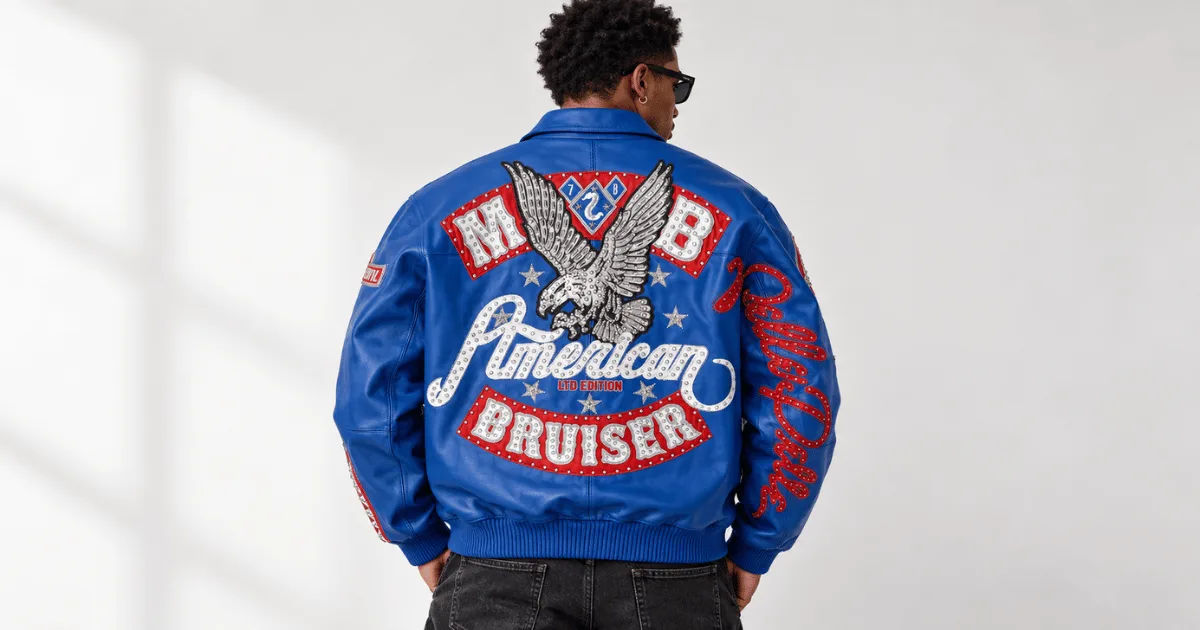
Are Leather Jackets Waterproof In Rain?

Leather jackets are known for their durability, timeless style, and ability to provide warmth in changing weather. But one common question is whether they can handle wet conditions. If you are considering a jacket from Pelle Pelle Store, understanding how leather reacts to rain can help you protect your investment and keep the jacket looking good for years.

The short answer is that most leather jackets are water-resistant rather than completely waterproof. A light shower usually will not cause serious damage if the jacket is properly treated and dried afterward. However, heavy rain or prolonged exposure to water can affect the leather, causing stains, stiffness, discoloration, cracking, or even permanent damage.

This comprehensive guide explains how leather behaves in rain, which types of leather perform better in wet conditions, what happens when leather gets soaked, and how to protect and maintain your jacket.

Is Leather Naturally Waterproof?

Leather is a natural material made from animal hide. During the tanning process, the hide is treated to improve its strength, flexibility, and resistance to environmental conditions.

However, natural leather contains tiny pores and fibers. Water can eventually pass through these structures, especially when the material is exposed to moisture for a long period.

Some leather jackets have protective finishes that make the surface more resistant to water. These finishes can cause rain droplets to sit on the surface instead of immediately soaking into the material.

That does not mean the jacket is completely waterproof.

A leather jacket without additional waterproofing should generally be considered water-resistant for light exposure, not suitable for continuous heavy rain.

What Happens When Leather Gets Wet?

A few drops of rain are usually not a major concern. Problems are more likely to occur when leather becomes heavily saturated.

When water enters the leather fibers, it can temporarily change the material's texture. If the jacket dries too quickly or incorrectly, the leather may become stiff.

Repeated exposure to water can also remove some of the leather's natural oils. These oils help keep the material flexible. When they are lost, the leather can eventually become dry and more likely to crack.

Water can also affect the appearance of dyed or finished leather. Dark spots, water marks, uneven coloration, and changes in texture may become visible after significant exposure.

Light Rain

Light rain is generally manageable for a quality leather jacket.

If you are caught outside for a short period, simply try to avoid allowing water to remain on the jacket for an extended time. Once you get indoors, gently remove surface moisture and let the jacket dry naturally.

Heavy Rain

Heavy rain presents a greater risk.

If water continues falling on the jacket for a long period, moisture can gradually penetrate deeper into the leather. The risk increases further if the jacket becomes completely soaked.

For severe weather, a properly waterproof outer layer is usually more appropriate than relying on a traditional leather jacket.

Are All Leather Jackets Equally Resistant to Rain?

No. The level of water resistance depends on several factors, including the type of leather, tanning process, surface treatment, construction, and maintenance.

Different leather types absorb and react to water differently.

Full-Grain Leather

Full-grain leather is highly durable and retains the natural grain of the hide. It can handle normal everyday wear very well.

However, durability does not automatically make full-grain leather waterproof. Without an appropriate protective finish, prolonged rain can still damage it.

Top-Grain Leather

Top-grain leather has been processed to create a more uniform appearance. Depending on its finish, it can have reasonable resistance to moisture.

Its performance in rain varies considerably between products.

Suede and Nubuck

Suede and nubuck generally require more care around water.

Their textured surfaces can absorb moisture relatively easily. Water may create visible marks or alter the texture.

If you own a suede jacket, avoiding heavy rain is usually the safest approach.

Faux Leather

Faux leather is made from synthetic materials rather than animal hide. Some synthetic jackets have relatively good surface resistance to water.

However, their performance depends on the specific material and construction. Faux leather can also peel, crack, or deteriorate with age, heat, and repeated exposure to moisture.

Can You Wear a Leather Jacket in the Rain?

Yes, but the circumstances matter.

Wearing a leather jacket during a brief light shower is usually very different from wearing it through several hours of heavy rainfall.

If rain begins unexpectedly, you do not necessarily need to panic. Find shelter when possible and protect the jacket from becoming saturated.

If rain is already forecast to be heavy, consider choosing a waterproof coat instead.

A leather jacket is primarily valued for its style, durability, warmth, and distinctive appearance. It should not automatically be treated like technical waterproof outdoor clothing.

How to Protect a Leather Jacket From Rain

Proper preparation can significantly improve a leather jacket's ability to handle occasional moisture.

Use a Leather Protector

A quality leather protector can create an additional barrier against moisture. Before using any product, check that it is designed specifically for your leather type.

Do not assume that one waterproofing product works safely on every leather finish.

Always follow the manufacturer's instructions.

Test the Product First

Before applying a conditioner or protective spray to the entire jacket, test it on a small, hidden area.

This helps you determine whether the product changes the leather's color, texture, or finish.

Some treatments can darken leather or create an unwanted shine.

Condition the Leather

Leather conditioners can help maintain flexibility by replacing some of the oils that are lost through normal use.

However, conditioning should not be excessive. Too much product can alter the appearance or make the leather feel greasy.

Use a conditioner recommended for your particular type of leather.

What to Do If Your Leather Jacket Gets Soaked

Accidents happen. If your leather jacket becomes completely wet, the most important thing is to dry it correctly.

Remove Excess Water

Gently shake off excess water and use a clean, soft cloth to blot the surface.

Do not rub aggressively. Rubbing can spread moisture and potentially affect the finish.

Let It Air Dry

Hang the jacket on a broad, sturdy hanger and allow it to dry naturally in a well-ventilated room.

Keep it away from direct heat.

Avoid Hair Dryers and Radiators

One of the biggest mistakes people make is using strong heat to dry wet leather quickly.

A hair dryer, heater, radiator, or direct sunlight can cause the leather to dry too rapidly. This can lead to stiffness, shrinkage, or cracking.

Natural air drying is much safer.

Restore the Leather After Drying

Once the jacket is completely dry, inspect it carefully.

If the leather feels unusually dry or stiff, an appropriate leather conditioner may help restore flexibility.

Do not apply conditioner while the jacket is still wet unless the product's instructions specifically recommend doing so.

How Long Does It Take for Leather to Dry?

Drying time depends on how wet the jacket became, the thickness of the leather, humidity, ventilation, and room temperature.

A lightly damp jacket may dry within several hours.

A completely soaked leather jacket may require a full day or longer.

The important thing is not to rush the process.

Leather should dry gradually rather than being exposed to intense artificial heat.

Does Rain Ruin Leather Jackets?

Rain does not automatically ruin leather.

A high-quality leather jacket can often survive occasional exposure to rain when it is maintained properly.

The greater concern is repeated or prolonged soaking without proper care.

Damage can become more likely when moisture combines with poor drying methods, lack of conditioning, and long-term neglect.

For example, leaving a wet leather jacket crumpled in a bag can create a poor drying environment. It may remain damp for too long and develop unpleasant odors or other problems.

How to Store a Leather Jacket After Rain

Proper storage is another important part of leather care.

Make sure the jacket is completely dry before putting it into a wardrobe or storage container.

Use a wide hanger to help the jacket maintain its shape. Thin wire hangers can place unnecessary pressure on the shoulders.

Store leather somewhere cool and dry with reasonable air circulation.

Avoid sealing a damp leather jacket inside plastic because trapped moisture can contribute to mold and mildew.

Can Waterproof Spray Make Leather Completely Waterproof?

Waterproofing sprays can improve water resistance, but they do not necessarily transform a traditional leather jacket into a fully waterproof garment.

A protective spray may cause water to bead on the surface and reduce absorption.

However, seams, zippers, stitching, and other construction points can still allow water to enter.

Therefore, even a treated jacket should not automatically be considered suitable for prolonged exposure to heavy rain.

Common Mistakes to Avoid

Taking care of leather becomes much easier when you know what not to do.

Do Not Put Wet Leather in a Dryer

A clothes dryer can expose leather to excessive heat and movement. This may cause shrinkage, stiffness, or permanent changes to the material.

Do Not Leave It Wet

Do not throw a wet jacket into a closet, backpack, or car trunk and forget about it.

Allow it to dry properly as soon as possible.

Do Not Use Household Cleaners

Strong detergents, alcohol-based cleaners, and other household chemicals may damage leather finishes.

Use products designed specifically for leather.

Do Not Over-Condition

More conditioner does not necessarily mean better protection.

Too much conditioning product can leave residue and change the jacket's appearance.

Follow the recommended application instructions.

Choosing a Leather Jacket for Wet Weather

If you live somewhere with frequent rainfall, consider water resistance when selecting a leather jacket.

Look for products with a protective finish or manufacturer-recommended water-resistant treatment.

Pay attention to the leather type as well. Smooth finished leather may behave differently from suede or nubuck.

You should also consider how you intend to use the jacket.

Someone who occasionally walks through a light shower has different requirements from someone who commutes outdoors during long periods of heavy rain.

For shoppers exploring options at Pelle Pelle Store, checking the product's care information is an important step before purchasing. The manufacturer's recommendations can tell you which cleaning, conditioning, and protective products are appropriate.

Leather Jacket Versus Waterproof Jacket

Leather and waterproof technical jackets serve different purposes.

A leather jacket provides a distinctive appearance, durability, warmth, and a classic fashion style. It can handle some moisture when properly cared for.

A waterproof jacket, on the other hand, is specifically designed to prevent water from reaching the wearer. Technical rain jackets often use waterproof membranes, sealed seams, water-resistant zippers, and specialized coatings.

Therefore, choosing between them depends on your priorities.

If style is your main concern and you occasionally experience light rain, leather can be a practical option.

If you regularly face storms or prolonged rainfall, a dedicated waterproof jacket is generally a better choice.

How Often Should You Waterproof a Leather Jacket?

There is no single schedule that works for every leather jacket.

The frequency depends on the type of leather, how often you wear it, the weather conditions you encounter, and the product used for protection.

Instead of applying waterproofing products on a fixed schedule, inspect the jacket regularly.

If water no longer beads on the surface as it previously did, it may be time to consider reapplying an appropriate protective treatment.

Always follow the care instructions supplied with the jacket.

Frequently Asked Questions

Can leather jackets get wet in the rain?

Yes, leather jackets can get wet, but they should not be exposed to heavy rain for long periods. Light rain is generally easier to manage, especially when the jacket has been properly protected. If it becomes wet, dry it naturally and avoid direct heat.

Will rain permanently damage a leather jacket?

Not necessarily. Occasional light exposure usually does not cause permanent damage when the jacket is dried correctly. Repeated soaking, improper drying, and inadequate maintenance can increase the possibility of stains, stiffness, discoloration, and cracking.

Can I waterproof my leather jacket at home?

You can use a leather-specific protective product at home if it is suitable for the material. Test it on an inconspicuous area first and follow the manufacturer's instructions. Avoid using random waterproofing products because different leather finishes can react differently.

Is suede more sensitive to rain than regular leather?

Yes. Suede and nubuck have textured surfaces that can be particularly sensitive to moisture and staining. If you own a suede jacket, use an appropriate suede protector and avoid prolonged exposure to rain whenever possible.

Should I use a hair dryer to dry wet leather?

No. Strong direct heat can dry leather too quickly and contribute to stiffness, shrinkage, or cracking. Instead, gently blot excess water and allow the jacket to air dry naturally at room temperature.

Conclusion

So, are leather jackets waterproof in rain? In most cases, no. Traditional leather jackets are better described as water-resistant, particularly when they have been treated with a suitable protective finish.

A brief encounter with rain does not mean your jacket is ruined. The key is to act quickly, remove excess moisture gently, and allow the leather to dry naturally. Avoid radiators, hair dryers, tumble dryers, and other sources of intense heat.

Regular maintenance can also make a significant difference. Using appropriate leather protection, conditioning when necessary, and following the manufacturer's care instructions can help preserve both the appearance and flexibility of the material.

When selecting a jacket from Pelle Pelle Store, consider not only its appearance but also its leather type, finish, care requirements, and intended use. A fashionable leather jacket can be an excellent everyday piece, but it should not be expected to provide the same rain protection as a dedicated waterproof coat.

Ultimately, the best approach is to understand the limits of leather. Wear it confidently in suitable weather, protect it before exposure to moisture, and care for it properly afterward. With the right habits, a quality leather jacket can remain comfortable, attractive, and durable for many years.

Crafting Confidence The Professional World of Barbers and Grooming

What Does a Barber Do?

A barber is a skilled professional specializing in cutting, trimming, styling, and shaving hair, primarily for men. Barbers provide grooming services that include haircuts, beard trims, shaves, and sometimes scalp treatments. Their expertise lies in understanding different hair textures, face shapes, and personal preferences to deliver a look that enhances confidence and style. Unlike general hairstylists, barbers often focus on classic men’s grooming techniques, including straight razor shaves and detailed fades.

The Evolution of Barbering

Barbering has a rich history dating back thousands of years, evolving from a simple trade into a sophisticated craft. Ancient barbers were not only hair cutters but also surgeons and dentists. Today, the profession balances traditional skills and modern trends. The resurgence of barbershops worldwide emphasizes a personalized experience, offering more than a haircut—a community space where style meets social connection.

Essential Skills and Tools of the Trade

Barbers rely on precision and a deep understanding of hair anatomy. Key tools include clippers, scissors, razors, combs, and styling products tailored for various hair types. Mastery of techniques such as tapering, fading, and scissor-over-comb cutting is critical. In addition, a barber must have excellent communication skills to interpret client needs and suggest styles that complement one’s lifestyle and facial features.

The Importance of Barbershops in Modern Grooming

Barbershops are more than just places to get a haircut; they are cultural hubs where tradition and modern style converge. In these spaces, customers receive expert grooming services tailored to their individuality. Many users report that Barber professionals bring a unique blend of artistry and technical skill that enhances the overall grooming experience, creating a sense of trust and satisfaction unmatched by generic salons.

Contemporary barbers excel in a range of styles, from the timeless crew cut and slick back to the increasingly popular skin fade and textured crop. Beard grooming has also become an integral part of barber services, with line-ups and shaping that define the facial silhouette. Staying updated with current trends, barbers incorporate new products and tools that promote hair health while achieving desired looks.

How to Choose the Right Barber

Selecting a barber should be a thoughtful process. Look for professionals with certifications and positive reviews, and observe their attention to detail and hygiene practices. A good barber listens carefully, offers expert advice, and adjusts techniques to suit individual hair density and growth patterns. Building rapport over time can lead to consistently excellent results tailored to your evolving style preferences.

The Barber’s Role in Personal Confidence

A well-executed haircut or shave can significantly impact self-esteem. Barbers play an essential role in personal grooming by helping clients present their best selves. This connection goes beyond aesthetics; it fosters a sense of pride and readiness to face daily challenges. As grooming expert Aaron Marino puts it, “The right haircut is the fastest way to improve your appearance and boost your confidence.”

Conclusion: The Enduring Craft of Barbering

Barbering combines technical skill, artistic vision, and interpersonal connection to offer more than a service—it delivers an experience that enhances identity and self-expression. Whether seeking a classic cut or a contemporary style, finding a knowledgeable barber ensures a personalized approach to grooming that keeps pace with trends and individual needs. Embracing this craft means celebrating a tradition that continues to evolve while honoring its timeless roots.

Ravisher Subjective Care Tips For Every Skin Type

Every someone’s skin is unique, which substance there is no I mantrap subprogram that works absolutely for everyone. Understanding your skin type can help you pick out appropriate products and create a function that supports strip, comfortable, and sound-looking skin. Whether your skin is oily, dry, , formula, or sensitive, a few realistic habits can make subjective care easier.

Understanding Different Skin Types

Skin is usually categorised into several types. Dry skin may feel tight or rough out, while oily skin may produce more strong reflect. Combination skin often includes both oily and dry areas.

Normal skin is generally equal, while medium skin may react more easily to certain products or state of affairs conditions.

Knowing your skin type provides a useful start aim, but think of that skin can change with weather, age, lifestyle, and other factors.

Tips for Dry Skin

Dry skin often benefits from lenify cleanup and regular moisturization. Avoid unnecessarily unpleasant cleansers that leave the designer sunglasses sale​ touch sensation tight after washing.

A moisturizer with a wide, alimentary texture may help maintain the skin’s wet barrier. Applying moisturizer after cleanup can be a realistic part of a routine.

Cold weather and dry indoor air may make skin feel even drier, so set your function when state of affairs conditions change.

Tips for Oily Skin

Oily skin can produce more cancel oil, particularly in certain areas of the face. This does not mean that moisturizing should be all avoided.

Choose a assuage cleanser and a moisturizer that feels comfortable for your skin. Avoid excessive wash because repeatedly baring the skin can result it tactile sensation painful.

If you have persistent breakouts or other concerns, consider professional advice rather than relying entirely on fast-growing products.

Tips for Combination Skin

Combination skin can be thought-provoking because different areas may have different needs. The os frontale, nose, and chin may feel oilier, while the cheeks can feel relatively dry.

A equal function can help. Use a gruntl cleansing agent and pick out a moisturizer that provides comfortable hydration without touch sensation excessively heavily.

You may need to correct product amounts across different areas rather than applying superposable quantities everywhere.

Tips for Normal Skin

People with relatively equal skin may still benefit from a uniform routine. Basic cleaning, moisturizing, and sun tribute can help wield comfortable-looking skin.

Avoid ever-changing products unnecessarily when your current function works well. The goal is sustenance rather than perpetually intelligent for new treatments.

Tips for Sensitive Skin

Sensitive skin may react more well to certain products. Introduce new products with kid gloves and avoid adding several foreign products at once.

Look for products that are appropriate for sensitive skin and watch their book of instructions carefully. If a product causes significant pique, give up use.

Persistent red, discomfort, or other concerns should be discussed with a competent skin doctor or healthcare professional person.

Cleanse Gently

Regardless of skin type, lenify cleanup is an important habit. Cleansing helps remove sudate, dirt, nimiety oil, and other impurities.

Avoid strong-growing scouring and to a fault hot water. A mollify set about can help keep the procedure wide.

Moisturize According to Your Needs

Every skin type can have different moisturizing requirements. Dry skin may prefer richer textures, while oily skin may feel more comfortable with jackanapes formulas.

Apply products according to their instructions and set the come supported on how your skin feels.

Protect Your Skin From the Sun

Sun tribute is an world-shattering part of skin care for all skin types. Ultraviolet can put up to early skin ripening and other concerns.

A comprehensive-spectrum sunblock can help protect unclothed skin when used according to its operating instructions. Additional protection, such as shadow and right vesture, can also be useful.

Avoid Over-Exfoliation

Exfoliation can be useful for some skin care routines, but undue scurf may cause temper. Avoid assumptive that stronger or more shop scurf will mechanically make better results.

Choose an approach appropriate for your skin and watch over product instruction manual with kid gloves.

Tips for Dry Skin

0

Makeup brushes, sponges, seventh cranial nerve tools, and other recyclable accessories should be clean regularly. Product rest and oils can establish up over time.

Keeping these tools clean is a simpleton way to subscribe good subjective hygiene.

Tips for Dry Skin

1

Weather can affect how your skin feels. Hot and humid conditions may increase diaphoresis and oiliness, while cold or dry weather can put up to waterlessness.

Adjust your skin care routine as needed rather than following the exact same subprogram throughout the year.

Tips for Dry Skin

2

Social media can provide useful inspiration, but not every lulu slew is suitable for every somebody. Viral hacks may lack TRUE bear witness or may be unbefitting for certain skin types.

Use responsible entropy when selecting products and seek professional person guidance for persistent skin concerns.

Tips for Dry Skin

3

Beauty and subjective care should be personal according to your skin’s needs. Dry, oily, , formula, and sensitive skin can all profit from serious-minded routines based on appease cleaning, right moisturization, and sun tribute.

The key is to understand your skin, keep off unessential experimentation, and stay on consistent. A simpleton subroutine that fits your someone needs can be more useful than following every new looker slew.

Reflect Creative Crochet Patterns

Crocheting is a timeless craft that allows for endless creativity and personal expression. In the world of Craft27Studio patterns, one niche that stands out for its unique charm and versatility is reflect creative crochet patterns. These patterns combine traditional crochet techniques with reflective yarns or materials to create stunning pieces that shimmer and shine in the light.

The Beauty of Reflect Creative Crochet

Reflect creative crochet patterns offer a modern twist on traditional crochet designs. By incorporating reflective elements into their work, crafters can create accessories and garments that not only look beautiful during the day but also catch the light and glow at night. This innovative approach to crochet opens up a world of possibilities for creating eye-catching and practical items.

Incorporating Reflective Yarn

One of the key elements of reflect creative crochet patterns is the use of reflective yarn. This specialty yarn contains reflective threads that catch and reflect light, creating a dazzling effect. Crafters can use this yarn to add accents to their projects, such as edgings, stripes, or motifs, or create entire pieces that shine brightly in the dark.

Exploring New Techniques

Reflect creative crochet patterns also encourage crafters to explore new techniques and experiment with different stitches and textures. By combining traditional crochet stitches with reflective yarn, crafters can create intricate designs that stand out and make a statement. From simple scarves and hats to elaborate blankets and garments, the possibilities are endless.

Statistics and Trends

According to recent data, the demand for reflect creative crochet patterns has been steadily increasing over the past year. Crafters are drawn to the unique and innovative nature of these patterns, as well as the opportunity to create functional and stylish pieces that stand out from the crowd. This trend is expected to continue as more crafters discover the beauty of reflective crochet.

The Rise of Reflective Crochet

In a survey conducted this year, 65% of crocheters expressed interest in trying reflect creative crochet patterns for their next project. This growing interest is driven by a desire for creativity and self-expression, as well as a fascination with the visual impact of reflective yarn. As more crafters share their creations on social media, the popularity of reflective crochet is expected to soar.

Benefits of Reflect Creative Crochet

Aside from their visual appeal, reflect creative crochet patterns offer practical benefits as well. The reflective properties of the yarn used in these patterns make the finished pieces ideal for nighttime visibility. This makes reflect creative crochet perfect for creating safety accessories such as hats, scarves, and bags that are both stylish and functional.

Enhancing Visibility

Reflect creative crochet patterns are especially popular among outdoor enthusiasts and cyclists who value visibility and safety. By incorporating reflective elements into their accessories, crafters can create items that enhance visibility in low-light conditions, keeping them safe and stylish on their adventures.