How are personalized barber capes printed?

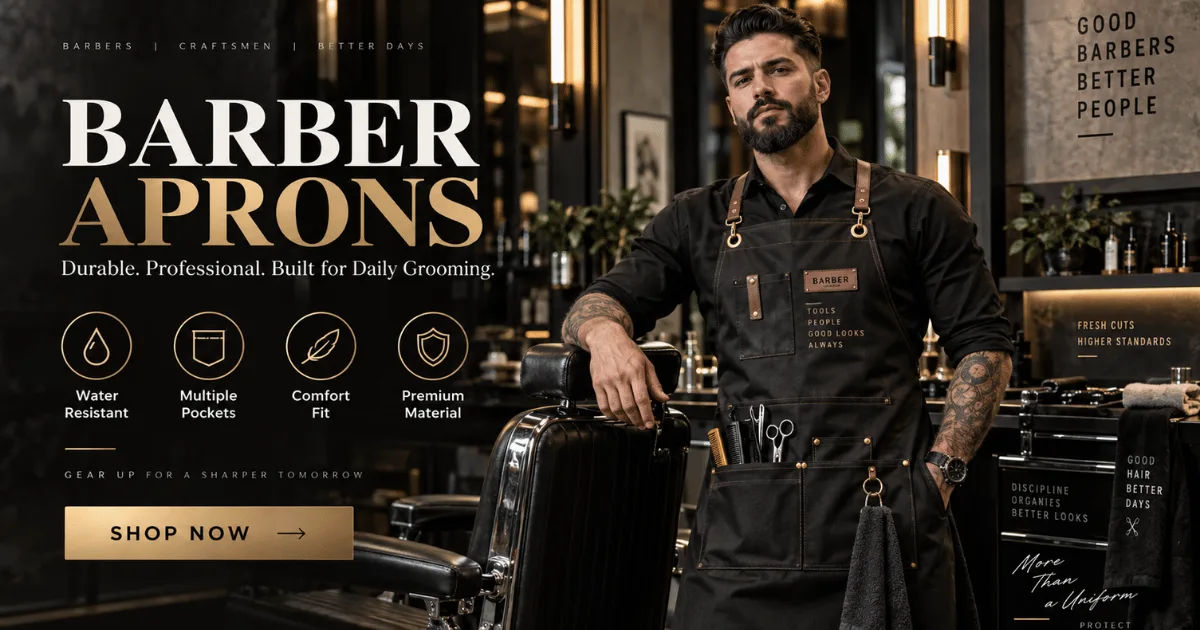
Personalized barber capes are more than protective coverings used during haircuts. They can also act as a practical branding tool for barbershops, salons, and grooming businesses. A shop logo, name, slogan, pattern, or custom artwork can be printed directly onto a cape, giving the finished product a distinctive appearance while keeping hair clippings and styling products away from the customer's clothing.
The printing process is not as simple as putting fabric into an ordinary printer. The material of the cape, the type of artwork, the printing method, color requirements, and expected durability all influence the final result. Understanding these factors makes it easier to choose the right printing method and create a cape that looks professional after repeated use.

What Are Personalized Barber Capes?

A personalized barber capes is usually made from lightweight, water-resistant, or hair-resistant material designed to protect a customer during cutting, shaving, coloring, or other grooming services.

When the cape is personalized, its surface is customized with a specific design. This may include a business logo, barber's name, social media handle, website, slogan, initials, or decorative graphics.

Personalization can range from a small logo placed on the chest area to a large design covering much of the cape. Some businesses choose a simple professional appearance, while others use bold colors and creative artwork to match their shop's identity.

Why Print Custom Designs on Barber Capes?

Branding is one of the biggest reasons businesses invest in custom capes.

A customer may spend a significant amount of time wearing the cape while sitting in front of a mirror. A well-designed logo or business name therefore receives repeated visual exposure.

Creating a Professional Appearance

Matching branded capes can make a barbershop look more organized and established.

Instead of using plain black or generic capes, a shop can create a consistent visual identity. This is particularly useful when the business has specific brand colors or a recognizable logo.

Supporting Brand Recognition

A printed cape can reinforce a brand without requiring additional advertising space.

When customers see the same logo on the shop's signage, social media pages, uniforms, and capes, the branding becomes easier to remember.

Making the Customer Experience More Distinctive

Personalization can also contribute to the overall experience.

A unique cape can make a haircut feel more customized, especially in premium barbershops where attention to presentation is part of the service.

Which Materials Are Used for Barber Capes?

The material has a major effect on how successfully a design can be printed.

Common cape materials include polyester, nylon, and blends of synthetic fabrics. Polyester is particularly popular because it is lightweight, durable, and suitable for several modern printing techniques.

The fabric should also be evaluated for its texture and finish. A very smooth surface can produce a different result from a textured or coated surface.

Water-resistant coatings can also affect ink adhesion. A printer must therefore select a method that is compatible with the actual cape material rather than assuming that every fabric can be printed in the same way.

How Are Personalized Barber Capes Printed?

Several printing methods can be used depending on the fabric and design.

The most common approaches include screen printing, heat transfer, sublimation, and direct-to-garment-style digital printing. However, not every method is equally suitable for every cape.

Screen Printing

Screen printing is a traditional technique that works well for relatively simple designs.

A stencil, or screen, is prepared for each color in the artwork. Ink is then pushed through the appropriate screen onto the cape.

This method can produce strong, bold colors and can be cost-effective when a large number of identical capes are being produced.

The limitation is that complicated artwork with many colors and fine details can require more preparation. For a simple barbershop logo, however, screen printing can be an effective choice.

Heat Transfer Printing

Heat transfer printing uses a printed or cut design that is transferred onto the cape using heat and pressure.

The design is generally prepared on a special transfer material. It is then positioned on the cape and pressed using a heat press.

This technique is useful for smaller production runs because it does not always require the same setup associated with traditional screen printing.

It can also be suitable for names, numbers, logos, and relatively detailed designs.

The quality depends heavily on the transfer material, temperature, pressure, and application time. Incorrect settings can cause poor adhesion, cracking, or premature peeling.

Dye Sublimation

Dye sublimation is particularly useful with polyester fabrics.

Instead of creating a thick layer of ink sitting on top of the fabric, the process uses heat to turn specially formulated dye into a gas that bonds with compatible synthetic fibers.

This makes sublimation attractive for detailed, colorful artwork.

Photographic designs, gradients, patterns, and illustrations can be reproduced effectively with this method.

One important limitation is that sublimation works best with suitable light-colored polyester materials. It is not universally suitable for every cape.

Direct Digital Printing

Digital textile printing can be used to apply detailed artwork directly to suitable fabric surfaces.

The major advantage is flexibility. Designs with multiple colors, gradients, small details, and complex artwork can be reproduced without creating a separate screen for every color.

This can make digital printing attractive for custom or smaller-volume orders.

However, the final quality still depends on the printer, ink, fabric preparation, and finishing process.

What Happens Before Printing?

Good printing starts before the cape reaches the printer.

The first step is usually preparing the artwork.

Preparing the Logo or Artwork

The design should be supplied in a high-quality format whenever possible. Vector artwork is particularly useful for logos because it can be resized without becoming blurry.

The printer may check the dimensions, colors, background, transparency, and overall positioning.

If the artwork contains very small details, those elements may need to be adjusted so they remain visible after printing.

Choosing the Print Location

The design's location matters almost as much as the design itself.

A small logo may work well around the upper chest area. A larger design could be placed across the back.

The printer must also account for closures, seams, pockets, collars, and other features that could interfere with the artwork.

Selecting Colors

Colors should be chosen with the cape material in mind.

A color that looks one way on a computer screen can appear different when printed on fabric. The material's base color can also influence the final appearance.

For professional branding, businesses should use consistent brand colors and provide accurate color references to the printer.

How Is the Cape Prepared for Printing?

The cape normally needs to be clean and properly positioned before printing.

Depending on the printing process, the fabric may require pretreatment or other preparation.

The printer then places the cape into the appropriate equipment. It must remain flat and correctly aligned so that the design is not distorted.

Alignment is especially important when printing logos. Even a high-quality design can look unprofessional if it is noticeably crooked or positioned incorrectly.

Does Printing Affect the Feel of the Cape?

It can.

Different printing methods create different surface characteristics.

Some methods leave a noticeable layer on top of the material, while dye-based processes can produce a softer result because the color becomes integrated with the fabric fibers.

The desired feel depends on the purpose of the cape. A barber may prefer a smooth, flexible surface that does not interfere with folding or cleaning.

This is one reason it is worth discussing the intended use with the printer before choosing a method.

How Durable Are Personalized Barber Capes?

Durability depends on the fabric, ink, printing technique, application quality, and care routine.

Barber capes are exposed to frequent washing, hair clippings, water, styling products, and repeated folding. A design that looks excellent when new must also withstand regular use.

Poor-quality printing can fade, crack, peel, or lose sharpness relatively quickly.

A professionally produced cape using a suitable printing method should generally be more resistant to normal wear.

Still, no printed fabric should be considered completely immune to fading or damage.

How Should Printed Barber Capes Be Washed?

Care instructions depend on the material and printing method.

In general, following the manufacturer's washing instructions is the safest approach.

Harsh chemicals, excessive heat, and aggressive washing can shorten the life of some printed designs. If a cape is repeatedly exposed to high temperatures or strong cleaning agents, both the fabric and print may deteriorate faster.

Proper storage also matters. Folding the cape carefully and avoiding unnecessary heat can help preserve its appearance.

Can Any Design Be Printed?

Not necessarily.

Modern printing can reproduce highly detailed artwork, but there are practical limitations.

Extremely thin lines, tiny text, complicated gradients, or designs with too many small elements may not reproduce clearly at the intended size.

A good printer can identify these problems before production and recommend adjustments.

For this reason, a design should be judged based on its actual printed size rather than only how it looks on a large computer monitor.

How Much Does Custom Cape Printing Cost?

The price varies considerably.

Several factors influence the cost, including the number of capes ordered, material, printing method, number of print locations, design complexity, and customization requirements.

Ordering a larger quantity may reduce the cost per cape because setup and production expenses can be spread across more pieces.

A simple one-color logo may also cost less than a large, full-color design covering most of the cape.

The cheapest option is not always the best choice. If the cape is used every day, durability and print quality may be more important than saving a small amount on the initial order.

How to Choose the Right Printing Method

Start by considering the design rather than choosing a printing method simply because it is popular.

For a simple logo and large production run, screen printing may be practical.

For smaller quantities or personalized names, heat transfer can offer useful flexibility.

For detailed, full-color artwork on suitable polyester fabric, sublimation may be a strong option.

Digital printing can also be useful when the artwork is complex or the order requires greater customization.

The fabric should always be checked before making the final decision.

Common Mistakes to Avoid

One common mistake is submitting a low-resolution logo.

A blurry source file can lead to a poor-looking final print. Another mistake is choosing colors without considering the cape's base material.

Incorrect placement is another issue. A logo that is too close to a seam or closure may look awkward.

It is also important not to ignore care instructions. Even a high-quality print can suffer if the cape is washed or dried in a way that is unsuitable for the material.

Finally, businesses should request a sample or proof when possible, particularly for a large order.

Conclusion

Printing personalized barber capes involves much more than adding a logo to fabric. The material, artwork, print location, colors, printing technology, and finishing process all contribute to the final result.

Screen printing can work well for simple designs and larger quantities, while heat transfers provide flexibility for smaller orders. Sublimation is especially useful for detailed designs on suitable polyester fabrics, and digital printing can handle complex artwork with fewer traditional setup requirements.

The most important step is matching the printing method to the cape material and the intended design. A professional-looking result requires accurate artwork, careful positioning, suitable colors, and proper production settings.

For a barbershop, custom capes can combine practical protection with branding. They help keep customers' clothing protected while creating a more consistent and memorable shop appearance.

Ultimately, the best cape is not simply the one with the most impressive design. It is one that remains comfortable, functional, easy to maintain, and visually consistent after repeated use. When those factors are considered together, personalized barber capes can become a useful part of a barbershop's everyday presentation rather than just another promotional item.
Eleganta Halsband för Kvinnor och Män

Un elegante collar puede ser mucho más que un simple accesorio. Es una pieza que puede reflejar la personalidad, el estilo y la sensibilidad de quien lo lleva. Hoy en día, los collares están disponibles en una gran variedad de diseños, materiales, tamaños y estilos, por lo que tanto mujeres como hombres pueden encontrar opciones que se adapten perfectamente a sus preferencias. Desde modelos minimalistas y discretos hasta diseños llamativos y sofisticados, un collar bien elegido puede completar cualquier conjunto armband med blomma

La elegancia de un collar bien elegido

La principal característica de un collar elegante es su capacidad para complementar el aspecto general sin perder su propia identidad. Un diseño sencillo puede aportar un toque refinado a un conjunto cotidiano, mientras que una pieza más elaborada puede convertirse en el centro de atención durante una ocasión especial.

Para las mujeres, los collares delicados con cadenas finas, pequeños colgantes o detalles brillantes son opciones populares. Pueden combinarse fácilmente con vestidos, blusas, camisas e incluso prendas informales. Los diseños clásicos en tonos dorados o plateados ofrecen una apariencia atemporal y pueden utilizarse durante muchos años sin pasar de moda.

En el caso de los hombres, los collares modernos suelen presentar líneas más marcadas y diseños sencillos. Las cadenas metálicas, los colgantes geométricos y los modelos inspirados en estilos urbanos son alternativas que pueden complementar tanto un atuendo casual como una apariencia más formal. La clave está en encontrar un equilibrio entre el diseño del collar y el resto de la ropa.

Materiales que marcan la diferencia

El material de un collar influye considerablemente en su apariencia y durabilidad. El oro es una elección tradicional asociada con el lujo y la sofisticación. Dependiendo del estilo personal, pueden elegirse diferentes tonos, como oro amarillo, blanco o rosa.

La plata también es una opción muy apreciada debido a su aspecto elegante y versátil. Su tono neutro permite combinarla con una gran variedad de colores y estilos. Además, los collares de plata pueden resultar apropiados tanto para el uso diario como para acontecimientos especiales.

Otros materiales, como el acero inoxidable, ofrecen una alternativa resistente y contemporánea. Son especialmente populares en diseños modernos destinados a hombres, aunque también existen numerosas opciones femeninas. Para quienes buscan una estética diferente, algunos collares incorporan cuero, piedras naturales, perlas o elementos decorativos que aportan personalidad.

Collares para cada ocasión

Elegir un collar adecuado también depende de la ocasión. Para el trabajo o el uso diario, los diseños discretos suelen ser una excelente opción. Una cadena fina o un pequeño colgante puede aportar elegancia sin resultar demasiado llamativo.

Para una cena, una celebración o un evento formal, se puede optar por un diseño más sofisticado. Las piezas con piedras decorativas, detalles brillantes o formas originales pueden complementar perfectamente un vestido elegante o un traje.

También existen collares pensados para ocasiones informales. Los modelos con cadenas gruesas, cuero, símbolos o elementos modernos pueden aportar un carácter más relajado y personal. No existe una única forma correcta de llevar un collar: lo importante es que la pieza se adapte al estilo de quien la utiliza.

Cómo elegir el collar perfecto

Antes de comprar un collar, conviene considerar varios aspectos. El primero es el estilo personal. Una persona que prefiere una apariencia sencilla probablemente se sentirá más cómoda con un diseño minimalista, mientras que alguien que disfruta de accesorios llamativos puede elegir una pieza más grande o decorativa.

La longitud de la cadena también es importante. Los collares cortos suelen destacar la zona del cuello, mientras que los modelos más largos pueden crear una apariencia diferente y combinarse con distintos tipos de prendas.

Además, es recomendable prestar atención a la calidad de los materiales y a los acabados. Un collar bien fabricado no solo tiene una apariencia atractiva, sino que también puede conservar su belleza durante más tiempo si recibe los cuidados adecuados.

Un accesorio que expresa personalidad

Los collares tienen una característica especial: permiten expresar individualidad. Un pequeño colgante puede tener un significado sentimental, mientras que una cadena sencilla puede convertirse en una parte habitual del estilo personal. Algunas personas eligen collares con iniciales, símbolos, fechas o piedras que representan momentos importantes de su vida.

Por esta razón, los collares también son regalos populares. Un diseño cuidadosamente elegido puede transmitir afecto, celebración o un recuerdo especial. Tanto para mujeres como para hombres, un collar puede convertirse en un accesorio con valor emocional además de estético.

En conclusión, los elegantes collares para mujeres y hombres ofrecen innumerables posibilidades para complementar cualquier estilo. La variedad de materiales, diseños, longitudes y acabados permite encontrar una pieza adecuada para cada personalidad y ocasión. Ya sea un modelo delicado para el día a día, una cadena moderna para un estilo urbano o una pieza sofisticada para un evento especial, el collar adecuado puede aportar un toque distintivo y elegante a cualquier apariencia.

Do professional embroidery digitizing services support PES?

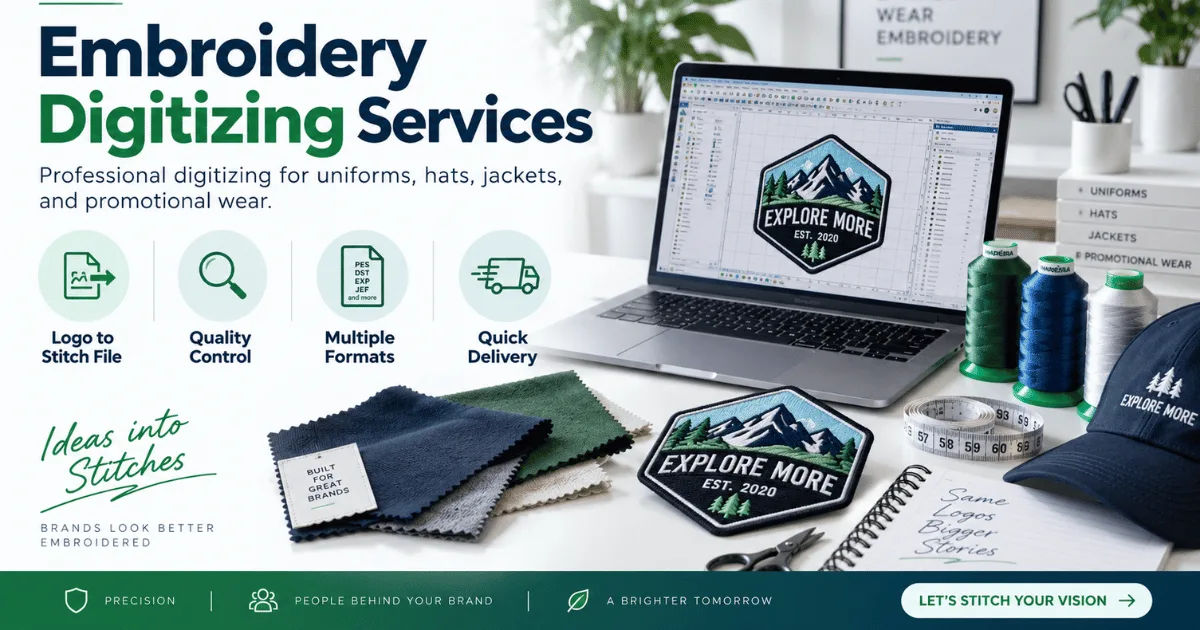
A busy embroidery shop needs more than good machines and quality thread. It also needs accurate designs that stitch cleanly, hold their shape, and look professional on the finished product. This is where professional embroidery digitizing services can make a major difference. Instead of turning artwork into stitch files through trial and error, shops can rely on trained digitizers who understand stitch types, fabric behavior, density, underlay, sequencing, and machine requirements.

For embroidery businesses, good digitizing is not simply a technical step. It affects production speed, product quality, customer satisfaction, material waste, and profit. When a shop receives a well-prepared file, its machines can usually run more smoothly, while operators spend less time fixing problems. The result is a more dependable workflow from artwork submission to finished garment.

What Is Embroidery Digitizing?

Embroidery digitizing is the process of converting artwork, logos, lettering, or other graphics into a digital stitch file that an embroidery machine can read. A digitizer decides how each part of the design should be sewn.

A simple image does not automatically tell a machine where to place stitches. The digitizer must create stitch paths, choose stitch types, set densities, plan thread changes, and arrange the sewing sequence. They must also consider the fabric and the final size of the design.

Different areas may require different techniques. Satin stitches can work well for borders and narrow lettering, while fill stitches are useful for larger shapes. Running stitches may be suitable for fine details. Good digitizing combines these methods so the final embroidery looks balanced rather than bulky or uneven.

Why Shops Need Professional Digitizing

An embroidery shop may have experienced machine operators, but operating a machine and creating a high-quality stitch file are different skills. A strong operator can manage thread, hoops, needles, tension, and machine settings, while a skilled digitizer focuses on how artwork should be constructed in stitches.

Using professional embroidery digitizing services gives shops access to specialized knowledge without requiring every employee to become an advanced digitizer. This can be especially useful for small businesses that receive many different types of artwork.

Professional digitizing can also help shops avoid repeated testing. Poorly prepared files may cause thread breaks, puckering, gaps, excessive density, registration problems, or unnecessary trims. Fixing these issues after production has started can cost more than having the design prepared correctly in the first place.

Better Design Quality

Customers usually judge an embroidery shop by the finished product. If a logo has jagged edges, distorted lettering, uneven fills, or poor registration, the customer may not understand why the problem happened. They simply see a result that does not meet expectations.

Professional embroidery digitizing services help shops produce cleaner designs by planning every stitch area carefully. Digitizers can adjust stitch direction, density, pull compensation, and underlay to suit the artwork and fabric.

This attention to detail is important for logos with small text, curved shapes, outlines, or multiple colors. A design that looks perfect on a computer screen may not stitch well without careful preparation. Professional digitizing bridges that gap between digital artwork and physical embroidery.

Faster Production

Time is one of the most valuable resources in an embroidery shop. When a design file works correctly on the first or second test, production can move forward without unnecessary delays.

A professionally prepared file can reduce the amount of troubleshooting required by operators. There may be fewer thread breaks, fewer stops, fewer manual corrections, and less need to edit the file during production.

This does not mean every professionally digitized design will run perfectly without testing. Fabric, thread, needle choice, hooping, and machine settings still affect the result. However, a strong starting file makes the production process much more predictable.

For shops handling regular customer orders, professional embroidery digitizing services can make it easier to maintain a steady production schedule. Consistent files reduce interruptions and allow employees to concentrate on completing orders rather than repeatedly correcting artwork.

Reduced Material Waste

Embroidery mistakes can waste garments, stabilizer, thread, and machine time. If a design pulls badly or has excessive density, the shop may need to stop production or even replace a garment.

Careful digitizing helps control stitch counts and density. It can also reduce unnecessary movement and trims when the design allows it. Efficient stitch planning means the machine is doing useful work rather than spending excessive time on avoidable details.

For shops handling large orders, even a small reduction in waste can have a noticeable financial effect. Saving material on every garment can improve margins over hundreds or thousands of pieces.

Reliable professional embroidery digitizing services can therefore contribute to better cost control. Although the digitizing fee is an expense, it may help prevent larger expenses caused by rejected garments, repeated samples, and production delays.

Support for Different Fabrics

Not every garment behaves in the same way. Cotton, denim, fleece, jackets, caps, performance fabrics, and stretchy garments can respond differently to embroidery.

A design that works well on a stable woven shirt may need changes when used on a stretchy polo. Soft fabrics may need appropriate underlay and density control to prevent sinking. Heavy materials may require different settings to maintain definition.

Experienced professional embroidery digitizing services consider these differences when preparing files. They can recommend or create adjustments based on the intended application, helping shops avoid treating every fabric as if it were identical.

This flexibility is important for shops that serve different industries. A uniform supplier, for example, may embroider work shirts, jackets, hats, bags, and other products. Each application can require a slightly different approach.

Better Results on Caps and Hats

Caps present special challenges because the embroidery area is curved and the available space is limited. Stitch direction, center placement, sequencing, and density can all affect the final appearance.

Professional digitizing can be especially valuable for cap embroidery. A digitizer may simplify small details, adjust lettering, change stitch angles, and plan the design around the center seam or curved surface.

These adjustments help prevent designs from looking distorted when they are sewn on a curved panel. For shops that regularly embroider hats, reliable digitizing can become an important part of maintaining consistent quality.

A shop using professional embroidery digitizing services can also receive designs that are specifically prepared for the intended cap style. This can be more effective than simply using a standard flat-garment file on a curved surface.

Handling Small and Detailed Logos

Small logos are among the most difficult designs to digitize because there is less physical space for stitches. Tiny letters can close up, thin lines can disappear, and closely packed elements can become difficult to distinguish.

A professional digitizer knows when to simplify artwork rather than attempting to reproduce every tiny detail. Sometimes a small design needs fewer details, wider lettering, or a different stitch approach.

This is one reason professional embroidery digitizing services can help shops accept a wider range of customer artwork. The goal is not always to copy an image exactly. The goal is to create an embroidery version that communicates the same visual identity clearly.

Small lettering deserves particular attention. If text is too small or dense, it may become unreadable after stitching. A skilled digitizer can determine which details should remain and which should be adjusted for embroidery.

Multiple File Formats

Embroidery machines do not all use the same file format. Depending on the machine, a shop may need DST, PES, JEF, EXP, VP3, or another format.

Professional digitizing providers can often prepare the required machine formats from one master design. This is useful for shops serving customers who use different machines or production systems.

Having the right format reduces compatibility problems. It also saves shop employees from spending unnecessary time trying to convert or modify files without knowing whether the conversion will preserve important stitch information.

For shops working with multiple machines, professional embroidery digitizing services can make file management easier. Instead of creating a new design for every machine, the business can request the appropriate formats based on its equipment.

Improved Order Capacity

A shop's capacity is not determined only by the number of embroidery heads it owns. Workflow efficiency matters too.

When artwork is consistently prepared and organized, employees can spend more time producing orders and less time correcting design problems. This can help a shop handle more customer requests during busy periods.

Outsourcing digitizing can also make it easier for a small shop to accept complicated orders. Instead of turning away artwork that requires advanced digitizing, the shop can send it to a specialist and continue focusing on production and customer service.

This makes professional embroidery digitizing services useful for businesses that want to grow without immediately adding more specialized staff. The shop can increase its design capabilities while keeping its internal workflow manageable.

Consistent Branding for Customers

Businesses often order embroidered logos because they want consistent branding across uniforms, caps, jackets, bags, and other products. A logo should look recognizable even when it appears on different items.

A well-built master embroidery file can serve as a reliable foundation for different sizes and applications. The digitizer can make adjustments for each product rather than simply enlarging or shrinking the same stitch file.

This is important because resizing embroidery is not the same as resizing a digital image. A stitch file may need density, stitch length, and detail changes when its dimensions change.

Using professional embroidery digitizing services can help shops create more consistent branding across multiple products. Customers are more likely to appreciate a shop when the same logo maintains a professional appearance from one garment to another.

Better Customer Satisfaction

Customers want their finished products to match the artwork they approved. They also expect orders to be delivered on time.

Reliable digitizing supports both expectations. When designs stitch cleanly, there are fewer production surprises and fewer reasons to remake garments.

Good professional embroidery digitizing services can therefore contribute indirectly to stronger customer relationships. The service provider may never speak to the shop's customer, but the quality of its work can influence what that customer experiences.

Customer satisfaction can also lead to repeat business. When companies receive uniforms or promotional products that look polished, they may return when they need additional items.

Saving Staff Time

Digitizing can be time-consuming, particularly when a design contains several colors, detailed lettering, complicated shapes, or difficult embroidery effects.

When shop employees are responsible for every digitizing task, production management can become harder. A specialist can handle the design preparation while the shop team focuses on hooping, machine operation, finishing, packaging, and customer communication.

This division of work allows employees to concentrate on their strongest skills. It can also reduce interruptions during busy production periods.

For many businesses, professional embroidery digitizing services are therefore a practical way to outsource a specialized task. Employees can focus on production while experienced digitizers handle the technical preparation behind the scenes.

Access to Specialized Techniques

Some embroidery projects require techniques that are not used every day. These may include appliqué, 3D puff, fine lettering, gradients created through stitch effects, specialty underlay, or detailed satin borders.

Professional embroidery digitizing services can provide access to people who regularly work with these techniques. Their experience can help determine whether a particular effect is realistic for embroidery and how it should be constructed.

Specialized knowledge is valuable because embroidery has physical limitations. A design may look simple in artwork but require significant planning when converted into stitches.

A professional digitizer can also suggest practical alternatives. If an effect will not reproduce well at a particular size, the digitizer may recommend simplifying the design or changing the stitch method.

Quality Control and Testing

Testing is another major advantage of professional digitizing. A file can be examined for stitch density, sequencing, jumps, trims, color changes, and potential problem areas before full production.

Whenever possible, shops should test important designs on the actual or a similar fabric. This helps reveal issues that may not be obvious on screen.

A reliable provider may also make revisions after seeing the test result. This creates a feedback loop in which the design becomes better suited to the shop's machine and production conditions.

Good professional embroidery digitizing services understand that quality control is part of the process. The first file may sometimes require adjustments, especially when a design is being prepared for an unfamiliar material or product.

Cost Efficiency for Small Shops

Hiring a full-time digitizer may not make financial sense for every embroidery business. The shop may not have enough design work to keep a specialist occupied every day.

Outsourcing gives smaller businesses access to expertise when they need it. They can pay for specific projects rather than carrying the full cost of an additional employee.

The value becomes even clearer when considering the hidden costs of poor digitizing. Failed samples, wasted garments, machine downtime, rushed corrections, and missed deadlines can all reduce profit.

For this reason, professional embroidery digitizing services can be considered an investment in production efficiency rather than simply another business expense.

How to Choose a Reliable Digitizing Provider

Shops should look beyond low pricing when selecting a provider. Quality, communication, turnaround time, revision policies, file formats, and experience all matter.

Ask whether the provider understands the type of products the shop commonly embroiders. A company experienced with flat garments may not have the same level of expertise with caps, jackets, patches, or specialty items.

It is also useful to review samples. Look closely at small lettering, curves, corners, outlines, and dense areas. Strong samples can provide evidence of the provider's technical ability.

Communication is equally important. The digitizer should be able to ask sensible questions about size, fabric, placement, thread colors, and machine requirements when necessary.

A dependable professional embroidery digitizing services provider should also have a clear revision process. If the test reveals a problem, the shop should know how corrections will be handled and what information needs to be supplied.

Tips for Shops Working With Digitizers

Shops can improve results by sending clean artwork and complete project information. The more useful information the digitizer receives, the easier it is to create a suitable file.

Include the desired finished size, product type, fabric, placement, thread colors, and preferred file format when these details are known. If the design will be used on both caps and flat garments, mention that before digitizing begins.

Shops should also keep approved master files organized. Instead of repeatedly sending slightly different versions of a logo, maintaining a clear naming system can prevent confusion.

It is helpful to keep notes about successful settings and samples as well. Over time, this creates a useful production reference for recurring customer orders.

Clear communication with professional embroidery digitizing services can reduce misunderstandings and help the provider create files that match the shop's actual production needs.

The Business Impact of Professional Digitizing

The value of professional embroidery digitizing services goes beyond the design file itself. Better files can support smoother production, fewer mistakes, stronger product quality, and improved customer confidence.

For a growing shop, these advantages can affect profitability. Faster workflows allow more orders to move through the business. Reduced waste protects material costs. Consistent quality can encourage repeat customers and referrals.

Professional digitizing can also help a shop expand its services. When the business knows it has dependable design support, it may feel more comfortable accepting unusual logos, complex artwork, or larger orders.

A shop that combines good equipment with professional embroidery digitizing services can create a stronger production system. Machines handle the physical stitching, while experienced digitizers help ensure that the instructions sent to those machines are carefully prepared.

PSA Digitizing specializes in converting customer artwork into clean and professional embroidery files suitable for machine stitching. As a trusted embroidery digitizing company, it creates files in formats such as DST, PES, JEF, and other commonly requested types. Based in Clarkston, Georgia, USA, the team combines experienced craftsmanship with modern digitizing software to produce accurate designs while keeping its services practical and affordable.

With a 4.5+ star rating on Trustpilot, PSA Digitizing has earned recognition from embroidery businesses, decorators, and hobbyists looking for dependable digitizing support. Whether you need a company logo digitized, a custom patch prepared, or artwork converted into a machine-ready file, the goal is to provide precise work, quick turnaround, and a simple customer experience. Visit psadigitizing.com and get started today.

Conclusion

Professional embroidery is a combination of art, technology, machine operation, and production planning. A quality embroidery machine cannot compensate for a poorly constructed stitch file, just as a beautiful design cannot become a strong embroidered product without suitable digitizing.

For this reason, professional embroidery digitizing services are valuable partners for many embroidery shops. They help transform artwork into practical stitch files that are designed with fabric, machine behavior, stitch structure, and finished appearance in mind.

The benefits can appear at every stage of the workflow. Better digitizing can improve design quality, reduce production problems, limit material waste, support different fabrics and products, and save staff time. It can also make it easier for shops to manage detailed logos, caps, small lettering, multiple file formats, and specialty embroidery techniques.

The right provider should be viewed as more than someone who converts images into embroidery files. A skilled digitizer contributes technical knowledge that can improve how a shop produces and delivers its work.

For small businesses, outsourcing can provide specialized expertise without the expense of maintaining a full-time digitizer. For larger shops, it can increase capacity and provide additional support during busy periods.

Ultimately, successful embroidery depends on consistency. When artwork is digitized carefully and tested appropriately, shops have a stronger foundation for producing attractive, durable, and repeatable results. Investing in professional embroidery digitizing services can therefore be a practical business decision, helping embroidery shops protect quality, save time, satisfy customers, and build a more efficient production process.

سالن زیبایی در زعفرانیه؛ معرفی مونلیا بیوتی

نتخاب یک مرکز حرفه‌ای برای دریافت خدمات زیبایی، تأثیر زیادی بر نتیجه نهایی و تجربه شما دارد. کیفیت مواد مصرفی، مهارت متخصصان، رعایت اصول بهداشتی، برخورد مناسب پرسنل و توجه به خواسته‌های مراجعه‌کننده، از مهم‌ترین عواملی هستند که هنگام انتخاب سالن باید در نظر گرفته شوند. اگر به دنبال سالن زیبایی در زعفرانیه هستید، مونلیا بیوتی یکی از مجموعه‌هایی است که با ارائه خدمات متنوع در زمینه مو، ناخن، پوست و آرایش، توانسته توجه بسیاری از بانوان را جلب کند  .

مونلیا بیوتی در زعفرانیه تهران، محیطی شیک، آرام و تمیز برای ارائه خدمات زیبایی بانوان فراهم کرده است. هدف این مجموعه، ارائه خدمات تخصصی با توجه به فرم چهره، جنس مو، سلیقه فردی و نیاز هر مراجعه‌کننده است. به همین دلیل، پیش از انجام بسیاری از خدمات، مشاوره لازم درباره انتخاب رنگ، مدل مو، میزان آسیب‌پذیری مو و نتیجه قابل انتظار ارائه می‌شود. سالن های زیبایی زعفرانیه

مونلیا بیوتی؛ انتخابی مناسب در میان سالن های زیبایی زعفرانیه
در میان سالن های زیبایی زعفرانیه، تنوع خدمات و کیفیت اجرای کار اهمیت زیادی دارد. بسیاری از مراجعه‌کنندگان ترجیح می‌دهند به جای مراجعه به مراکز مختلف، تمام خدمات زیبایی مورد نیاز خود را در یک مجموعه دریافت کنند. مونلیا بیوتی با فعالیت در چندین لاین تخصصی، این امکان را فراهم کرده است تا خدمات مو، ناخن و زیبایی بانوان در محیطی منظم و حرفه‌ای ارائه شود.

بر اساس نظر مراجعه‌کنندگان، خدمات رنگ و لایت، کوتاهی مو، ناخن و شینیون در این مجموعه با دقت و ظرافت انجام می‌شود. همچنین بسیاری از مشتریان از برخورد محترمانه پرسنل، فضای آرام سالن و توجه متخصصان به سلامت مو رضایت داشته‌اند. امتیاز بالای ثبت‌شده برای این مجموعه و تجربه‌های مثبت کاربران، می‌تواند برای افرادی که در حال بررسی سالن های زیبایی در زعفرانیه هستند، نشانه‌ای از رضایت مراجعه‌کنندگان باشد.

خدمات تخصصی مو در سالن زیبایی مونلیا
مو یکی از مهم‌ترین بخش‌های خدمات هر سالن زیبایی است. در مونلیا بیوتی، خدمات مختلفی برای تغییر رنگ، اصلاح، حالت‌دهی و احیای مو ارائه می‌شود. رنگ و مش، هایلایت، آمبره و بالیاژ از جمله خدمات محبوب این، هایلایت، آمبره و بالیاژ از جمله خدمات محبوب این بررسی وضعیت مو نیاز دارد.

در خدمات رنگ و لایت، پیش از شروع کار، تناژ مناسب با رنگ پوست، فرم چهره و سلیقه مشتری بررسی می‌شود. اگر موها دچار خشکی یا آسیب باشند، متخصص می‌تواند درباره روش مناسب و مراقبت‌های لازم راهنمایی کند. بسیاری از مراجعه‌کنندگان مونلیا بیوتی، از طبیعی بودن رنگ، تمیزی لایت‌ها و حفظ سلامت مو پس از انجام خدمات رضایت داشته‌اند.

خدمات دیگری مانند شینیون، کراتینه، بوتاکس مو، احیای مو، صافی، ریباندینگ، کوتاهی حرفه‌ای، براشینگ و اکستنشن نیز در این مجموعه ارائه می‌شود. کوتاهی مو می‌تواند با توجه به فرم صورت و حالت طبیعی مو انجام شود تا مدل نهایی، تناسب بیشتری با چهره فرد داشته باشد. برای مراسم مدل نهایی، تناسب بیشتری با چهره فرد داشته باشد. برای مراسم مدل لباس، فرم صورت و نوع مراسم قابل اجراست.

رنگ، لایت و بالیاژ با توجه به سلامت مو
رنگ کردن مو، به‌خصوص در تکنیک‌هایی مانند دکلره، آمبره و بالیاژ، باید با دقت و مهارت انجام شود. استفاده از مواد نامناسب یا اجرای نادرست می‌تواند باعث خشکی، شکنندگی و کاهش کیفیت مو شود. یکی از نکاتی که در تجربه کاربران درباره مونلیا بیوتی مورد توجه قرار گرفته، توجه به سلامت مو در کنار ایجاد رنگی زیبا و متناسب است.

متخصصان سالن پیش از شروع کار، وضعیت مو را بررسی می‌کنند و درباره پایه رنگ، میزان روشن شدن و مراقبت‌های بعد از رنگ توضیح می‌دهند. این روند باعث می‌شود مشتری با آگاهی بیشتری تصمیم بگیرد و انتظار واقع‌بینانه‌ای از نتیجه داشته باشد. اگر به دنبال آرایشگاه زنانه در زعفرانیه برای رنگ و لایت، آمبره یا بالیاژ هستید، بررسی نمونه‌کارها و دریافت مشاوره پیش از رزرو نوبت می‌تواند به انتخاب بهتر کمک کند.

خدمات ناخن در آرایشگاه زنانه در زعفرانیه
خدمات ناخن، بخش دیگری از فعالیت‌های مونلیا بیوتی است. کاشت ناخن، ترمیم، لمینت ژلیشش و کاور از خدماتی هستند که برای زیبایی و مرتب بودن ناخن‌ها ارائه می‌شوند. انتخاب روش مناسب به وضعیت ناخن طبیعی، میزان استحکام آن و سلیقه مشتری بستگی دارد.

در کاشت یا کاور ناخن، فرم و طول ناخن می‌تواند بر اساس سبک شخصی و شرایط روزمره فرد انتخاب شود. برخی افراد مدل‌های کوتاه و طبیعی را ترجیح می‌دهند و برخی دیگر به طراحی‌های ظریف یا فرم‌های بلند علاقه دارند. رعایت بهداشت ابزار و اجرای تمیز خدمات، اهمیت زیادی دارد؛ زیرا ناخن‌ها علاوه بر زیبایی، نیازمند مراقبت اصولی هستند.

اگر عبارت ارایشگاه در زعفرانیه را جست‌وجو می‌کنید و به دنبال مجموعه‌ای هستید که خدمات ناخن را نیز در کنار خدمات مو ارائه دهد، مونلیا بیوتی می‌تواند یکی از گزینه‌های قابل بررسی باشد. بهتر است پیش از مراجعه، نوع خدمت، زمان مورد نیاز و شرایط انجام آن را از سالن بپرسید.

محیط آرام و برخورد حرفه‌ای
محیط سالن زیبایی، نقش مهمی در رضایت مراجعه‌کننده دارد. تمیزی فضا، نظم در نوبت‌دهی، برخورد محترمانه و توضیح مراحل کار، باعث می‌شود مشتری احساس آرامش و اعتماد بیشتری داشته باشد. طبق نظرات ثبت‌شده در صفحه مونلیا بیوتی، فضای این سالن برای بسیاری از مراجعه‌کنندگان آرام، صمیمی و تمیز بوده است.

همچنین مشاوره قبل از انجام خدمات به مشتری کمک می‌کند تا درباره انتخاب رنگ، مدل کوتاهی، روش احیای مو یا نوع خدمات ناخن تصمیم مناسب‌تری بگیرد. ارتباط درست میان متخصص و مراجعه‌کننده، یکی از عوامل مهم برای رسیدن به نتیجه مطلوب است.

چرا مونلیا بیوتی را انتخاب کنیم؟
مونلیا بیوتی با ارائه خدمات متنوع، استفاده از مواد باکیفیت و بهره‌گیری از کادر باتجربه، یکی از گزینه‌های مناسب برای افرادی است که به دنبال سالن زیبایی در زعفرانیه هستند. خدمات تخصصی رنگ و لایت، کوتاهی، شینیون، احیای مو، کراتینه، ناخن و سایر خدمات زیبایی، این مجموعه را به انتخابی کاربردی برای بانوان تبدیل کرده است.

اگر قصد دارید رنگ مو، هایلایت، بالیاژ، کوتاهی یا خدمات ناخن انجام دهید، بهتر است ابتدا نیاز خود را مشخص کنید و سپس برای مشاوره و رزرو نوبت اقدام نمایید. مشاهده نظرات مشتریان نیز می‌تواند دید مناسبی درباره کیفیت خدمات به شما بدهد.

در نهایت، مونلیا بیوتی برای افرادی که به دنبال سالن های زیبایی در زعفرانیه با فضای حرفه‌ای، خدمات متنوع و توجه به خواسته‌های مشتری هستند، گزینه‌ای قابل بررسی است. برای آشنایی بیشتر با خدمات و مشاهده اطلاعات این مجموعه، می‌توانید به صفحه مونلیا بیوتی در سایت صداقت مراجعه کنید و پیش از حضور، درباره خدمات مورد نظر خود هماهنگی لازم را انجام دهید.

How does private label activewear manufacturer work?

The private label activewear business has become a practical way for fitness brands, gyms, online stores, and new entrepreneurs to sell clothing without building their own factory.

Private labeling is especially useful when a brand wants control over its identity but does not want to invest heavily in machinery, fabric sourcing, cutting equipment, sewing teams, quality-control staff, and packaging operations. The manufacturer handles the production side while the brand focuses more on design, marketing, sales, and customer relationships.

Understanding how this process works is important before placing an order. Private label manufacturing is not simply choosing a ready-made pair of leggings and adding a logo. Depending on the supplier, it can involve fabric selection, pattern development, sampling, branding, production, inspection, packaging, and shipping.

What Is Private Label Activewear Manufacturing?

Private label activewear manufacturing means a manufacturer produces fitness clothing for a business, but the finished products are sold under that business's own brand.

The manufacturer may already have standard garment designs available. The brand can select one of those designs and customize elements such as fabric, colors, labels, logos, prints, trims, and packaging.

Some manufacturers also develop completely new garments based on a brand's specifications. This provides more control over fit and appearance, although it usually requires more development work and may increase costs.

The key idea is that the manufacturing company remains behind the production process while the customer-facing brand remains the identity visible to shoppers.

How the Private Label Process Works

A typical private label project follows several stages. The exact process differs between manufacturers, but most professional suppliers follow a similar structure.

1. The Brand Shares Its Requirements

The process usually starts with a product brief.

A brand explains what it wants to manufacture. This could be women's leggings, sports bras, men's gym shorts, compression tops, tracksuits, cycling clothing, or other performance garments.

The brief may include:

  • Product type

  • Target customer

  • Fabric preference

  • Color requirements

  • Size range

  • Logo placement

  • Branding requirements

  • Quantity

  • Packaging preferences

  • Delivery expectations

The more detailed the initial information is, the easier it becomes for the manufacturer to provide an accurate quotation.

A vague request such as "I need gym clothes" does not give the factory enough information to calculate materials, labor, development time, or production requirements.

2. Product Design Is Reviewed

After receiving the requirements, the manufacturer reviews the design.

If the customer has technical drawings, sketches, reference photos, or existing samples, these can help explain the desired product.

A good manufacturer will look beyond appearance. Activewear needs to perform during movement, stretching, running, lifting, and repeated washing.

For example, leggings may need enough stretch to allow squats without becoming uncomfortable. A sports bra needs suitable support and recovery. A running top may need lightweight, breathable fabric.

This is where experienced manufacturing knowledge becomes valuable.

Choosing the Right Fabric

Fabric selection is one of the most important parts of activewear production.

Different activities require different material characteristics. A fabric that works well for casual yoga clothing may not be ideal for intense training.

Common activewear materials include polyester, nylon, elastane, and blends of these fibers.

Stretch and Recovery

Stretch allows garments to move with the body. Recovery determines how well the fabric returns to its original shape after stretching.

Poor recovery can cause leggings or tops to become loose after repeated use.

Moisture Management

Fitness clothing often needs to move sweat away from the skin and allow moisture to evaporate.

This is particularly important for running, gym training, cycling, and other high-intensity activities.

Opacity

Leggings require careful testing for opacity.

A fabric may look completely opaque while standing normally but become more transparent when stretched. Professional manufacturers should consider this during sampling and quality checks.

Weight and Comfort

Heavy fabric may provide structure but feel uncomfortable during intense exercise.

Very lightweight fabric can feel comfortable but may not provide enough support or durability.

The right choice depends on the product's intended use.

3. Sampling Comes Before Bulk Production

A sample is one of the most important stages of private label manufacturing.

Brands should not assume that a design will be perfect simply because the technical drawing looks correct.

The manufacturer creates a physical sample so the brand can inspect the actual garment.

The sample can reveal problems that are difficult to identify on paper.

For example, the waistband may be too tight, the armhole may need adjustment, the fabric may stretch differently than expected, or the logo may appear too large.

Fit Testing

Fit should be checked across the intended size range.

A garment that fits correctly in one size may not automatically grade properly into larger or smaller sizes.

Brands should pay attention to areas such as:

  • Waistband tension

  • Inseam length

  • Rise

  • Bust coverage

  • Shoulder width

  • Armhole shape

  • Compression

  • Pocket placement

  • Overall mobility

For activewear, fit is not just about appearance. It directly affects performance and customer satisfaction.

4. Branding Is Added

Private label manufacturing becomes distinctive when the manufacturer's production is combined with the brand's identity.

Branding can include woven labels, printed labels, heat-transfer logos, embroidery, hangtags, care labels, size labels, and branded packaging.

The appropriate technique depends on the garment.

A large embroidered logo might be uncomfortable on a stretch fitness top. A heat-transfer logo may be more suitable for certain performance garments.

Care labels are also important because customers need washing and maintenance instructions.

A professional custom activewear / fitness clothing manufacturer should be able to discuss branding options instead of simply applying the same technique to every garment.

5. Pattern Development and Grading

Once the sample is approved, the manufacturer prepares production patterns.

The pattern determines how individual fabric pieces will be cut and assembled.

Pattern accuracy matters because small errors can affect the final fit.

The manufacturer also creates graded sizes when multiple sizes are required.

For example, a brand might order XS through XXL. Each size needs appropriate measurements rather than simply increasing every measurement by the same amount.

Good grading helps maintain the intended shape across the entire size range.

6. Bulk Production Begins

After the sample is approved and the production details are confirmed, the manufacturer begins bulk production.

The first step is usually fabric preparation and cutting.

Large quantities of fabric are laid out and cut according to the approved patterns.

Cutting accuracy is important because inconsistent pieces can create sizing problems and fabric waste.

The cut pieces are then sent to sewing and assembly.

Sewing and Construction

Different activewear products require different construction techniques.

Leggings may involve multiple panels, reinforced seams, elastic waistbands, gussets, and pockets.

Sports bras may require elastic bands, lining, support panels, removable cups, and specialized stitching.

Performance tops can involve flat seams, mesh panels, reflective elements, or ventilation zones.

The manufacturer needs to match construction methods to the garment's intended use.

Quality Control During Production

Quality control should not happen only after everything has been manufactured.

Experienced factories often monitor quality at different production stages.

Workers may check fabric defects before cutting. Sewing lines can inspect seams during assembly. Finished garments can then receive a final inspection.

Typical checks include:

  • Measurement accuracy

  • Stitch quality

  • Seam strength

  • Fabric defects

  • Color consistency

  • Logo placement

  • Label accuracy

  • Packaging

  • General appearance

For activewear, stretch and seam performance are particularly important.

A garment can look excellent on a hanger and still fail when a customer starts exercising. That is why construction quality matters.

Understanding Minimum Order Quantities

Minimum order quantity, commonly called MOQ, is an important issue for private label brands.

Manufacturers set MOQs for different reasons.

Fabric suppliers may require minimum quantities. Production lines become more efficient when manufacturing larger batches. Labels, packaging, dyeing, and other customized components may also have minimum requirements.

Some factories offer relatively low MOQs for startups, while others focus on larger commercial orders.

Brands should ask whether the MOQ applies per style, color, size, or total order.

For example, ordering 300 pieces may sound manageable, but if the factory requires 300 pieces per color, the actual commitment can become much larger.

Customization Levels Can Differ

Not every private label manufacturer provides the same level of customization.

Some offer a catalog of existing designs with limited changes.

Others allow customers to modify fabric, colors, trims, measurements, labels, packaging, and construction.

At the highest level, a brand can develop a completely original product.

This distinction matters because a company looking for a unique collection should not choose a supplier that only applies logos to standard garments.

A capable custom activewear / fitness clothing manufacturer can help bridge the gap between an existing factory style and a fully customized product.

Packaging and Presentation

Packaging is often overlooked during manufacturing discussions.

Yet packaging is part of the customer's first impression.

Private label brands may request custom polybags, branded boxes, hangtags, tissue paper, stickers, thank-you cards, or other presentation materials.

Packaging requirements should be discussed before production rather than added at the last minute.

If the packaging needs custom printing, it may have its own MOQ and production timeline.

Pricing and Cost Factors

Private label pricing depends on several variables.

The garment itself is only one part of the calculation.

Important cost factors include fabric type, garment complexity, order quantity, customization, printing, labels, packaging, sampling, and shipping.

A simple pair of basic shorts will normally require less production work than a multi-panel compression garment with pockets, special seams, custom trims, and multiple branding elements.

Brands should compare complete quotations rather than focusing only on the per-piece price.

A supplier offering a very low garment price may charge separately for sampling, labels, packaging, setup, or other services.

Communication With the Manufacturer

Communication can make or break a private label project.

The manufacturer should understand what the brand wants before production begins.

Technical specifications should be written clearly.

Measurements, fabric composition, colors, logo dimensions, placement, labels, packaging, and quantities should be confirmed in writing.

It is also useful to maintain an approved sample or specification sheet as a reference.

This reduces the chance of production gradually drifting away from the original design.

Lead Times and Production Planning

Private label orders require planning because manufacturing involves several stages.

Sampling takes time. Fabric sourcing takes time. Custom labels and packaging may take additional time. Bulk production and quality inspection add more time.

Brands should therefore avoid promising customers a delivery date before confirming realistic production and shipping schedules.

Rushing production can also create quality problems.

A better approach is to build some buffer into the launch schedule.

If the collection is connected to a seasonal campaign, fitness event, product launch, or marketing campaign, production should begin early enough to accommodate revisions.

How Brands Should Evaluate a Manufacturer

Choosing a manufacturer should involve more than asking for the cheapest quote.

A brand should investigate whether the factory can produce the type of activewear it needs.

Questions worth asking include:

Does the Factory Have Relevant Experience?

A manufacturer experienced with fashion garments may not necessarily be experienced with performance clothing.

Activewear requires knowledge of stretch fabrics, recovery, movement, seam construction, and performance requirements.

Can They Provide Samples?

A manufacturer unwilling or unable to provide a proper development sample can be difficult to work with.

Sampling gives both sides an opportunity to identify problems before committing to a larger order.

Can They Handle Custom Branding?

Ask specifically about labels, logos, packaging, hangtags, and other branding requirements.

How Do They Handle Quality Control?

A factory should be able to explain its inspection process.

Vague answers are worth treating cautiously.

Common Mistakes New Brands Make

One common mistake is choosing a manufacturer based entirely on price.

The cheapest quotation may not produce the cheapest finished product if the garments have quality problems, inconsistent sizing, or poor construction.

Another mistake is skipping proper sample testing.

A beautiful product photo does not guarantee a comfortable garment.

Some brands also order too many variations at the beginning. Launching with a huge number of styles, colors, and sizes can tie up cash in inventory.

Starting with a focused collection can make inventory management easier.

The Role of a Manufacturer in Brand Growth

A private label manufacturer is not simply a place where a brand buys clothing.

The right production partner can become part of the brand's development process.

As sales grow, the manufacturer may help increase quantities, introduce new styles, improve construction, develop seasonal collections, and maintain consistency.

However, brands should still maintain control over their specifications and quality standards.

The manufacturer produces the product, but the brand owns the customer relationship and reputation.

Conclusion

Private label activewear manufacturing works by allowing a brand to outsource garment production while selling the finished products under its own identity. The process can begin with a simple existing design or develop into a fully customized product from the ground up.

The usual workflow includes product planning, fabric selection, design development, sampling, fitting, branding, pattern preparation, bulk production, quality control, packaging, and shipping. Each stage matters because activewear needs to look good while also performing under movement and repeated use.

For a new fitness brand, choosing the right custom activewear / fitness clothing manufacturer can make the difference between a product that merely looks attractive and one that customers genuinely want to wear again.

The best approach is to treat manufacturing as a development partnership rather than a simple purchasing transaction. Review samples carefully, confirm specifications, understand MOQs, test fabrics, discuss branding, inspect quality, and plan production timelines realistically.

A manufacturer that communicates clearly and consistently can help a growing brand turn its concepts into dependable products. When design, material, construction, branding, and quality control are handled properly, private label manufacturing gives businesses a practical way to build an activewear collection without owning their own production facility.

A successful private label project ultimately depends on preparation. The clearer the product requirements are before production starts, the fewer surprises the brand is likely to face later. That makes the manufacturing process more predictable and gives the finished collection a much better chance of meeting both the brand's standards and its customers' expectations.