

The private label activewear business has become a practical way for fitness brands, gyms, online stores, and new entrepreneurs to sell clothing without building their own factory. 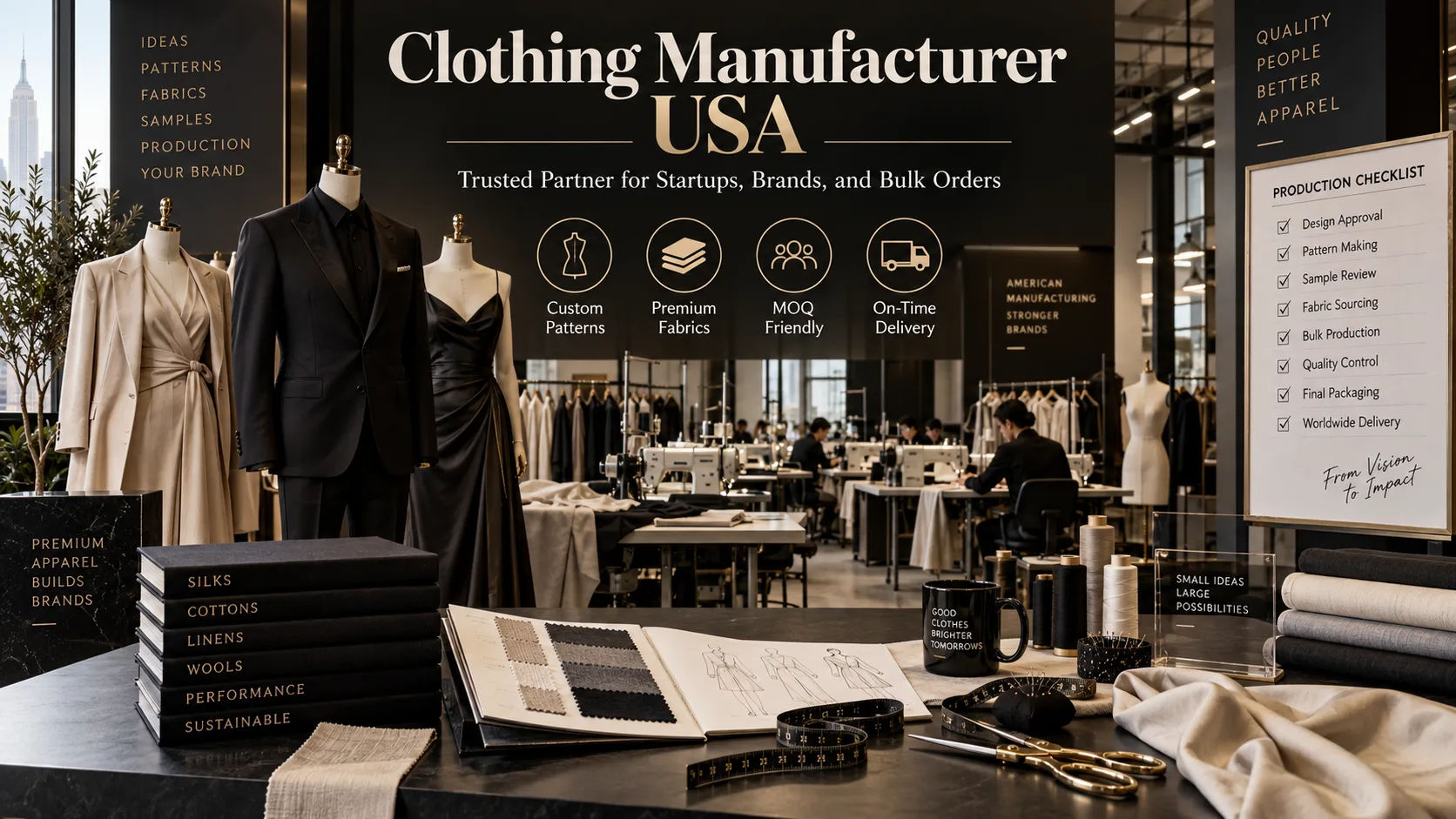
Private labeling is especially useful when a brand wants control over its identity but does not want to invest heavily in machinery, fabric sourcing, cutting equipment, sewing teams, quality-control staff, and packaging operations. The manufacturer handles the production side while the brand focuses more on design, marketing, sales, and customer relationships.
Understanding how this process works is important before placing an order. Private label manufacturing is not simply choosing a ready-made pair of leggings and adding a logo. Depending on the supplier, it can involve fabric selection, pattern development, sampling, branding, production, inspection, packaging, and shipping.
What Is Private Label Activewear Manufacturing?
Private label activewear manufacturing means a manufacturer produces fitness clothing for a business, but the finished products are sold under that business's own brand.
The manufacturer may already have standard garment designs available. The brand can select one of those designs and customize elements such as fabric, colors, labels, logos, prints, trims, and packaging.
Some manufacturers also develop completely new garments based on a brand's specifications. This provides more control over fit and appearance, although it usually requires more development work and may increase costs.
The key idea is that the manufacturing company remains behind the production process while the customer-facing brand remains the identity visible to shoppers.
How the Private Label Process Works
A typical private label project follows several stages. The exact process differs between manufacturers, but most professional suppliers follow a similar structure.
1. The Brand Shares Its Requirements
The process usually starts with a product brief.
A brand explains what it wants to manufacture. This could be women's leggings, sports bras, men's gym shorts, compression tops, tracksuits, cycling clothing, or other performance garments.
The brief may include:
-
Product type
-
Target customer
-
Fabric preference
-
Color requirements
-
Size range
-
Logo placement
-
Branding requirements
-
Quantity
-
Packaging preferences
-
Delivery expectations
The more detailed the initial information is, the easier it becomes for the manufacturer to provide an accurate quotation.
A vague request such as "I need gym clothes" does not give the factory enough information to calculate materials, labor, development time, or production requirements.
2. Product Design Is Reviewed
After receiving the requirements, the manufacturer reviews the design.
If the customer has technical drawings, sketches, reference photos, or existing samples, these can help explain the desired product.
A good manufacturer will look beyond appearance. Activewear needs to perform during movement, stretching, running, lifting, and repeated washing.
For example, leggings may need enough stretch to allow squats without becoming uncomfortable. A sports bra needs suitable support and recovery. A running top may need lightweight, breathable fabric.
This is where experienced manufacturing knowledge becomes valuable.
Choosing the Right Fabric
Fabric selection is one of the most important parts of activewear production.
Different activities require different material characteristics. A fabric that works well for casual yoga clothing may not be ideal for intense training.
Common activewear materials include polyester, nylon, elastane, and blends of these fibers.
Stretch and Recovery
Stretch allows garments to move with the body. Recovery determines how well the fabric returns to its original shape after stretching.
Poor recovery can cause leggings or tops to become loose after repeated use.
Moisture Management
Fitness clothing often needs to move sweat away from the skin and allow moisture to evaporate.
This is particularly important for running, gym training, cycling, and other high-intensity activities.
Opacity
Leggings require careful testing for opacity.
A fabric may look completely opaque while standing normally but become more transparent when stretched. Professional manufacturers should consider this during sampling and quality checks.
Weight and Comfort
Heavy fabric may provide structure but feel uncomfortable during intense exercise.
Very lightweight fabric can feel comfortable but may not provide enough support or durability.
The right choice depends on the product's intended use.
3. Sampling Comes Before Bulk Production
A sample is one of the most important stages of private label manufacturing.
Brands should not assume that a design will be perfect simply because the technical drawing looks correct.
The manufacturer creates a physical sample so the brand can inspect the actual garment.
The sample can reveal problems that are difficult to identify on paper.
For example, the waistband may be too tight, the armhole may need adjustment, the fabric may stretch differently than expected, or the logo may appear too large.
Fit Testing
Fit should be checked across the intended size range.
A garment that fits correctly in one size may not automatically grade properly into larger or smaller sizes.
Brands should pay attention to areas such as:
-
Waistband tension
-
Inseam length
-
Rise
-
Bust coverage
-
Shoulder width
-
Armhole shape
-
Compression
-
Pocket placement
-
Overall mobility
For activewear, fit is not just about appearance. It directly affects performance and customer satisfaction.
4. Branding Is Added
Private label manufacturing becomes distinctive when the manufacturer's production is combined with the brand's identity.
Branding can include woven labels, printed labels, heat-transfer logos, embroidery, hangtags, care labels, size labels, and branded packaging.
The appropriate technique depends on the garment.
A large embroidered logo might be uncomfortable on a stretch fitness top. A heat-transfer logo may be more suitable for certain performance garments.
Care labels are also important because customers need washing and maintenance instructions.
A professional custom activewear / fitness clothing manufacturer should be able to discuss branding options instead of simply applying the same technique to every garment.
5. Pattern Development and Grading
Once the sample is approved, the manufacturer prepares production patterns.
The pattern determines how individual fabric pieces will be cut and assembled.
Pattern accuracy matters because small errors can affect the final fit.
The manufacturer also creates graded sizes when multiple sizes are required.
For example, a brand might order XS through XXL. Each size needs appropriate measurements rather than simply increasing every measurement by the same amount.
Good grading helps maintain the intended shape across the entire size range.
6. Bulk Production Begins
After the sample is approved and the production details are confirmed, the manufacturer begins bulk production.
The first step is usually fabric preparation and cutting.
Large quantities of fabric are laid out and cut according to the approved patterns.
Cutting accuracy is important because inconsistent pieces can create sizing problems and fabric waste.
The cut pieces are then sent to sewing and assembly.
Sewing and Construction
Different activewear products require different construction techniques.
Leggings may involve multiple panels, reinforced seams, elastic waistbands, gussets, and pockets.
Sports bras may require elastic bands, lining, support panels, removable cups, and specialized stitching.
Performance tops can involve flat seams, mesh panels, reflective elements, or ventilation zones.
The manufacturer needs to match construction methods to the garment's intended use.
Quality Control During Production
Quality control should not happen only after everything has been manufactured.
Experienced factories often monitor quality at different production stages.
Workers may check fabric defects before cutting. Sewing lines can inspect seams during assembly. Finished garments can then receive a final inspection.
Typical checks include:
-
Measurement accuracy
-
Stitch quality
-
Seam strength
-
Fabric defects
-
Color consistency
-
Logo placement
-
Label accuracy
-
Packaging
-
General appearance
For activewear, stretch and seam performance are particularly important.
A garment can look excellent on a hanger and still fail when a customer starts exercising. That is why construction quality matters.
Understanding Minimum Order Quantities
Minimum order quantity, commonly called MOQ, is an important issue for private label brands.
Manufacturers set MOQs for different reasons.
Fabric suppliers may require minimum quantities. Production lines become more efficient when manufacturing larger batches. Labels, packaging, dyeing, and other customized components may also have minimum requirements.
Some factories offer relatively low MOQs for startups, while others focus on larger commercial orders.
Brands should ask whether the MOQ applies per style, color, size, or total order.
For example, ordering 300 pieces may sound manageable, but if the factory requires 300 pieces per color, the actual commitment can become much larger.
Customization Levels Can Differ
Not every private label manufacturer provides the same level of customization.
Some offer a catalog of existing designs with limited changes.
Others allow customers to modify fabric, colors, trims, measurements, labels, packaging, and construction.
At the highest level, a brand can develop a completely original product.
This distinction matters because a company looking for a unique collection should not choose a supplier that only applies logos to standard garments.
A capable custom activewear / fitness clothing manufacturer can help bridge the gap between an existing factory style and a fully customized product.
Packaging and Presentation
Packaging is often overlooked during manufacturing discussions.
Yet packaging is part of the customer's first impression.
Private label brands may request custom polybags, branded boxes, hangtags, tissue paper, stickers, thank-you cards, or other presentation materials.
Packaging requirements should be discussed before production rather than added at the last minute.
If the packaging needs custom printing, it may have its own MOQ and production timeline.
Pricing and Cost Factors
Private label pricing depends on several variables.
The garment itself is only one part of the calculation.
Important cost factors include fabric type, garment complexity, order quantity, customization, printing, labels, packaging, sampling, and shipping.
A simple pair of basic shorts will normally require less production work than a multi-panel compression garment with pockets, special seams, custom trims, and multiple branding elements.
Brands should compare complete quotations rather than focusing only on the per-piece price.
A supplier offering a very low garment price may charge separately for sampling, labels, packaging, setup, or other services.
Communication With the Manufacturer
Communication can make or break a private label project.
The manufacturer should understand what the brand wants before production begins.
Technical specifications should be written clearly.
Measurements, fabric composition, colors, logo dimensions, placement, labels, packaging, and quantities should be confirmed in writing.
It is also useful to maintain an approved sample or specification sheet as a reference.
This reduces the chance of production gradually drifting away from the original design.
Lead Times and Production Planning
Private label orders require planning because manufacturing involves several stages.
Sampling takes time. Fabric sourcing takes time. Custom labels and packaging may take additional time. Bulk production and quality inspection add more time.
Brands should therefore avoid promising customers a delivery date before confirming realistic production and shipping schedules.
Rushing production can also create quality problems.
A better approach is to build some buffer into the launch schedule.
If the collection is connected to a seasonal campaign, fitness event, product launch, or marketing campaign, production should begin early enough to accommodate revisions.
How Brands Should Evaluate a Manufacturer
Choosing a manufacturer should involve more than asking for the cheapest quote.
A brand should investigate whether the factory can produce the type of activewear it needs.
Questions worth asking include:
Does the Factory Have Relevant Experience?
A manufacturer experienced with fashion garments may not necessarily be experienced with performance clothing.
Activewear requires knowledge of stretch fabrics, recovery, movement, seam construction, and performance requirements.
Can They Provide Samples?
A manufacturer unwilling or unable to provide a proper development sample can be difficult to work with.
Sampling gives both sides an opportunity to identify problems before committing to a larger order.
Can They Handle Custom Branding?
Ask specifically about labels, logos, packaging, hangtags, and other branding requirements.
How Do They Handle Quality Control?
A factory should be able to explain its inspection process.
Vague answers are worth treating cautiously.
Common Mistakes New Brands Make
One common mistake is choosing a manufacturer based entirely on price.
The cheapest quotation may not produce the cheapest finished product if the garments have quality problems, inconsistent sizing, or poor construction.
Another mistake is skipping proper sample testing.
A beautiful product photo does not guarantee a comfortable garment.
Some brands also order too many variations at the beginning. Launching with a huge number of styles, colors, and sizes can tie up cash in inventory.
Starting with a focused collection can make inventory management easier.
The Role of a Manufacturer in Brand Growth
A private label manufacturer is not simply a place where a brand buys clothing.
The right production partner can become part of the brand's development process.
As sales grow, the manufacturer may help increase quantities, introduce new styles, improve construction, develop seasonal collections, and maintain consistency.
However, brands should still maintain control over their specifications and quality standards.
The manufacturer produces the product, but the brand owns the customer relationship and reputation.
Conclusion
Private label activewear manufacturing works by allowing a brand to outsource garment production while selling the finished products under its own identity. The process can begin with a simple existing design or develop into a fully customized product from the ground up.
The usual workflow includes product planning, fabric selection, design development, sampling, fitting, branding, pattern preparation, bulk production, quality control, packaging, and shipping. Each stage matters because activewear needs to look good while also performing under movement and repeated use.
For a new fitness brand, choosing the right custom activewear / fitness clothing manufacturer can make the difference between a product that merely looks attractive and one that customers genuinely want to wear again.
The best approach is to treat manufacturing as a development partnership rather than a simple purchasing transaction. Review samples carefully, confirm specifications, understand MOQs, test fabrics, discuss branding, inspect quality, and plan production timelines realistically.
A manufacturer that communicates clearly and consistently can help a growing brand turn its concepts into dependable products. When design, material, construction, branding, and quality control are handled properly, private label manufacturing gives businesses a practical way to build an activewear collection without owning their own production facility.
A successful private label project ultimately depends on preparation. The clearer the product requirements are before production starts, the fewer surprises the brand is likely to face later. That makes the manufacturing process more predictable and gives the finished collection a much better chance of meeting both the brand's standards and its customers' expectations.