



Why do Fresh Smash Burgers stay juicy?
A great burger is all about balance. It should have a beautifully browned crust, a soft bun, flavorful toppings, and meat that tastes tender and juicy with every bite. Smash burgers have become especially popular because they deliver these qualities through a simple cooking technique. Despite their thin shape, they can offer an impressive combination of crisp edges and rich beef flavor.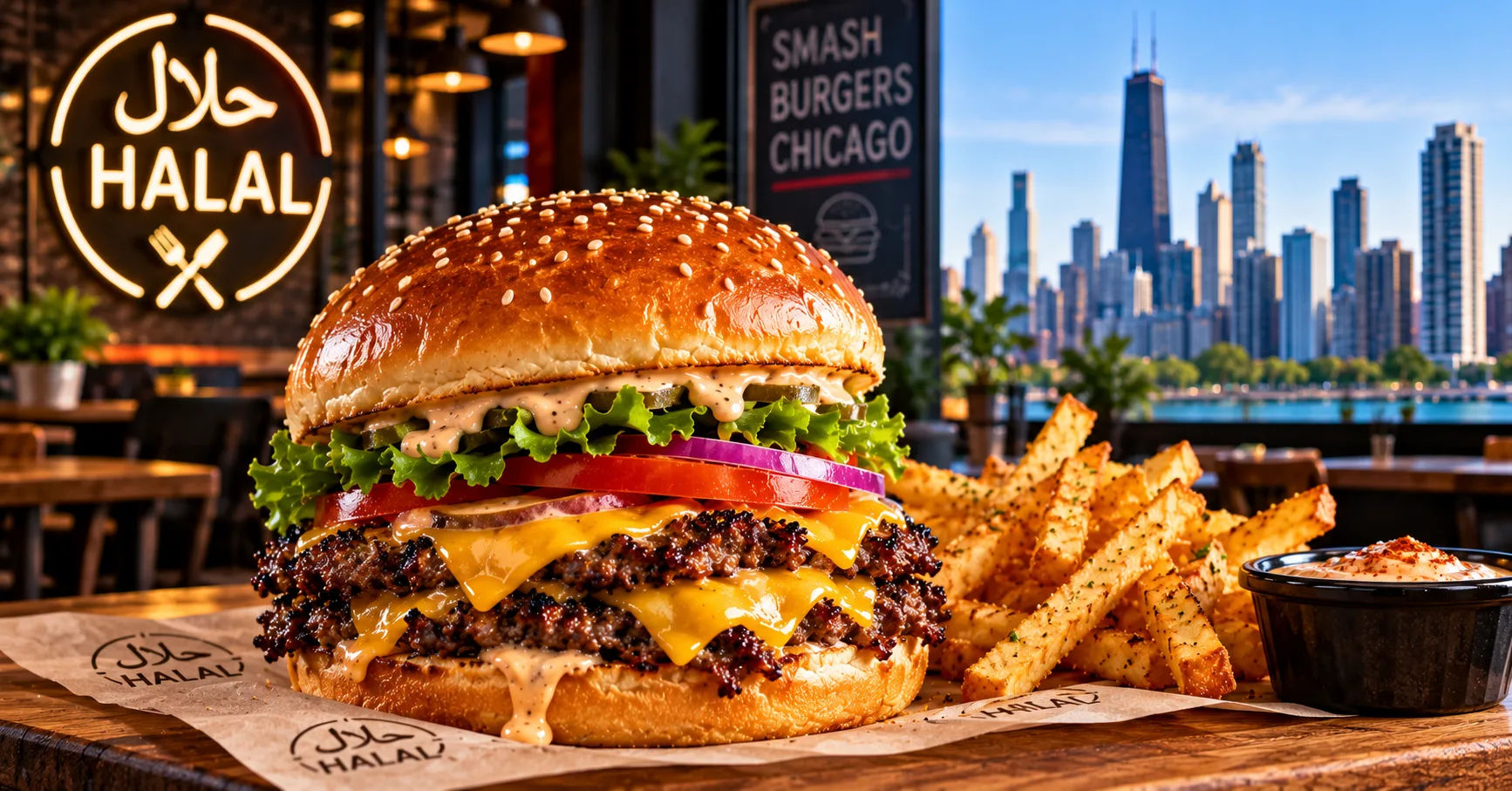
The secret behind Fresh Smash Burgers lies in several factors working together, including the quality of the ground beef, its fat content, the temperature of the cooking surface, and the timing of each step. Freshness matters, too, because properly handled, good-quality meat provides the foundation for a satisfying burger. However, juiciness does not happen automatically. The way the meat is shaped, smashed, cooked, and served makes a significant difference.
Understanding these factors helps home cooks and burger enthusiasts produce better results without relying on complicated recipes or expensive equipment. Whether you prepare burgers in a home kitchen or enjoy them at a restaurant, learning why smash burgers stay juicy will help you appreciate the cooking process and recognize what makes a well-prepared burger stand out.
What Makes a Smash Burger Different?
A Fresh Smash Burgers differs from a traditional burger mainly because of its shape and cooking method. Instead of forming a thick, even patty before cooking, the cook places a loose ball of ground beef on a hot, flat surface and presses it into a thin layer.
This technique increases the amount of meat touching the hot cooking surface. As a result, the beef develops a browned crust that adds a deep, savory flavor.
Traditional burgers often focus on maintaining a thicker center. Smash burgers, on the other hand, emphasize the contrast between crispy edges and a tender interior.
Their thin shape also means they cook relatively quickly. This can help limit the time the meat spends exposed to heat, provided the cook uses the correct temperature and avoids overcooking.
However, smash burgers are not automatically juicier than thick burgers. Their success depends on selecting suitable beef, controlling the cooking process, and serving them at the right time.
1. The Fat Content Helps Keep the Meat Juicy
One of the most important reasons smash burgers taste juicy is the fat naturally present in ground beef.
Why Fat Matters
Fat contributes flavor, richness, and a satisfying mouthfeel. As the burger cooks, some of this fat melts and spreads across the cooking surface and through the meat.
A moderate fat content helps prevent the finished patty from tasting dry or overly lean. Many burger cooks prefer ground beef containing approximately 20% fat, although the ideal ratio depends on personal preference and the type of beef being used.
Very lean beef can still make a good burger, but it may be less forgiving when cooked as a thin patty.
How Fat Affects Flavor
Fat carries many of the flavor compounds associated with beef. When the meat browns, the combination of rendered fat and the browned surface creates a rich, savory taste.
This is one reason a simple smash burger can taste delicious without requiring a complicated seasoning mixture.
Salt and black pepper are often enough to complement the natural flavor of the beef.
Does More Fat Always Mean Better Juiciness?
Not necessarily. Extremely fatty beef can release excessive grease, making the burger feel heavy and potentially causing flare-ups on some cooking equipment.
A balanced fat ratio is usually more useful than choosing the fattiest beef available.
The goal is to create a patty that tastes rich without becoming greasy.
2. The Smash Technique Creates a Flavorful Crust
The characteristic crust is one of the biggest reasons smash burgers are so appealing. It provides a texture that contrasts with the tender meat and soft bun.
What Happens When Beef Hits a Hot Surface?
When beef touches a sufficiently hot cooking surface, moisture near the exterior begins to evaporate. Once the surface becomes dry enough, browning can develop rapidly.
This browning involves the Maillard reaction, a chemical process between amino acids and reducing sugars that creates many of the appealing flavors and aromas associated with cooked meat.
Because a smashed patty has a broad, thin shape, a large portion of its surface can brown efficiently.
Why the Crust Improves the Eating Experience
The crust contributes a concentrated, savory flavor. Its crisp texture also makes the burger feel more substantial, even though the patty itself is thin.
However, a browned crust does not physically seal all the juices inside the meat. That is a common cooking myth.
Juiciness depends more on the meat's composition, the amount of moisture retained during cooking, and how thoroughly the patty is cooked.
The crust improves flavor and texture, while proper cooking helps prevent the interior from becoming unnecessarily dry.
Why the Timing of Smashing Matters
The beef should be smashed soon after it is placed on the hot surface. This allows the patty to spread while maximizing contact with the griddle.
Pressing it repeatedly later in the cooking process does not improve the crust. Instead, repeated pressure may force out more fat and liquid, reducing the burger's tenderness.
A firm initial press followed by undisturbed cooking is generally the better approach.
3. Fresh Ground Beef Provides Better Texture
The quality and condition of the beef influence how a smash burger tastes and feels. Freshly prepared, properly stored ground beef can provide a pleasant texture and a clean, rich flavor.
Why Freshness Matters
Ground beef has more exposed surface area than an intact piece of meat. This makes correct handling and refrigeration especially important.
Meat that has been stored appropriately and used within its recommended storage period is a better choice than meat that has been left at unsafe temperatures or kept for too long.
Freshness alone does not guarantee juiciness, though. The beef's fat content, grind, temperature, and cooking method also affect the final result.
The Importance of the Grind
The way beef is ground influences its texture. A suitable grind allows the meat to hold together during smashing without becoming excessively dense.
If the beef is compressed too firmly before cooking, the patty may become compact and chewy. Keeping the portions loose helps preserve a more tender texture.
Should the Beef Be at Room Temperature?
There is no need to leave ground beef sitting out for an extended period before cooking. Keep it refrigerated until you are ready to use it, then cook it promptly.
The hot cooking surface and proper technique matter more than bringing the meat to room temperature. Avoid leaving raw ground beef at room temperature for more than two hours, or one hour when the temperature is above 32°C (90°F).
4. Quick Cooking Helps Prevent Excessive Moisture Loss
Smash burgers are thin, which means heat can travel through the patty quickly. This short cooking time is one reason the technique works so well.
Thin Patties Cook Quickly
A thick burger requires more time for heat to reach its center. A thin patty cooks through much faster because the distance between its surface and center is smaller.
This can be an advantage when the cook wants a browned crust without exposing the meat to heat longer than necessary.
However, thinness alone does not guarantee juiciness. A thin patty can dry out if it is left on the griddle for too long or cooked at an unsuitable temperature.
Avoid Overcooking
As meat cooks, its proteins change structure and contract. This can push moisture out of the muscle structure, making the meat feel firmer and less juicy.
Overcooking increases this effect. Therefore, paying attention to the patty's thickness, cooking conditions, and internal temperature is important.
Ground beef should reach an internal temperature of 71°C (160°F) for food safety. Use a food thermometer rather than relying on color or appearance.
Balance Heat and Cooking Time
A hot griddle helps brown the exterior efficiently. Yet excessively high heat can burn the outside before the patty cooks properly, particularly if the surface temperature is poorly controlled.
The best approach is to use a sufficiently hot cooking surface, watch the crust develop, flip at the appropriate time, and avoid leaving the patty on the heat unnecessarily.
5. The Right Cooking Equipment Makes a Difference
The pan or griddle can influence how effectively a smash burger browns.
Heavy Pans Retain Heat
Cast-iron skillets and heavy flat griddles are popular because they retain heat well. When cold meat touches the surface, the temperature drops somewhat. A heavy pan is often better able to maintain useful heat during this process.
This helps the patty brown rather than simply steam in the liquid released during cooking.
Flat Surfaces Encourage Even Contact
A flat cooking surface makes it easier to spread the beef into an even layer. Uneven contact can lead to patchy browning, with some sections becoming crisp while others remain pale.
A sturdy metal spatula or burger press also helps the cook apply even pressure during the initial smash.
Avoid Overcrowding
Adding too many patties at once can reduce the cooking surface's temperature. It can also make flipping difficult and increase the amount of liquid around the meat.
Cook in batches if necessary. Giving each patty enough space helps achieve better browning and more consistent results.
6. Why You Should Not Press the Patty Repeatedly
One of the most common mistakes when making smash burgers is continuing to press the meat after the initial smash.
The first press serves a specific purpose: it spreads the beef across the hot surface and establishes good contact.
Once the patty has spread, pressing it again is usually unnecessary. It may force additional fat and moisture out of the meat without making the crust significantly better.
Instead, allow the patty to cook undisturbed until the underside develops a deep brown crust. Then flip it carefully with a sturdy spatula.
This approach protects the browned surface and helps the burger retain a more pleasant texture.
The distinction is simple: smash once at the beginning, then let the heat do the work.
7. Seasoning and Salt Affect the Final Texture
Seasoning is another important part of making a flavorful burger.
Keep the Seasoning Simple
Freshly cooked beef has a naturally rich flavor. Salt and black pepper usually provide enough seasoning for a classic smash burger.
Garlic powder, onion powder, and other spices can be added, but excessive seasoning may cover up the flavor of the meat.
When Should You Add Salt?
Many smash burger cooks season the exposed side just after smashing the beef. This gives the surface flavor while keeping the preparation straightforward.
Salt affects meat proteins, so the timing and amount can influence texture. For simple smash burgers, it is generally practical to form loose portions, smash them, and season shortly before or during cooking rather than mixing large amounts of salt into the beef well in advance.
Use enough salt to enhance the beef without making the burger overly salty.
8. Cheese and Toppings Improve the Perception of Juiciness
Although toppings do not necessarily increase the amount of moisture retained inside the meat, they can make the overall burger taste richer, softer, and more balanced.
Melted Cheese Adds Creaminess
Cheese softens over the hot patty and adds fat, salt, and a creamy texture. This can make each bite feel richer and more satisfying.
American-style cheese melts smoothly, while cheddar creates a stronger flavor. The best option depends on the style of burger you prefer.
Fresh Vegetables Provide Contrast
Lettuce, tomatoes, onions, and pickles add different textures and flavors.
Tomatoes contribute moisture, while lettuce adds crunch. Pickles provide acidity that balances the richness of the beef and cheese.
These contrasts help prevent the burger from feeling too heavy.
Sauce Brings the Ingredients Together
Mayonnaise-based sauces can make a burger feel creamier, while mustard and pickles provide a sharper flavor.
Use sauces in moderation. Too much liquid can soften the bun and overpower the meat, making the burger messy rather than enjoyable.
9. Serving Freshly Cooked Burgers Preserves Their Quality
Even a well-cooked burger can lose some of its appeal if it sits for too long before serving.
Serve Immediately
Once the patty is cooked and the cheese has melted, assemble the burger and serve it promptly.
The crust gradually softens as steam and moisture move through the meat and bun. Serving the burger quickly helps preserve the contrast between crisp edges and soft bread.
Toast the Buns
Lightly toasted buns provide structure and add a pleasant roasted flavor. The toasted surface can also slow the absorption of juices and sauce, although it will not prevent sogginess indefinitely.
Avoid Long Holding Times
Leaving cooked patties on a hot surface for an extended period can dry them out. If you are preparing several burgers, work in manageable batches so the patties can be assembled near serving time.
If cooked burgers must be held, keep them at a safe temperature and avoid prolonged exposure to heat that compromises their texture.
Common Mistakes That Make Smash Burgers Dry
Understanding what causes dryness is just as important as knowing what creates juiciness. Several small mistakes can affect the final result.
Choosing Beef That Is Too Lean
Very lean beef may lack the fat needed for a rich texture. If you prefer lean meat, pay particular attention to cooking time and avoid leaving the thin patty on the griddle longer than necessary.
Using a Cold Pan
A pan that has not heated sufficiently may cause the beef to release liquid before a good crust develops. Preheat the cooking surface properly to encourage browning.
Smashing Too Late
If you wait until the beef has already started cooking before pressing it, the patty may not spread as evenly. Smash the beef promptly after placing it on the hot surface.
Pressing the Meat Repeatedly
Repeated pressure can squeeze out more liquid and fat. One firm initial press is generally enough.
Cooking Without Checking Temperature
A thin patty can cook quickly, so it is easy to overestimate or underestimate how long it needs. Use a food thermometer to confirm that the ground beef reaches 71°C (160°F).
How to Make Juicy Smash Burgers at Home
If you want to put these principles into practice, the following method offers a simple starting point.
-
Choose suitable beef. Use fresh, properly refrigerated ground beef with approximately 20% fat.
-
Form loose portions. Divide the beef into small balls without tightly packing it.
-
Preheat the griddle. Make sure the cooking surface is hot enough to encourage browning.
-
Smash immediately. Press each beef ball into a thin patty as soon as it touches the surface.
-
Season simply. Add salt and black pepper.
-
Allow the crust to form. Avoid moving or pressing the patty unnecessarily.
-
Flip carefully. Preserve the browned surface and cook the other side.
-
Check food safety. Confirm that the center reaches 71°C (160°F).
-
Add cheese and toast the buns. Prepare these while finishing the patties, taking care not to overcook the meat.
-
Assemble and serve. Add suitable sauces, vegetables, and pickles, then enjoy the burger promptly.
These steps create a reliable foundation. Once you understand the technique, you can adjust the toppings and seasonings to suit your taste.
Conclusion
Fresh Smash Burgers stay juicy and flavorful when the right ingredients are combined with careful cooking. The most important factors include the fat content of the beef, the freshness and proper handling of the meat, a sufficiently hot cooking surface, and avoiding unnecessary cooking time.
The smashing technique helps create a broad surface that develops a rich, browned crust. This crust contributes much of the burger's distinctive flavor, while the beef's fat content and the cooking process influence its tenderness and moisture. Quick cooking can help prevent excessive moisture loss, but only when the patty is cooked properly and not left on the heat for too long.
The choice of equipment also matters. A heavy skillet or flat griddle maintains heat effectively, while a sturdy spatula helps spread the meat evenly. Pressing the patty once at the beginning, allowing the crust to develop, and flipping it carefully are simple techniques that can improve the final result.
Cheese, fresh vegetables, pickles, sauces, and toasted buns complete the experience. These ingredients add creaminess, acidity, texture, and flavor, making the burger more balanced and enjoyable. However, they cannot compensate for beef that has been overcooked or handled incorrectly.
Ultimately, the secret to juicy Fresh Smash Burgers is not a single ingredient or special trick. It is the combination of good-quality beef, suitable fat content, effective browning, controlled cooking, and timely serving. With these principles in mind, you can prepare delicious smash burgers at home that have crispy edges, rich beef flavor, and a tender bite.